

Cart
0
The moment good news arrives in an Indian household, one sentence follows almost instantly, we say: “Muh meetha karo.” Whether it is a wedding announcement, a new job, exam results, a festival, or the birth of a child, celebrations in India begin with something sweet. And at the centre of these moments lies mithai, a timeless symbol of happiness, love, and togetherness.
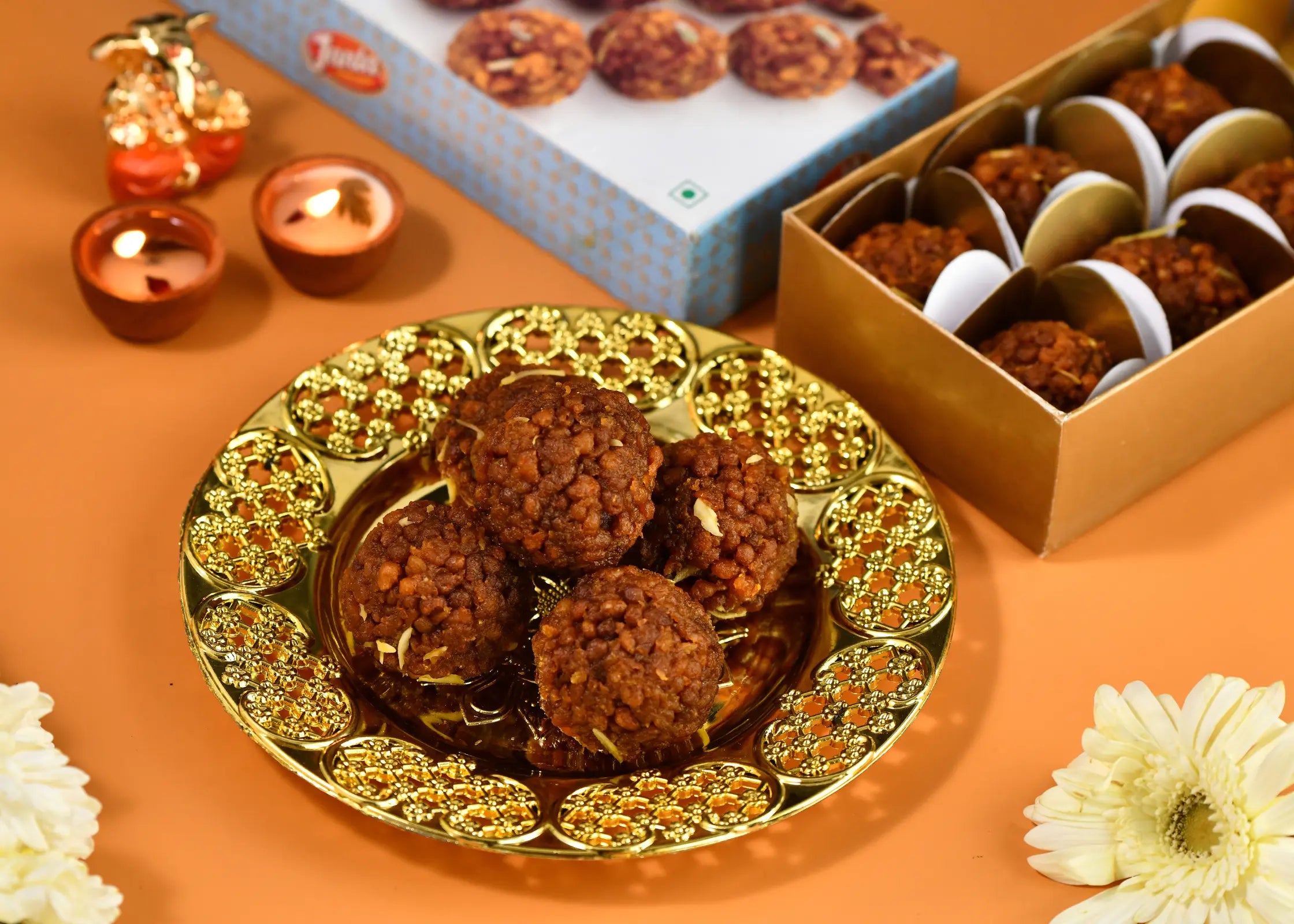
In India, mithai is not just a dessert. It is emotion wrapped in every way possible, tradition shaped by generations, and culture served on every festive plate. From the aroma of freshly made laddoos during Diwali to the joy of distributing rasgullas after personal achievements, sweets have become an inseparable part of Indian life.
But have you ever wondered why mithai holds such a deep emotional place in Indian celebrations?
Let’s explore the sweet story behind this beloved tradition.
Mithai and Emotional Memories
In every Indian household, mithai is far more than just a dessert; it is an emotion wrapped in sugar, tradition, and memories. Long before modern cakes and chocolates became popular, Indian families celebrated life’s happiest moments with a box of sweets shared among loved ones.
Almost every family has its own sweet tradition. Some remember sitting beside their grandmother while she rolled besan laddoos by hand, while others recall helping their mothers decorate homemade barfi during festive preparations. These recipes are not simply food instructions; they are family heirlooms passed lovingly from one generation to another.
Across different regions, religions, and communities in India, sweets are considered a symbol of joy and success. Whether it is a small family gathering or a grand celebration, offering mithai is often the first ritual people follow. It reflects warmth, goodwill, and the desire to share happiness with others.
This is why sweets are traditionally exchanged and served during:
-
Festivals
-
Religious ceremonies
-
Weddings and engagements
-
Housewarming celebrations
-
Business inaugurations
-
Birthdays and anniversaries
-
Naming ceremonies and family milestones
-
Academic and professional achievements
From Diwali and Holi to Eid, Raksha Bandhan, and Ganesh Chaturthi, every Indian festival feels incomplete without traditional sweets. Families prepare or purchase mithai not only for themselves but also to distribute among relatives, neighbours, friends, and colleagues. Sharing sweets during celebrations strengthens emotional bonds and creates a sense of togetherness within communities.
Similarly, weddings in India revolve heavily around mithai traditions. From engagement ceremonies to wedding feasts, sweets symbolise blessings for a happy and prosperous married life. Boxes of premium mithai are exchanged between families as a gesture of respect, love, and celebration. In many households, guests are welcomed with sweets before any meal or ritual begins.
Ultimately, mithai is not just food in Indian culture; it is a timeless expression of joy, gratitude, and togetherness that keeps traditions alive across generations.
The Modern Evolution of Mithai
Indian mithai has always been deeply connected to tradition, celebrations, and emotions. However, as lifestyles, food preferences, and consumer expectations continue to evolve, the world of mithai has also transformed beautifully with time. Today’s sweet industry perfectly blends heritage with innovation, offering modern variations that appeal to health-conscious consumers, younger audiences, and premium gifting markets alike.
From healthier ingredients to luxury packaging, modern mithai is redefining how India celebrates sweetness while preserving its cultural essence.
1. Sugar-Free Sweets: Healthier Indulgence Without Compromise
With increasing awareness around health and wellness, sugar-free sweets have become one of the biggest trends in the mithai industry. Many consumers today are looking for desserts that allow them to enjoy festive moments without excessive sugar intake.
Traditional Indian sweets are now being prepared using natural sweeteners like stevia, dates, jaggery, and sugar substitutes. Popular mithai options such as laddoos, barfis, kaju katli, and rasgullas are available in healthier versions that cater to diabetic individuals and fitness-conscious consumers.
The demand for sugar-free mithai especially rises during festivals like Diwali and Raksha Bandhan, when families want to celebrate without compromising their dietary goals. This modern adaptation has helped mithai remain relevant among consumers who prioritise balanced lifestyles.
2. Vegan Mithai: A New-Age Twist on Tradition
The rise of plant-based eating has also influenced the mithai industry significantly. Vegan mithai is becoming increasingly popular among consumers who avoid dairy products due to lifestyle choices, lactose intolerance, or environmental concerns.
Traditional ingredients like milk, ghee, and khoya are being replaced with almond milk, coconut milk, oat milk, and plant-based alternatives. Despite these changes, the authentic taste and richness of Indian sweets are carefully preserved.
Vegan versions of coconut barfi, dry fruit laddoos, halwa, and peda are gaining popularity in urban markets and among younger audiences. This shift reflects how mithai brands are adapting to global food trends while keeping Indian traditions alive.
Vegan mithai also appeals to international consumers who wish to explore Indian desserts in a way that aligns with their dietary preferences. As a result, Indian sweets are expanding their reach far beyond traditional markets.
3. Dry Fruit-Based Desserts: The Perfect Blend of Taste and Nutrition
Dry fruit mithai has become a preferred choice for modern consumers seeking both flavour and nutrition. Unlike heavily sugar-loaded sweets, dry fruit desserts offer a richer ingredient profile while maintaining the luxurious feel associated with festive indulgence.
Sweets made from almonds, pistachios, cashews, figs, dates, and walnuts are now widely popular during weddings, festivals, and corporate gifting occasions. These desserts not only taste premium but are also considered more wholesome and energy-rich.
Dry fruit laddoos, anjeer barfi, pista rolls, and date bites are especially popular among health-conscious buyers. Since these sweets often contain natural sweetness from dates and nuts, they are viewed as healthier alternatives to conventional mithai.
Additionally, dry fruit sweets have become synonymous with luxury gifting because of their elegant appearance, premium ingredients, and longer shelf life.
4. Chocolate Fusion Sweets: Where Tradition Meets Creativity
One of the most exciting developments in the mithai industry is the rise of chocolate fusion desserts. Younger generations are increasingly drawn toward innovative flavours that combine traditional Indian sweets with global dessert trends.
Today, mithai shops are experimenting with chocolate barfi, Nutella gujiyas, Oreo laddoos, brownie-inspired sweets, and chocolate-coated dry fruits. These fusion creations offer familiarity and novelty at the same time.
Chocolate modaks during Ganesh Chaturthi and chocolate rasmalai desserts are examples of how traditional recipes are being reinvented for modern audiences. Such innovations make mithai more appealing to children, teenagers, and younger consumers who enjoy contemporary dessert experiences.
Fusion sweets also perform exceptionally well on social media platforms due to their visually appealing presentation and unique flavour combinations. This has helped mithai brands attract digital audiences and strengthen their online presence.
5. Premium Festive Hampers: Redefining Mithai Gifting
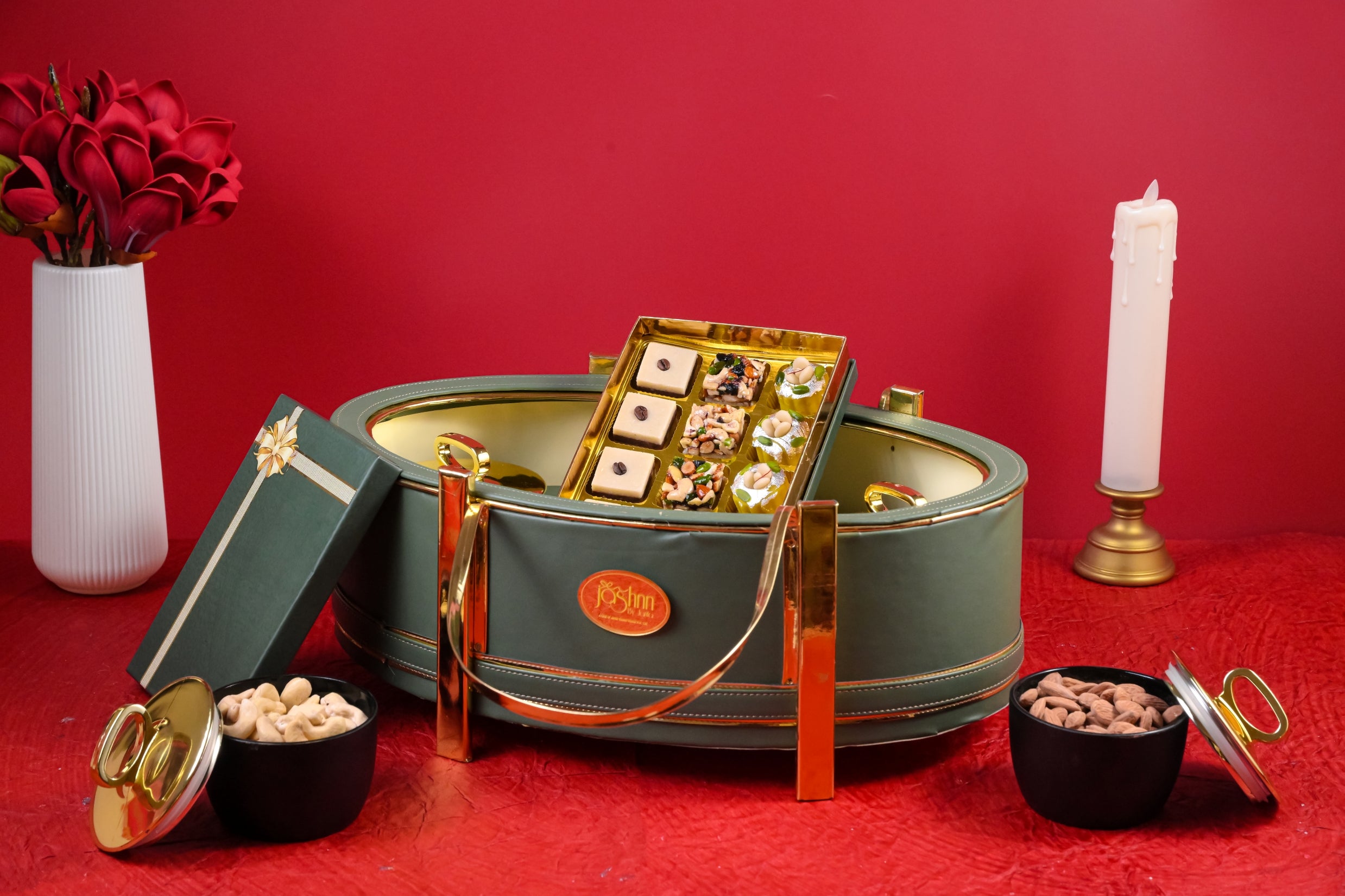
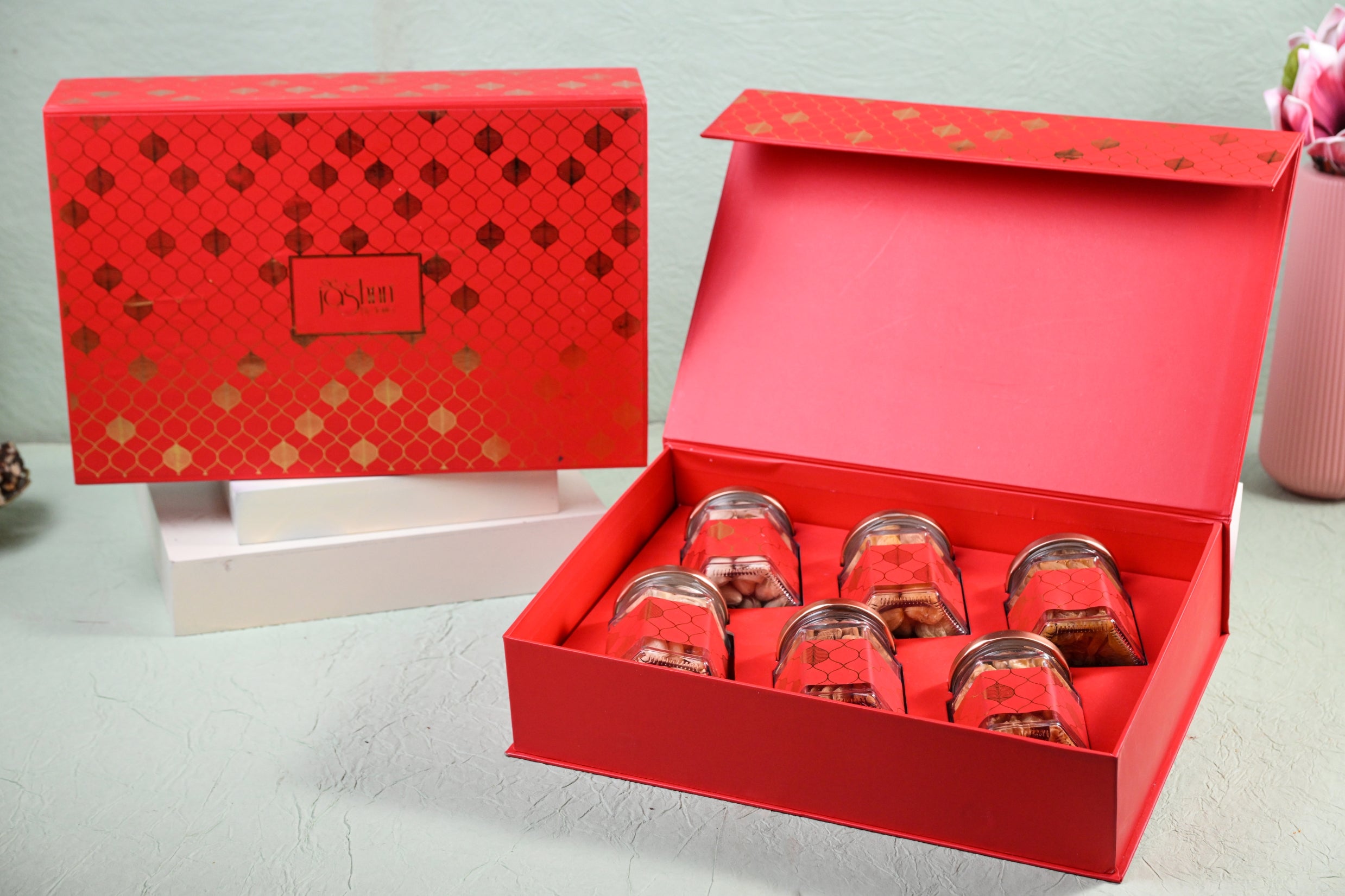
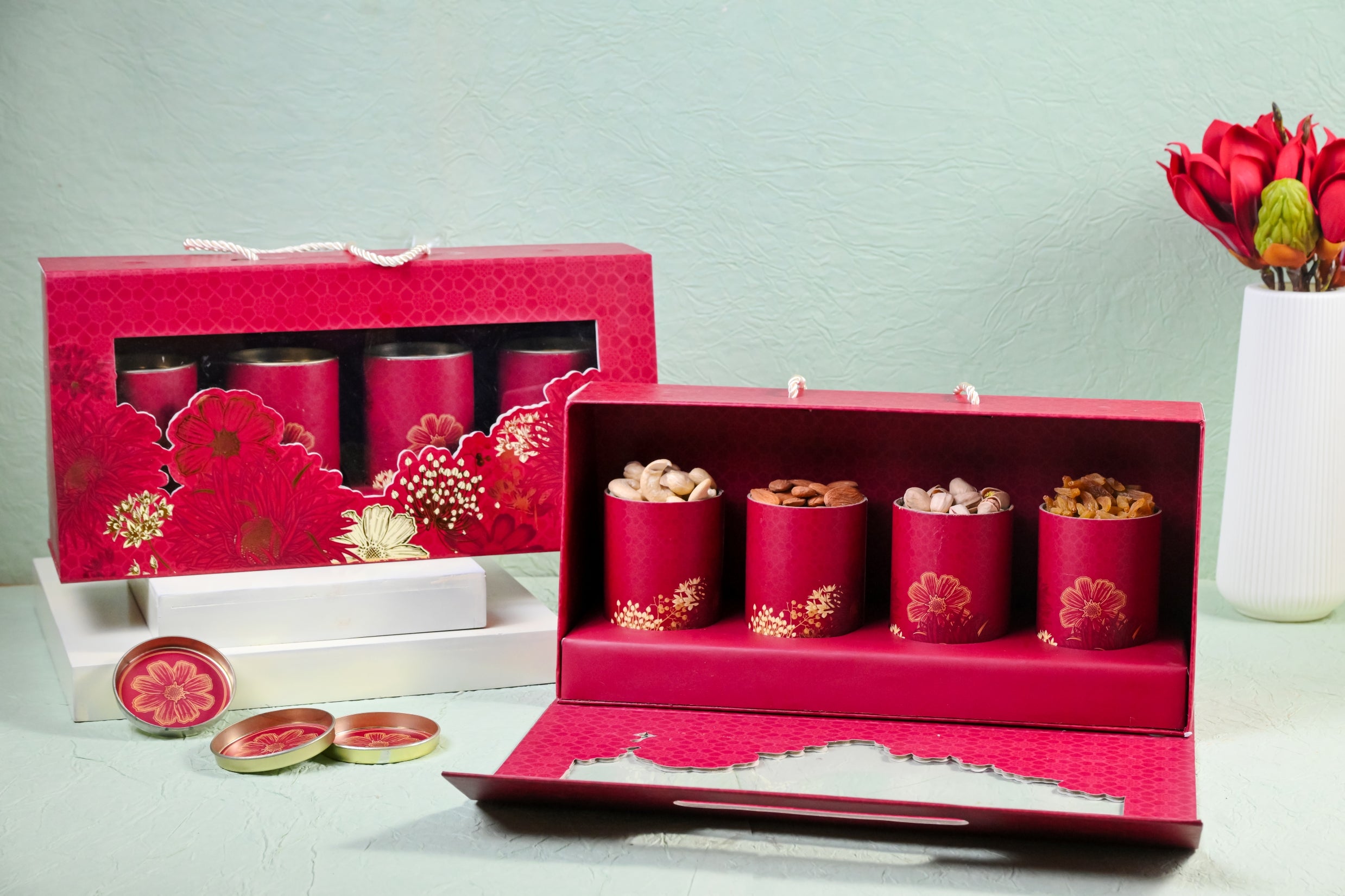
Mithai gifting has evolved from simple sweet boxes to luxurious festive hampers that offer a complete celebration experience. Modern consumers now seek beautifully curated gifting options that reflect sophistication, personalisation, and premium quality.
Today’s festive hampers often include handcrafted sweets, dry fruits, chocolates, scented candles, personalised notes, decorative trays, and elegant packaging. The focus is no longer only on taste but also on presentation and emotional experience.
Premium mithai hampers have become extremely popular during Diwali, weddings, corporate events, and festive celebrations. Brands are investing heavily in creative packaging designs that are visually attractive and Instagram-worthy.
Luxury gifting has elevated the perception of mithai from a traditional sweet to a premium lifestyle product. However, despite the modern presentation, the emotional significance of sharing sweets during celebrations remains deeply rooted in Indian culture.
6. Tradition and Innovation Coexisting Beautifully
The evolution of mithai reflects how Indian traditions continue to adapt with changing times. Whether it is sugar-free sweets for health-conscious consumers or fusion desserts for younger generations, mithai continues to hold a special place in every celebration.
Modern innovations have expanded the appeal of Indian sweets, but the core emotion behind mithai remains unchanged, spreading happiness, love, and togetherness through sweetness.
Conclusion
Mithai is far more than an Indian dessert. It is a symbol of joy, blessings, hospitality, and emotional connection woven into the fabric of Indian culture.
From festive gatherings and weddings to everyday victories and family traditions, sweets continue to play an important role in bringing people together.
Every bite of mithai carries warmth, nostalgia, and celebration, reminding us that happiness is best shared with sweetness.
And perhaps that is why, no matter how modern the world becomes, mithai will always remain the true heart of every Indian celebration.
Frequently Asked Questions – FAQs
1. Why is mithai important in Indian celebrations?
Mithai symbolises happiness, prosperity, and good fortune in Indian culture. It is traditionally shared during festivals, weddings, and special occasions to spread joy and blessings.
2. Why do Indians say “Muh meetha karo”?
“Muh meetha karo” means “have something sweet.” It is a cultural expression used to celebrate good news, achievements, and auspicious beginnings.
3. Which festivals are closely connected with mithai?
Festivals like Diwali, Holi, Raksha Bandhan, Eid, and Ganesh Chaturthi are deeply associated with traditional Indian sweets and festive food traditions.
4. Why does mithai create emotional memories?
Mithai is often linked with childhood experiences, family gatherings, homemade recipes, and festive celebrations, creating strong emotional and nostalgic connections.
5. Is traditional mithai evolving today?
Yes, modern mithai now includes sugar-free, vegan, chocolate-infused, and premium gifting options while still preserving traditional flavours and cultural significance.


