

Cart
0
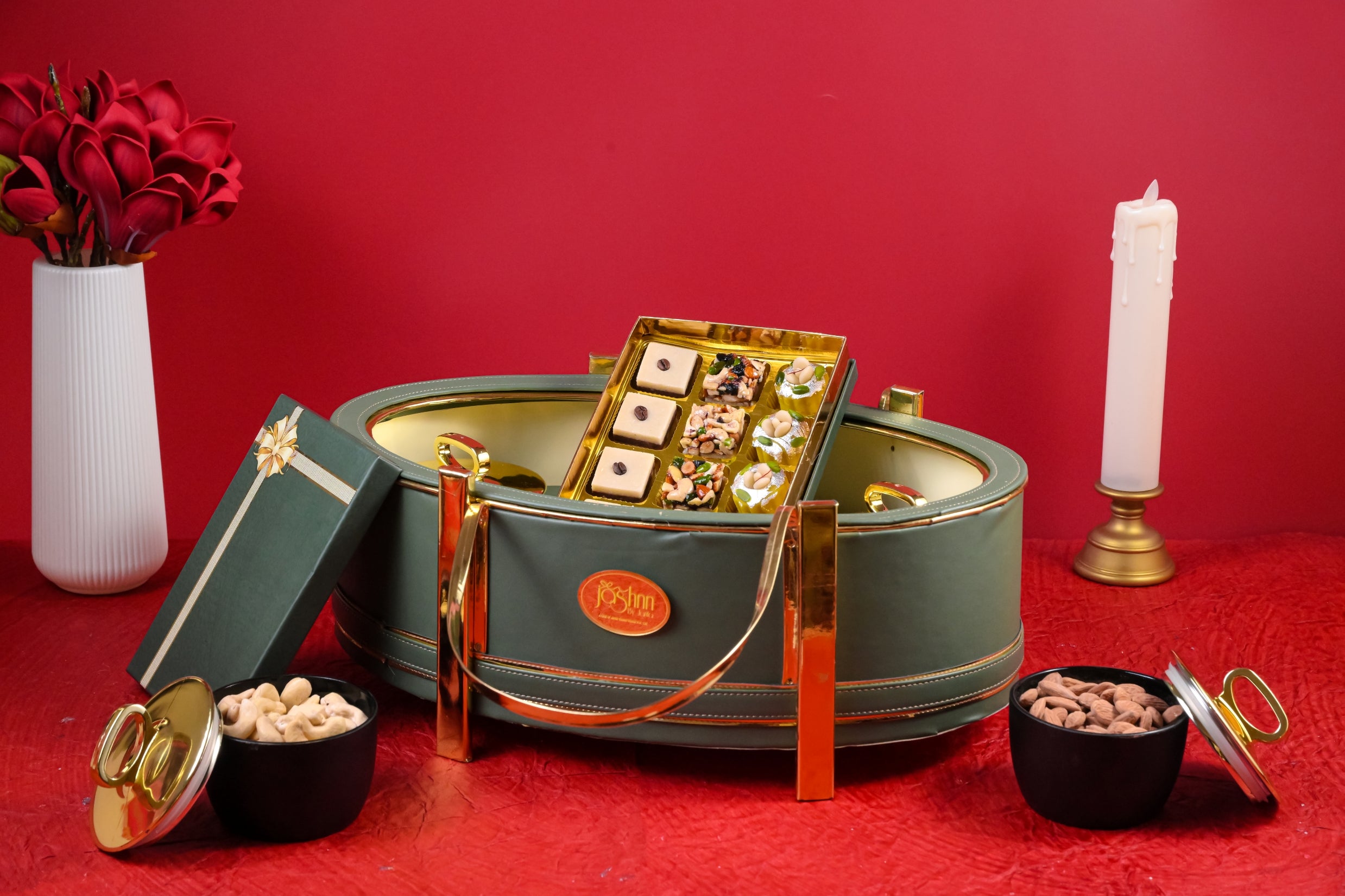
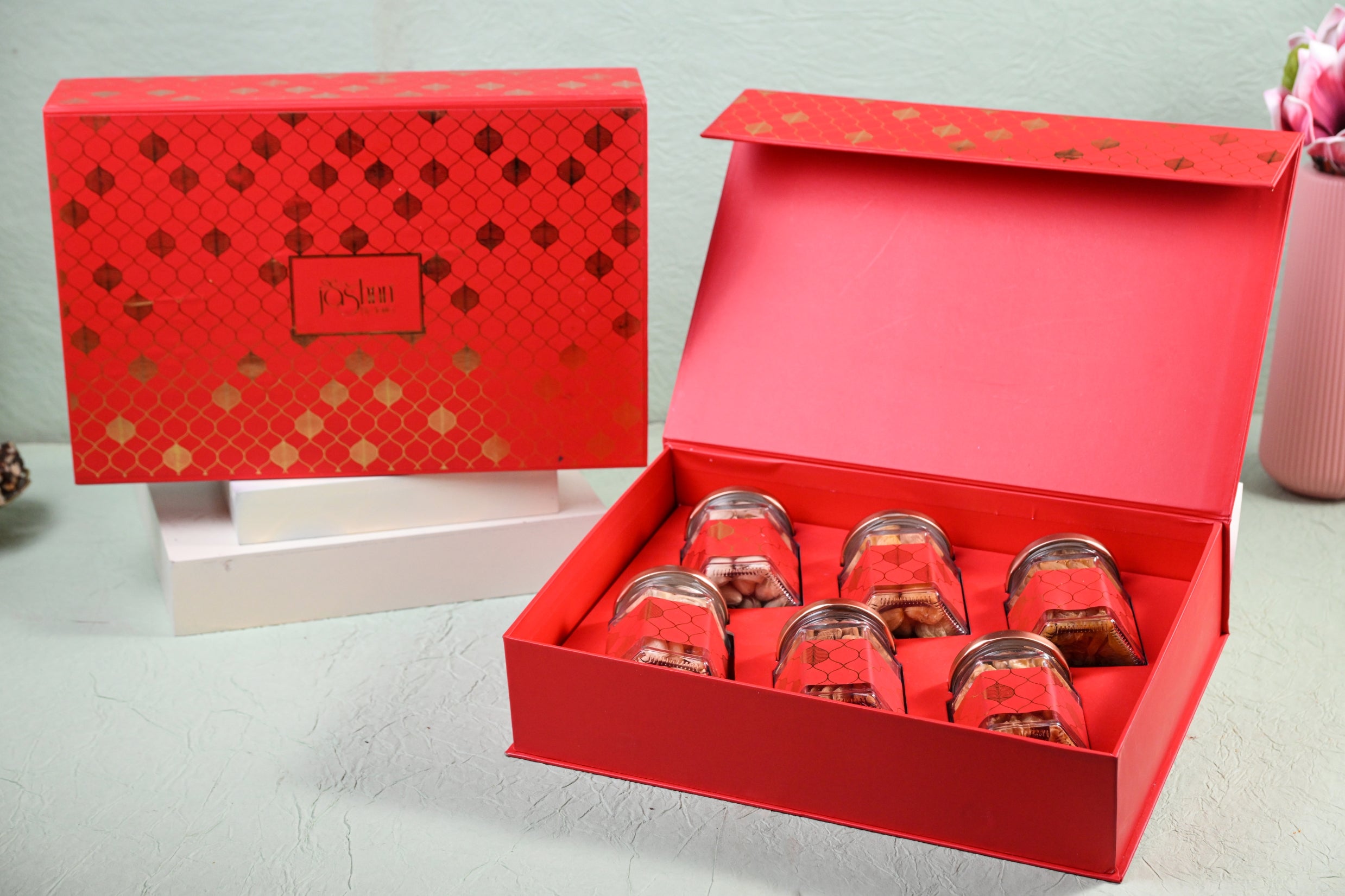
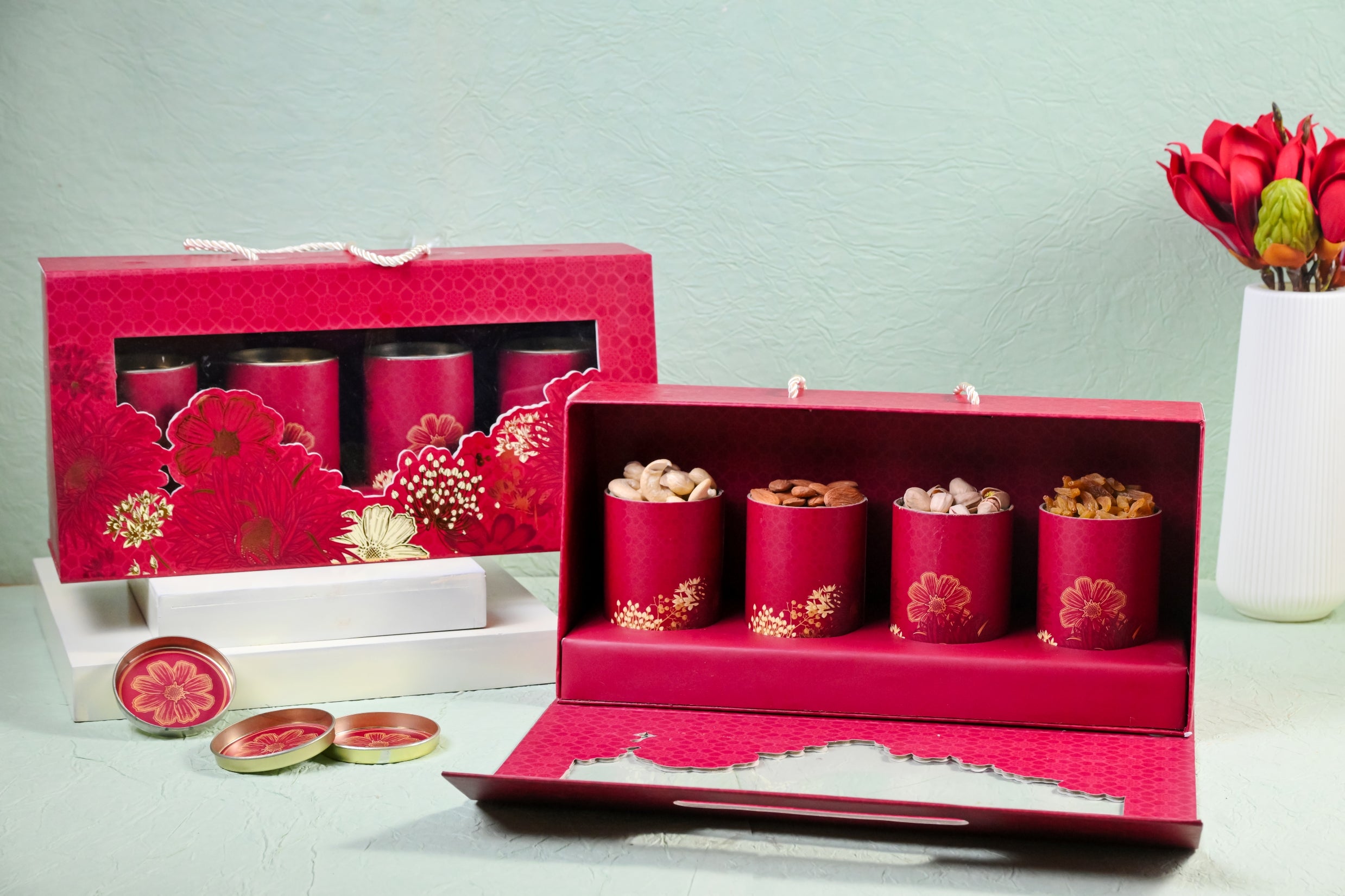
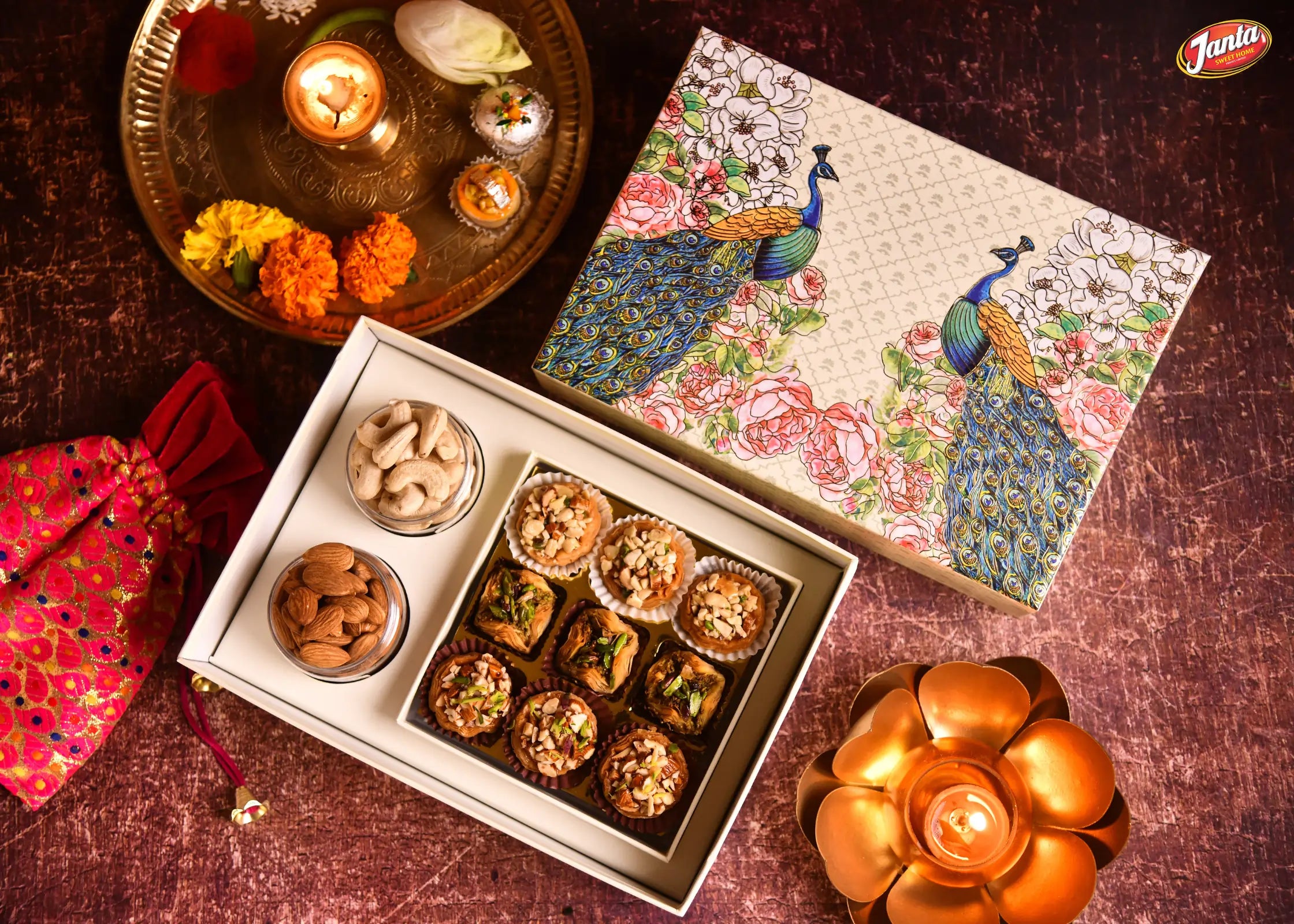
India’s love affair with sweets is centuries old. From royal feasts served in grand palaces to festive gatherings in family homes, mithai has always been more than just dessert. It is a symbol of celebration, warmth, and togetherness. Across Rajasthan, where hospitality is deeply rooted in culture, offering sweets to guests is considered a gesture of honour and affection.
Even today, the aroma of freshly roasted besan in pure desi ghee or the delicate fragrance of saffron simmering in milk instantly evokes memories of festivals, weddings, and cherished family traditions. In a world increasingly driven by convenience, the demand for authentic Indian sweets continues to grow because people still long for flavours that carry heritage, craftsmanship, and nostalgia.
Behind every piece of traditional mithai lies a story shaped by history, artisanal skill, and timeless recipes passed down through generations.
The Rich History of Indian Mithai
The history of Indian sweets dates back thousands of years. Ancient Indian scriptures mention preparations made from jaggery, milk, rice, and honey long before refined sugar became common. Temples across India offered sweet delicacies as prasad, reinforcing the spiritual and cultural significance of mithai in everyday life.
Over time, regional influences transformed India’s sweet-making traditions. Rajasthan, known for its royal heritage and desert climate, developed sweets that were rich, nourishing, and long-lasting. Ingredients such as ghee, gram flour, dry fruits, and khoya became essential because they could withstand warmer temperatures while providing indulgent flavour.
Royal Rajput kitchens elevated mithai into an art form. Delicacies like Ghewar, Moong Dal Halwa, and Mawa Kachori became synonymous with celebration and grandeur. These sweets were carefully handcrafted for festivals, royal ceremonies, and religious occasions, often prepared using recipes protected within families for generations.
As trade routes expanded, ingredients such as saffron, pistachios, and cardamom were introduced into Indian kitchens, enriching the diversity of authentic Indian sweets. Despite changing times, the emotional connection people have with traditional mithai remains unchanged.
The Traditional Mithai Making Process
At Janta Sweet Home, mithai is not simply made but curated through generations of expertise, trusted recipes, and an unwavering commitment to quality. What sets our sweets apart is the attention to detail at every stage of preparation, ensuring every bite delivers the taste people have trusted for years.
1. Handpicked Ingredients, No Compromises
Every sweet begins with carefully selected ingredients. From pure desi ghee and fresh khoya to premium dry fruits, saffron, cardamom, and gram flour, only ingredients that meet our quality standards make their way into our kitchens.
2. Slow-Cooked for Authentic Flavour
At Janta Sweet Home, we believe great mithai cannot be rushed. Besan, flour, and other ingredients are patiently roasted in pure ghee to develop the rich aroma, golden colour, and depth of flavour that define traditional Indian sweets.
3. Expertise Passed Through Generations
Our skilled halwais bring years of experience to every batch. Whether it's shaping laddoos, preparing barfis, or perfecting festive specialities, traditional techniques ensure consistency, texture, and taste remain true to our heritage.
4. The Perfect Sugar Syrup Balance
The secret behind many classic sweets lies in the sugar syrup. Our craftsmen carefully monitor temperature and timing to achieve the precise consistency required for each recipe, ensuring the ideal texture and sweetness.
5. Freshly Prepared Every Day
Freshness remains at the heart of everything we do. Many of our sweets are prepared daily in controlled batches, allowing us to maintain the purity, flavour, and quality that customers associate with Janta Sweet Home.
The Legacy of Janta Sweet Home
For generations, Janta Sweet Home has remained committed to preserving the authenticity of traditional Indian mithai. Rooted in heritage and craftsmanship, the brand continues to honour age-old recipes while maintaining high standards of quality and preparation.
Every sweet reflects the values of Rajasthan’s rich culinary culture, including warmth, hospitality, and attention to detail. From selecting premium ingredients to following traditional preparation methods, the focus remains on delivering flavours that feel nostalgic and timeless.
What makes Janta Sweet Home stand apart is its dedication to preserving the true essence of mithai making. Rather than relying solely on modern production techniques, the brand continues to embrace artisanal craftsmanship that celebrates India’s sweet-making traditions.
Whether shared during Diwali celebrations, weddings, or everyday moments of joy, these sweets carry forward a legacy of authenticity and trust.
Keeping Tradition Alive in a Modern World
As lifestyles evolve, the importance of preserving culinary heritage becomes even greater. Authentic Indian sweets represent more than flavour. They reflect culture, memories, and generations of craftsmanship.
In Rajasthan, mithai remains woven into everyday life. No festival feels complete without a box of handcrafted sweets, and no celebration begins without something sweet being shared amongst loved ones.
The traditional mithai-making process reminds us that some things are worth preserving slowly and carefully. In every bite of authentic mithai lies the story of India’s culinary heritage, a story of patience, artistry, and timeless tradition.
Conclusion
Experience the true essence of Indian mithai with handcrafted sweets made using time-honoured techniques and the finest ingredients at Janta Sweet Home. Rooted in Rajasthan’s rich culinary heritage, every delicacy reflects a perfect balance of tradition, authenticity and flavour. From festive celebrations to everyday indulgences, our sweets are thoughtfully prepared to bring warmth and joy to every occasion. With a commitment to quality and artisanal craftsmanship, Janta Sweet Home continues to preserve the timeless traditions of Indian sweet-making while creating memorable experiences for every generation. Celebrate life’s special moments with flavours inspired by culture, heritage and the unmatched taste of authentic Indian sweets.
Frequently Asked Questions – FAQs
1. What makes authentic Indian sweets different from regular sweets?
Authentic Indian sweets are prepared using traditional recipes, premium ingredients, and time-honoured cooking methods passed down through generations. Unlike mass-produced sweets, they are often handmade in smaller batches using pure desi ghee, fresh khoya, natural flavourings, and carefully selected dry fruits. This traditional approach enhances the flavour, texture, and overall quality of the mithai while preserving its cultural authenticity.
2. Why is the traditional mithai-making process important?
The traditional mithai-making process focuses on slow cooking, careful roasting, and handcrafted preparation techniques that develop rich flavours and textures naturally. Skilled halwais follow precise methods for preparing sugar syrup, roasting ingredients, and shaping sweets by hand. These artisanal techniques help maintain the originality and heritage of authentic Indian sweets.
3. Why are quality ingredients essential in mithai?
Quality ingredients play a major role in the taste, freshness, and authenticity of mithai. Pure desi ghee, saffron, cardamom, fresh milk, and premium dry fruits create richer flavours and better texture while ensuring a more authentic sweet experience.


