

Cart
0

Sweet shops have long been more than places to satisfy a craving. Across cultures and communities, they serve as living archives of local traditions, preserving recipes, techniques, and flavours that might otherwise disappear with time. While modern food culture often prioritises convenience and year-round availability, traditional sweet shops continue to honour a slower and more seasonal approach to eating.
Seasonal food heritage refers to culinary practices shaped by changing weather, harvest cycles, festivals, and regional ingredients. Before refrigeration and global supply chains became commonplace, communities naturally adapted their cooking to what was available at different times of the year. Sweets were developed in the same way, using seasonal fruits, grains, dairy, nuts, and spices to create desserts connected to particular moments in the calendar.
Today, sweet shops remain among the strongest guardians of these traditions. Through seasonal menus, local sourcing, and age-old preparation methods, they help preserve food heritage for future generations.
Understanding Seasonal Food Heritage in India
Food heritage is often associated with savoury dishes, but sweets carry equally rich cultural meaning. Seasonal food heritage focuses on recipes and food customs that appear at specific times of year and reflect local agricultural rhythms.
Historically, sweets were rarely everyday indulgences. Many were linked to celebrations, harvest periods, or religious occasions. Their ingredients depended on what was fresh and accessible.
For example:
-
Winter sweets often featured warming ingredients such as jaggery, nuts, sesame and clarified butter.
-
Summer desserts relied on cooling elements, including seasonal fruit, milk and coconut.
-
Festival sweets reflected abundance and community celebration.
-
Harvest sweets showcased newly available grains and produce.
These recipes evolved over generations and became markers of identity and memory. The challenge today is keeping them relevant in an era where seasonal boundaries are increasingly blurred.
Janta Sweet Home as a Custodian of Culinary Tradition
Traditional sweet shops play a vital role in protecting seasonal food heritage by preserving both recipes and the stories attached to them.
-
Keeping Traditional Recipes Alive
Many sweet shops still follow methods passed down through families over decades—or even centuries. Rather than simplifying recipes for speed or scale, they maintain preparation techniques that define the character of seasonal sweets.
This includes:
-
Slow cooking and reduction methods
-
Hand shaping and traditional finishing
-
Small-batch production
-
Maintaining original ingredient combinations
Such practices preserve flavour authenticity and ensure traditional sweets retain their cultural significance. Maintaining such practices helps to protect culinary techniques that might otherwise be lost in an era of mass production of sweets.
When customers return each season expecting familiar flavours, they create demand that encourages these traditions to continue.
-
Passing Knowledge Between Generations
Food heritage survives through practice. Sweet makers often learn directly from previous generations, absorbing knowledge that may never appear in written recipes.
Small details matter:
-
The correct texture of reduced milk
-
The ideal roasting point for nuts
-
Balancing sweetness according to seasonal ingredients
-
Adjusting recipes for changing weather conditions
Sweet shops become informal classrooms where culinary heritage is continuously taught and refined.
Celebrating Seasonal Ingredients in India
One of the most important ways sweet shops preserve food heritage is by continuing to work with ingredients at their natural peak.
Seasonal ingredients offer benefits beyond flavour. They support local producers, encourage agricultural diversity, and maintain stronger connections between communities and regional food systems.
Examples of seasonal influence include:
Spring
Spring often introduces lighter desserts that celebrate fresh dairy and early seasonal produce.
Sweet makers may focus on:
-
Fresh milk preparations
-
Floral infusions
-
Softer textures
-
Delicate flavours
These sweets mirror the transition from colder months into a more vibrant season.
Summer
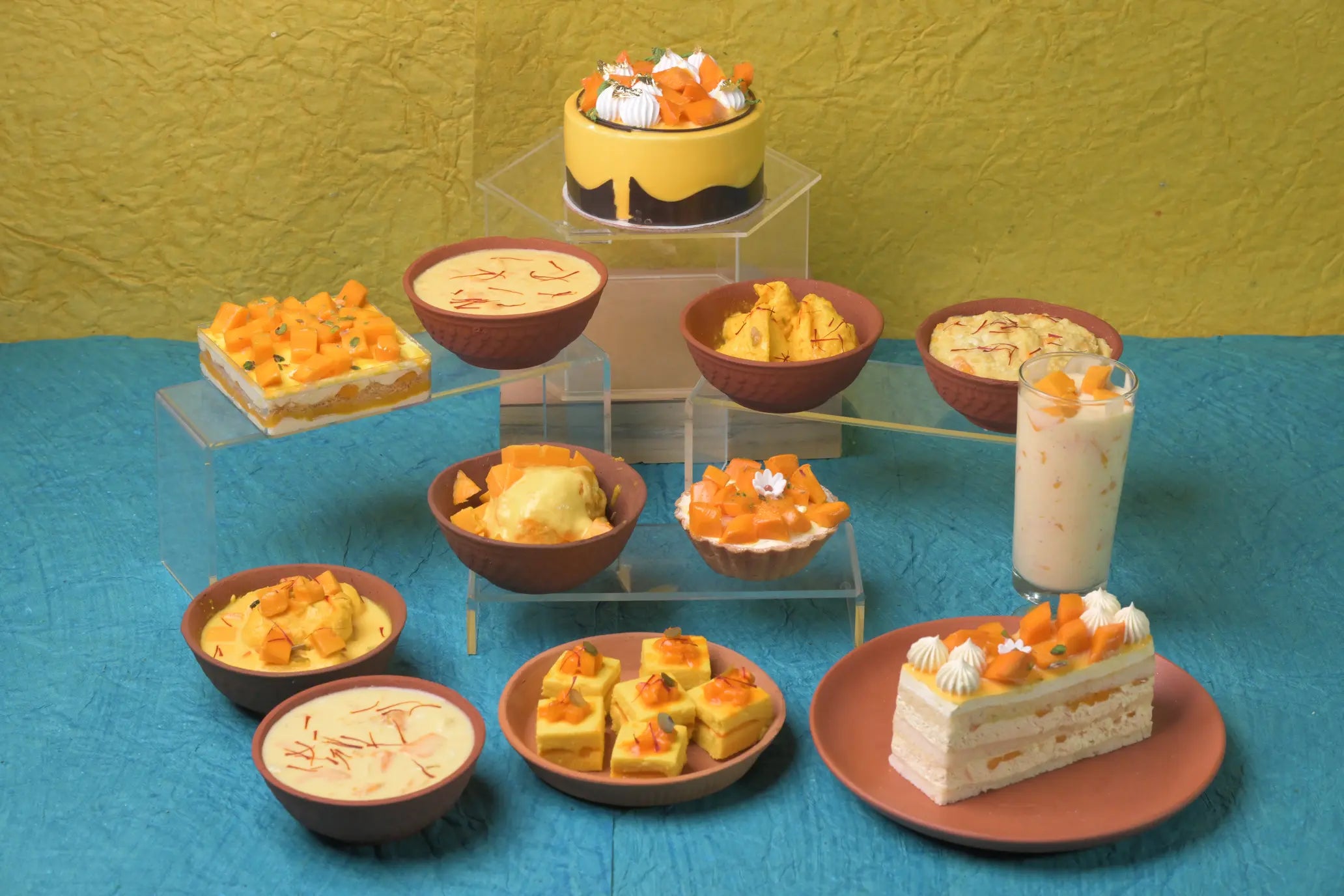
Summer sweets traditionally prioritise freshness and cooling qualities.
Common seasonal elements include:
-
Mango
-
Coconut
-
Seasonal berries
-
Chilled milk desserts
-
Fruit preserves
Sweet shops often release limited seasonal offerings that customers anticipate each year.
Monsoon
The rainy season frequently brings richer textures and festival-oriented desserts.
Seasonal ingredients may include:
-
Roasted grains
-
Coconut
-
Spiced syrups
-
Comfort-focused recipes
This period often strengthens emotional connections to traditional sweets.
Winter
Winter is perhaps the strongest example of seasonal food heritage.
Traditional winter sweets commonly feature:
-
Sesame
-
Nuts
-
Jaggery
-
Ghee
-
Dense milk-based preparations
These ingredients were developed not only for flavour but also for warmth and nourishment during colder weather.
Festivals and the Preservation of Seasonal Identity
Seasonal food heritage cannot be separated from festivals. Across many cultures, celebrations have historically determined when particular sweets are prepared and enjoyed.
Sweet shops help maintain these traditions by aligning production with seasonal calendars rather than offering identical products all year.
Festival sweets often carry symbolic meaning:
-
Prosperity
-
Gratitude for harvests
-
Family connection
-
Community identity
-
Seasonal transitions
When customers visit sweet shops during celebrations, they are participating in traditions that may have existed for generations.
These moments create continuity between the past and present.
Balancing Heritage with Modern Expectations
Preserving tradition does not mean resisting change entirely. Today’s consumers expect greater convenience, faster access, and flexible purchasing options, yet they still value authenticity and quality. For traditional sweet shops, the challenge lies in adapting to changing customer behaviour without compromising the heritage that makes their products meaningful. Many successful businesses achieve this by combining innovation with preservation.
Introducing Seasonal Limited Editions
-
Rather than altering established recipes, many sweet shops create seasonal limited-edition collections that celebrate traditional ingredients and cultural moments.
-
These exclusive offerings encourage excitement and anticipation while keeping heritage recipes at the centre of the brand.
-
Seasonal launches also give customers new reasons to return throughout the year while reinforcing the connection between sweets and seasonal traditions.
-
By offering carefully curated variations, sweet shops remain relevant without losing their identity.
Improving Accessibility
-
Modern consumers increasingly value convenience, and sweet shops are responding through improved packaging and digital accessibility.
-
Protective packaging techniques help maintain freshness while allowing traditional sweets to reach customers beyond local communities.
-
Online ordering and delivery services enable heritage products to become accessible to wider audiences, including younger generations and international buyers.
-
Importantly, these changes enhance availability without changing original recipes or production methods.
Educating Customers
-
Many sweet shops now invest in storytelling to strengthen customer appreciation and loyalty.
-
Sharing information about ingredient sourcing, seasonal relevance and traditional preparation methods helps consumers understand the cultural value behind each product.
-
Educational content transforms sweets from simple purchases into meaningful experiences rooted in history and craftsmanship.
Supporting Local Supply Chains
-
Continuing to source ingredients locally where possible supports regional farmers and preserves agricultural traditions.
-
This approach strengthens local economies while protecting the authenticity and quality associated with heritage sweets.
-
By maintaining these relationships, sweet makers ensure culinary traditions remain connected to their original communities.
This thoughtful balance between tradition and innovation allows seasonal food heritage to evolve naturally and remain culturally relevant rather than becoming purely nostalgic.
Looking Ahead!
Sweet shops continue to play an essential role in protecting seasonal food heritage. Through traditional recipes, seasonal ingredients, and connections to festivals and community life, they preserve more than desserts; they preserve stories, identities, and ways of living.
As food culture continues to evolve, these shops offer an important reminder that some experiences are worth waiting for.
Choosing seasonal sweets is not simply about enjoying something delicious. It is also a way of supporting traditions that have shaped communities for generations.
The next time a seasonal sweet appears in your local shop, consider it more than a treat. It may be a small but meaningful piece of living heritage.
Frequently Asked Questions — FAQs
1. What is seasonal food heritage?
Seasonal food heritage refers to traditional foods and recipes that are prepared using ingredients available during specific seasons. These dishes often reflect local farming practices, cultural customs and regional celebrations.
2. How do sweet shops preserve seasonal food heritage?
Sweet shops preserve seasonal food heritage by continuing to make traditional recipes, using seasonal ingredients and maintaining preparation methods passed down through generations.
3. Why are seasonal sweets important?
Seasonal sweets help protect cultural identity, support local producers and encourage people to enjoy foods at their natural peak of flavour and freshness.
4. Do modern sweet shops still follow traditional methods?
Many sweet shops combine traditional sweet-making techniques with modern conveniences such as improved packaging and online ordering while keeping original recipes intact.
5. How do festivals influence seasonal sweets?
Festivals often determine when specific sweets are made and enjoyed. These seasonal traditions help maintain cultural connections and keep heritage recipes alive.


