

Cart
0
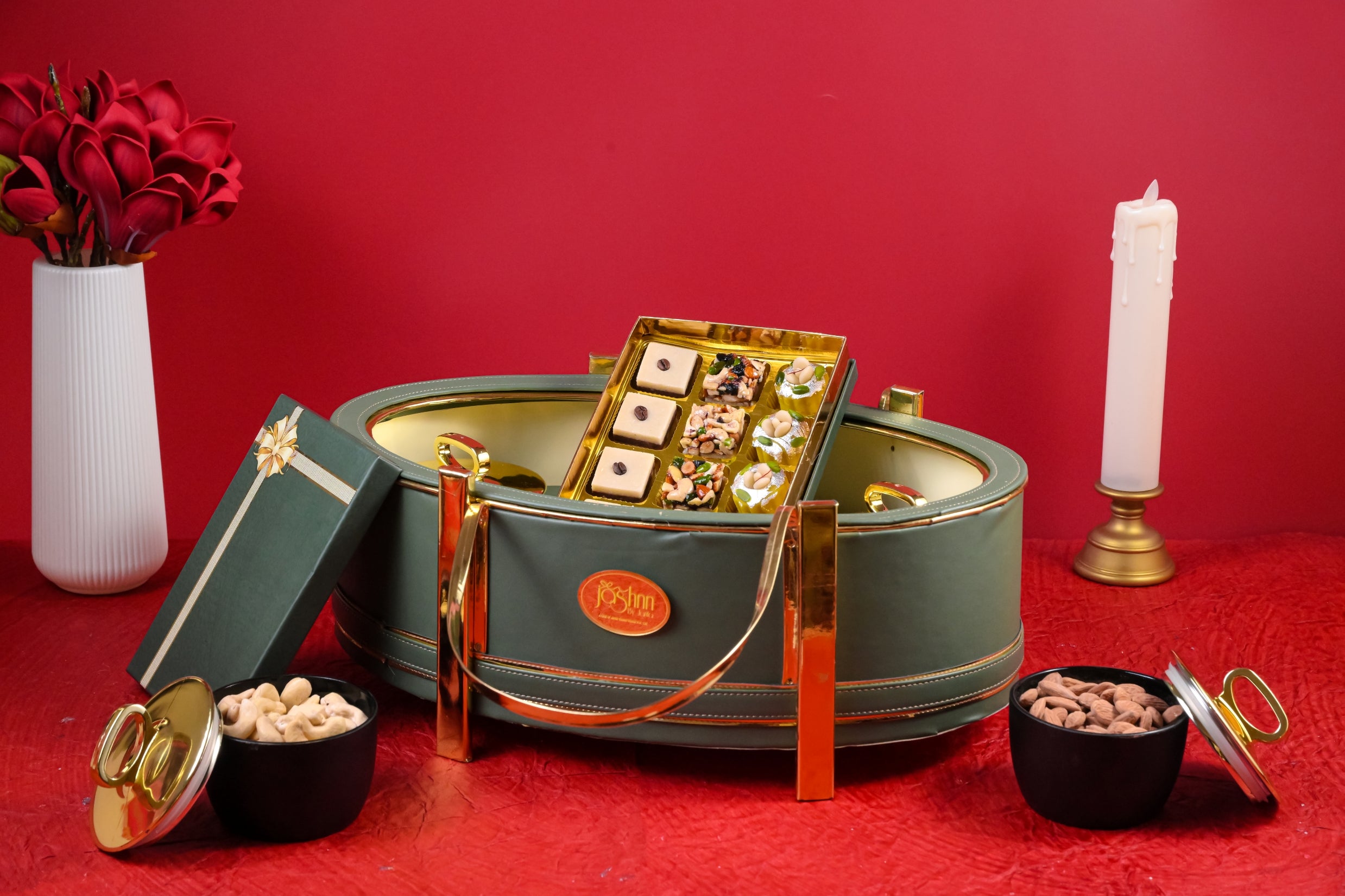
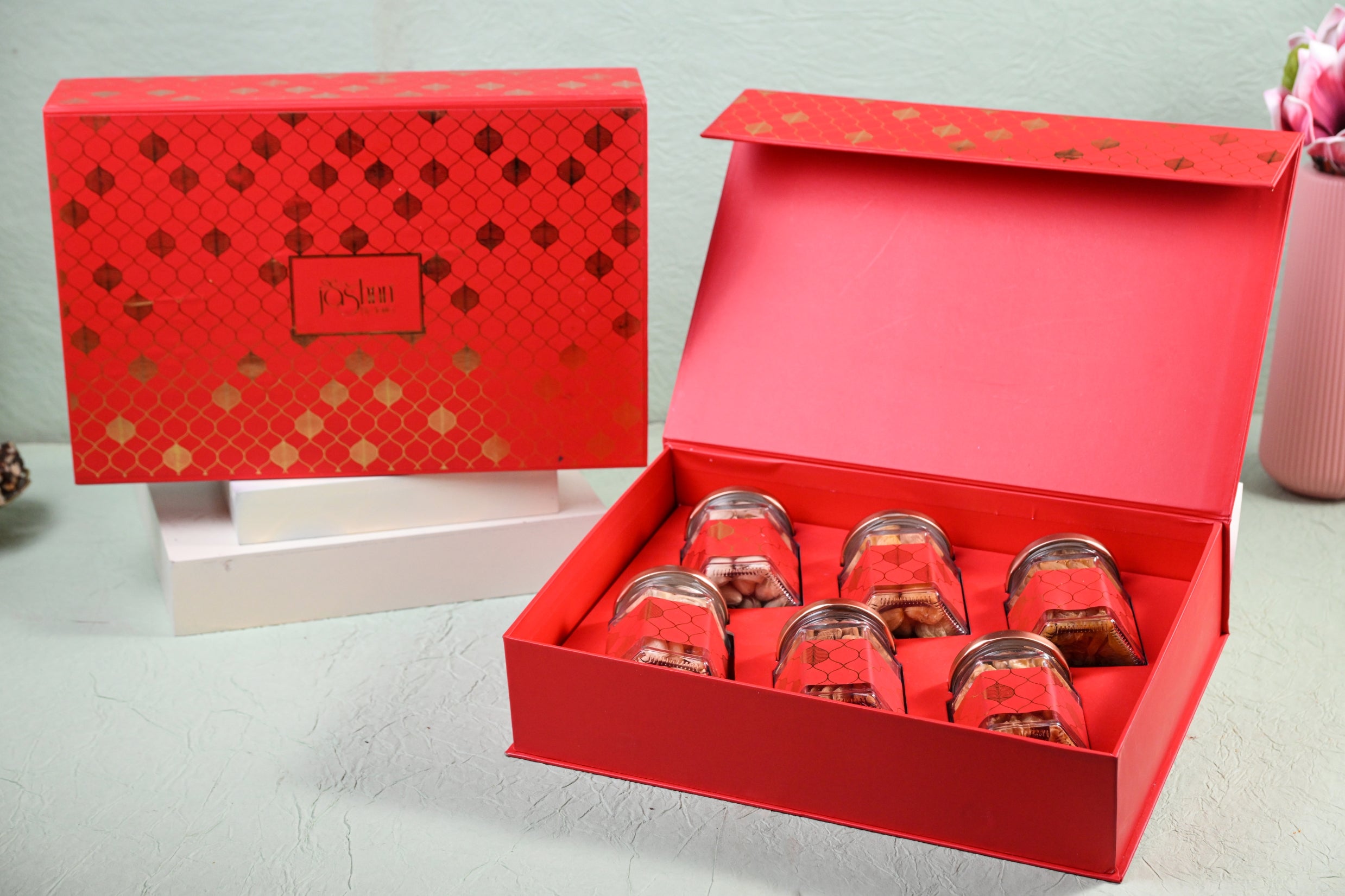
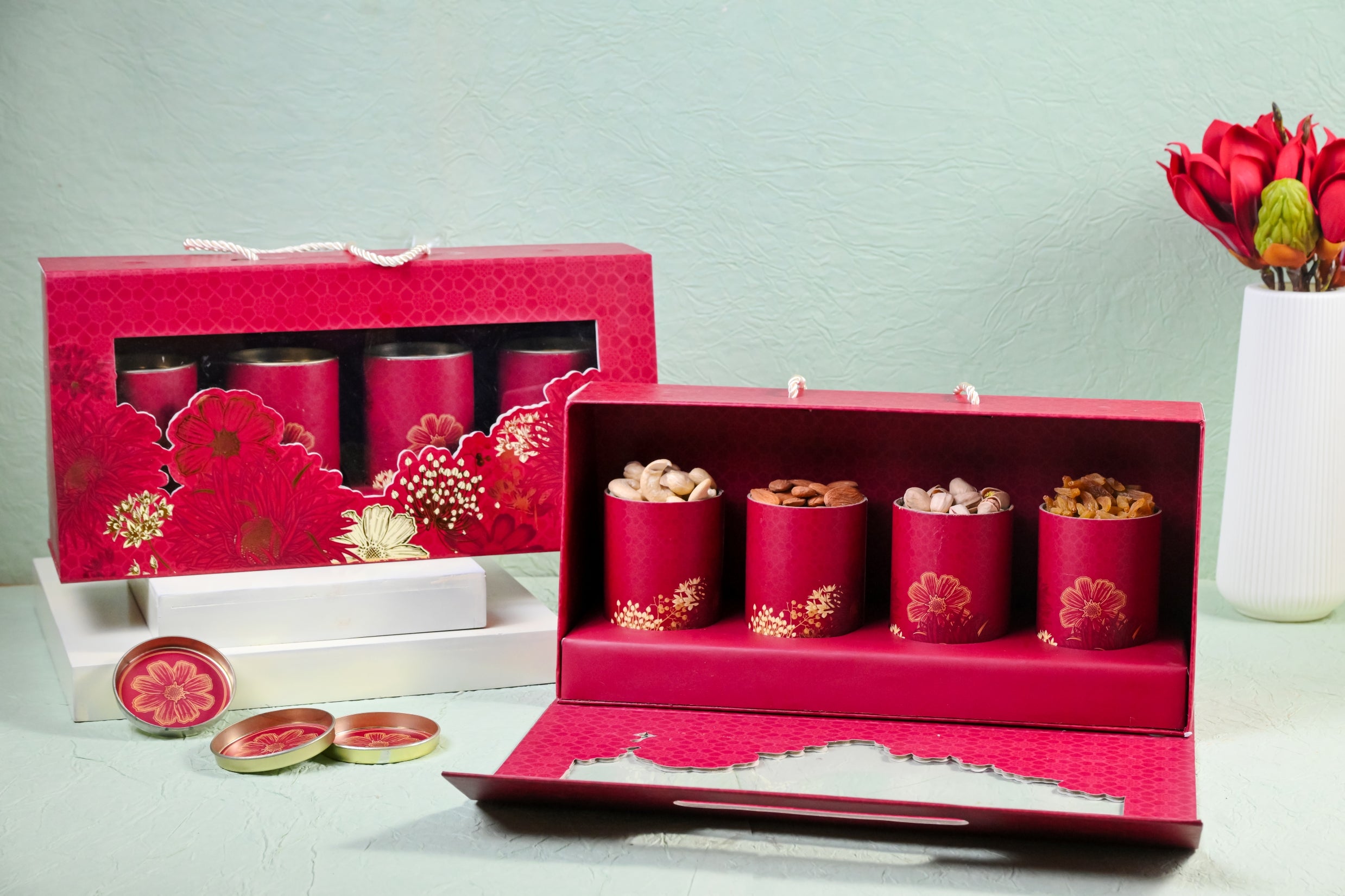
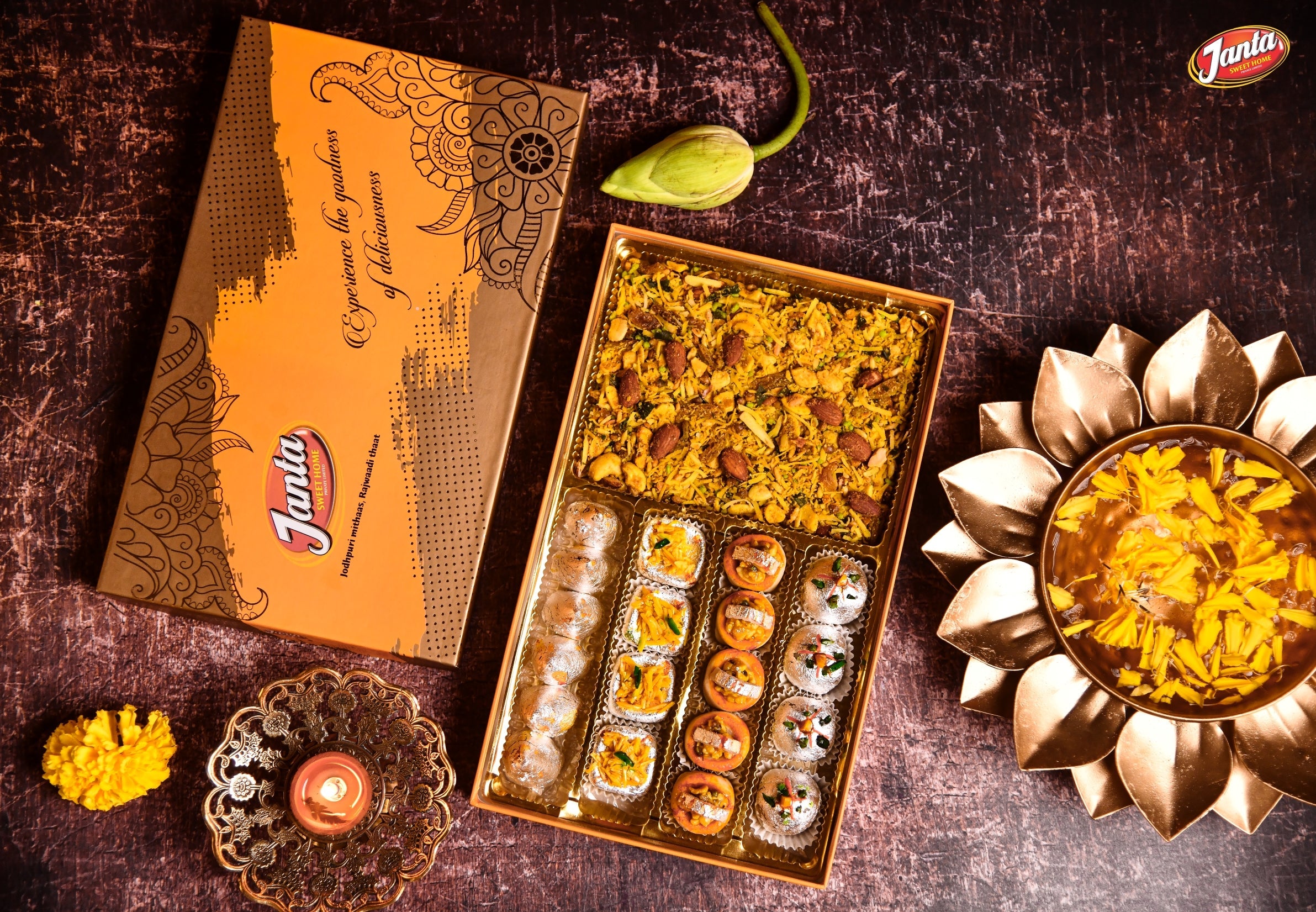
There is something about Indian mithai that never goes out of season.
A box of sweets arriving home still makes everyone curious. A piece of mithai still marks good news. Festivals still feel incomplete without sharing something sweet, and even an ordinary family gathering becomes a little more special when someone opens a box of everyone’s favourites.
For generations, traditional Indian sweets have been much more than desserts. They are part of our celebrations, family rituals, childhood memories and regional identities.
And perhaps that is exactly why their charm remains unchanged.
From the delicate crispness of Ghewar during the monsoon and festive season to rich laddoos and dry-fruit sweets enjoyed during winter, every season in India seems to have a flavour of its own.
At Janta Sweet Home, this relationship between tradition, season and sweetness has been part of our journey for decades. From Jodhpur’s celebrations to family tables across generations, we have seen how certain flavours never simply satisfy a craving—they bring a memory back to life.
Indian Mithai Is More Than Just Dessert
In India, sweetness carries meaning.
We offer mithai when a new chapter begins. We distribute sweets when good news arrives. We take a box along when visiting family and share mithai during weddings, festivals, housewarmings and countless other celebrations.
Even the familiar phrase “kuch meetha ho jaye” says a lot about our relationship with sweets.
For us, mithai is rarely reserved only for the end of a meal. It can represent happiness, gratitude, blessings, hospitality or simply affection.
That emotional connection has allowed traditional Indian sweets to remain relevant even as food habits and dessert trends continue to change.
A pastry may be fashionable today and a new dessert may become popular tomorrow, but a familiar Kaju Katli, Laddu, Barfi or Ghewar carries something trends cannot easily recreate:
a sense of home.
Every Season Brings a Different Kind of Sweetness
One of the most beautiful aspects of Indian food culture is how closely it follows the seasons.
Our preferences naturally change with the weather—and traditional sweets have evolved around those changes too.
Summer: Lighter Flavours and Cooling Favourites
During warmer months, people naturally gravitate towards flavours that feel lighter and refreshing.
Milk-based preparations, Shrikhand, Kulfi, fruit-inspired desserts and coconut-based sweets often become popular choices.
Summer celebrations also call for mithais that can be enjoyed in smaller portions and shared easily with family and guests.
The preference may change with the temperature, but the tradition of sharing something sweet remains.
Monsoon: When Ghewar Takes Centre Stage
For Rajasthan, the arrival of the monsoon brings with it one particularly special craving:
Ghewar.
Its intricate honeycomb texture, delicate crispness and sweetness make it one of Rajasthan’s most recognisable traditional delicacies.
Closely associated with Teej, Sawan and Raksha Bandhan, Ghewar is more than a seasonal mithai. For many families, its arrival signals that the festive season has truly begun.
Plain Ghewar carries a beautiful simplicity of its own, while variations topped with rabri, dry fruits and other indulgent additions turn it into a richer festive treat.
For people from Rajasthan—especially those who now live away from home—the sight and taste of Ghewar can instantly bring back memories of monsoon celebrations, family gatherings and festive shopping.
That is the true power of traditional food.
It does not only remind you of a flavour.
It reminds you of a time and place.
Winter: Rich, Comforting and Full of Tradition
As temperatures fall, our food preferences naturally become richer.
Winter has traditionally been associated with ingredients such as ghee, jaggery, sesame, nuts and dry fruits, which appear across several Indian sweets.
This is the season of comforting preparations such as:
- Gond Laddu
- Til Laddu
- Gajak
- Chikki
- Gajar Halwa
- Dry-fruit sweets
- Traditional ghee-based mithais
The aromas of roasted nuts, ghee and jaggery have become deeply connected with Indian winters.
For many of us, these sweets also bring back memories of mothers and grandmothers preparing seasonal recipes at home—recipes that were often made only for a few months of the year, making them even more eagerly awaited.
Festivals Give Every Sweet a Story
While traditional Indian sweets are enjoyed throughout the year, festivals give many of them a special identity.
Think of an Indian festival and chances are that a particular sweet immediately comes to mind.
Diwali brings beautifully arranged boxes of Kaju Katli, laddoos, barfis and dry-fruit sweets.
Holi brings Gujiya and other festive indulgences.
Ganesh Chaturthi is inseparable from Modak.
Makar Sankranti brings sesame and jaggery preparations.
And in Rajasthan, Teej and Raksha Bandhan bring the much-awaited season of Ghewar.
These associations have been built over generations.
We do not simply eat these sweets because they taste good. We return to them because celebrating without them somehow feels incomplete.
The Real Ingredient Is Nostalgia
Ask someone about their favourite mithai and you will often receive more than the name of a sweet.
You might hear:
“My grandmother used to make this.”
“My father always brought this home during Diwali.”
“We used to fight over the last piece.”
“This was always my favourite during summer holidays.”
That is what separates traditional Indian sweets from ordinary desserts.
They carry memory.
The aroma of ghee, the texture of a familiar Barfi or the first bite of Ghewar can transport someone back years within seconds.
At Janta Sweet Home, we have witnessed this relationship with food across generations.
Children who once visited a sweet shop holding their parents’ hands eventually return with families of their own. The celebrations evolve and generations change, but the excitement around opening a box of mithai remains remarkably familiar.
Rajasthan Has Its Own Language of Sweetness
India’s diversity has given every region its own extraordinary culinary identity, and Rajasthan is no exception.
The state is known for flavours that are bold, distinctive and closely connected with its traditions.
Ghewar has become synonymous with Rajasthan’s festive season, while delicacies such as Mawa Kachori have developed their own loyal following.
In Jodhpur, sweets and savouries are deeply woven into everyday life.
A box of mithai accompanies celebrations. Namkeen finds its way into conversations over tea. Specialities are carried home after a visit to the city and sent to loved ones living elsewhere.
Food becomes part of how a city is remembered.
And for Janta Sweet Home, being part of Jodhpur’s food culture means preserving the traditional flavours people recognise while continuing to present them for a new generation.
Traditional Recipes, Modern Celebrations
Tradition does not have to mean standing still.
The way people buy, gift and enjoy sweets has changed considerably.
Customers today look for beautifully presented gifting boxes, convenient online ordering, curated assortments and products that can travel more easily.
Weddings and corporate occasions have also transformed mithai gifting into a much more personalised experience.
Yet the expectation at the heart of it remains unchanged:
the mithai should still taste authentic.
That balance between heritage and contemporary presentation is helping traditional Indian sweets remain relevant to younger generations.
The packaging may evolve.
The occasion may become more modern.
But the flavour still needs to feel familiar.
Why Traditional Indian Sweets Continue to Win Hearts
So why do traditional Indian sweets remain loved despite an endless variety of modern desserts?
The answer is not one single reason.
It is because mithai exists at the intersection of taste, tradition and emotion.
Traditional sweets continue to be loved because they:
- Carry recipes and flavours recognised across generations
- Are closely associated with Indian festivals and rituals
- Reflect regional food traditions
- Change naturally with seasons and celebrations
- Make meaningful gifts for personal and professional occasions
- Bring back memories of family and childhood
- Offer an extraordinary variety of textures, ingredients and flavours
Most importantly, they give people something familiar to return to.
And in an ever-changing world, familiarity can be incredibly comforting.
Choosing Authentic Traditional Indian Sweets
A memorable mithai experience begins with quality.
When choosing traditional sweets, pay attention to freshness, ingredients, preparation and the reputation of the sweet maker.
Some sweets are at their best during particular seasons, while others remain favourites throughout the year.
It is also worth choosing sweets according to the occasion.
A festive gathering may call for a diverse assortment, while a wedding or corporate gift can be elevated through thoughtfully curated packaging. For intimate family celebrations, sometimes a simple box containing everyone’s favourites is all that is needed.
Ultimately, good mithai should do more than look beautiful.
It should make the first bite feel familiar.
A Legacy of Sweetness at Janta Sweet Home
For generations, Janta Sweet Home has been part of Jodhpur’s celebrations, serving traditional sweets, savouries and flavours that have become part of countless family memories.
Our relationship with mithai is built around something simple:
Traditions survive when people continue to enjoy them.
That means respecting the flavours people grew up loving while making them relevant to how families celebrate today.
Whether it is the festive excitement around Ghewar, a box of sweets shared during Diwali, mithai chosen for a wedding or simply something sweet brought home for the family, we believe every box carries an emotion with it.
Some Traditions Never Lose Their Sweetness
Seasons change.
Celebrations evolve.
Generations grow up.
Yet the joy of sharing mithai remains surprisingly unchanged.
Traditional Indian sweets have survived changing tastes because they were never merely desserts in the first place. They are memories, customs and celebrations transformed into flavours.
A particular sweet might remind you of the monsoon.
Another may take you back to Diwali at your grandparents’ home.
And another might simply remind you of the person who always saved the last piece for you.
That is why traditional Indian sweets continue to be loved in every season.
Because while the occasion may change, there is always a reason to make life a little sweeter.
Explore traditional sweets and signature favourites from Janta Sweet Home and rediscover the flavours that have been part of celebrations for generations.
Frequently Asked Questions
Why are traditional Indian sweets still popular?
Traditional Indian sweets combine distinctive flavours with cultural and emotional significance. They are closely connected with festivals, weddings, family traditions and celebrations, which helps them remain relevant across generations.
Which Indian sweets are popular in different seasons?
Preferences vary by region, but Ghewar is particularly popular during Rajasthan’s monsoon and festive season, while sesame, jaggery, ghee and dry-fruit-based sweets are commonly enjoyed during winter. Many classics such as Kaju Katli, Barfi and laddoos are enjoyed throughout the year.
Why is Ghewar popular during the monsoon?
Ghewar is traditionally associated with Sawan and festivals such as Teej and Raksha Bandhan, particularly in Rajasthan. Over generations, it has become one of the region’s most recognisable seasonal sweets.
Which traditional sweets is Rajasthan famous for?
Rajasthan is particularly known for sweets such as Ghewar and Mawa Kachori, along with several regional preparations that vary across different cities and communities.
Are traditional Indian sweets only meant for festivals?
No. Mithai is enjoyed throughout the year for birthdays, weddings, achievements, religious occasions, family gatherings, gifting or simply as an everyday indulgence.
What makes a good traditional mithai?
Fresh preparation, quality ingredients, balanced flavour, appropriate texture and authentic recipes all contribute to good traditional mithai. Choosing an established sweet maker can also help ensure consistency and freshness.
Where can I buy traditional sweets in Jodhpur?
Janta Sweet Home offers traditional Indian sweets, Rajasthani specialities, festive collections and gifting options in Jodhpur, with selections designed for everyday indulgence as well as special celebrations.


