

Cart
0
Overview
India’s culinary heritage is a vibrant reflection of its diverse cultures, regions, and centuries-old traditions. From flavorful regional cuisines to iconic festive delicacies, food plays a central role in bringing people together and preserving cultural identity. Among the many treasures of Indian gastronomy, sweets hold a special place in everyday life and significant life events alike.
At the heart of this tradition are India’s sweet shops, which serve as more than just retail establishments. They act as custodians of culinary heritage, preserving authentic recipes, traditional preparation methods, and regional specialities that define local identities. Despite rapid modernisation, changing consumer preferences, and the rise of industrialised food production, many sweet shops continue to uphold age-old practices while adapting to contemporary demands.
This article explores how Indian sweet shops preserve cultural traditions through craftsmanship, family legacies, regional flavours, festive customs, and a commitment to authenticity in an evolving marketplace.
-
The Deep Connection Between Indian Sweets and Culture
Sweets have been an integral part of Indian culture for centuries. Historical records and ancient texts reference the preparation and sharing of sweet delicacies during religious ceremonies, royal celebrations, and community gatherings. Over time, sweets evolved into symbols of goodwill, prosperity, and celebration.
Across India, offering sweets is a customary gesture that reflects warmth and respect. From welcoming guests into a home to commemorating personal milestones, sweets are often present during life's most meaningful moments. Their significance extends beyond taste, representing emotions, traditions, and social bonds.
Each region of India has developed its own unique sweet-making traditions, resulting in an incredible variety of flavours, textures, and recipes. These regional specialities reflect local ingredients, climate, and cultural influences, making sweets an important expression of regional identity.
-
Passing Down Time-Honoured Recipes Through Generations
One of the most important ways Indian sweet shops preserve cultural traditions is through the transmission of recipes and techniques from one generation to the next.
Many of India's most respected sweet shops are family-owned businesses that have operated for decades, and in some cases, for more than a century. The knowledge of preparing traditional sweets is often passed down within families, with younger generations learning directly from parents and grandparents.
These recipes are rarely written down in precise measurements. Instead, they rely on experience, intuition, and craftsmanship. Sweet makers learn to judge the consistency of sugar syrup, the texture of dough, and the perfect cooking time through years of practice.
By maintaining these traditional methods, sweet shops help preserve authentic flavours that might otherwise disappear. Customers continue to enjoy sweets made according to recipes that have remained largely unchanged for generations, creating a tangible connection between the past and the present.
-
Keeping Festival Traditions Alive
Festivals are among the most important occasions for sweet consumption in India, and sweet shops play a central role in maintaining these traditions.
Throughout the year, sweet shops prepare special seasonal delicacies associated with different cultural and religious celebrations. These offerings often reflect long-standing customs that have been observed for generations.
Families frequently visit their favourite sweet shops before important occasions to purchase traditional treats for gifting, sharing, and serving to guests. The anticipation surrounding seasonal sweets helps keep cultural practices alive and relevant in modern society.
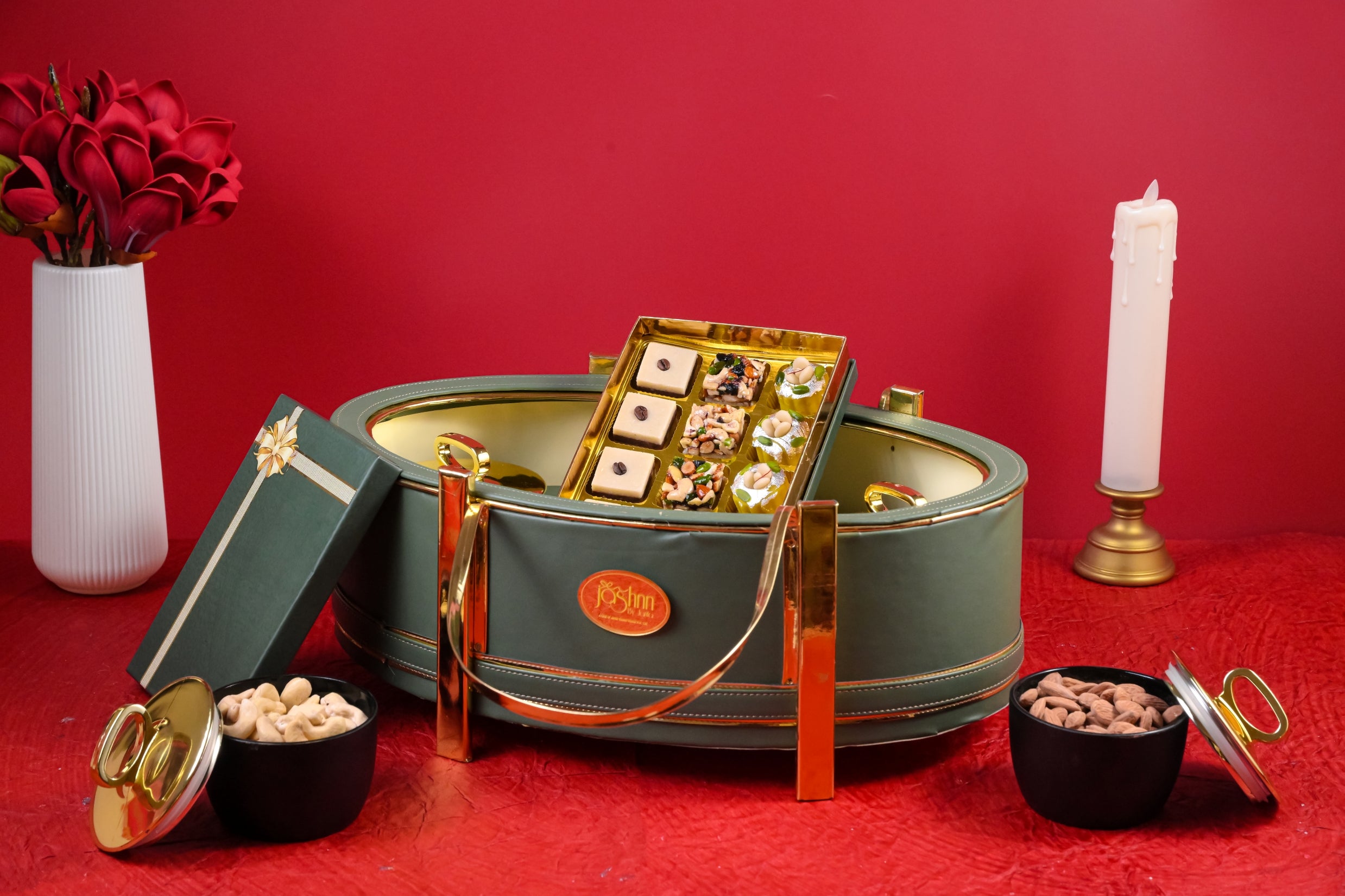
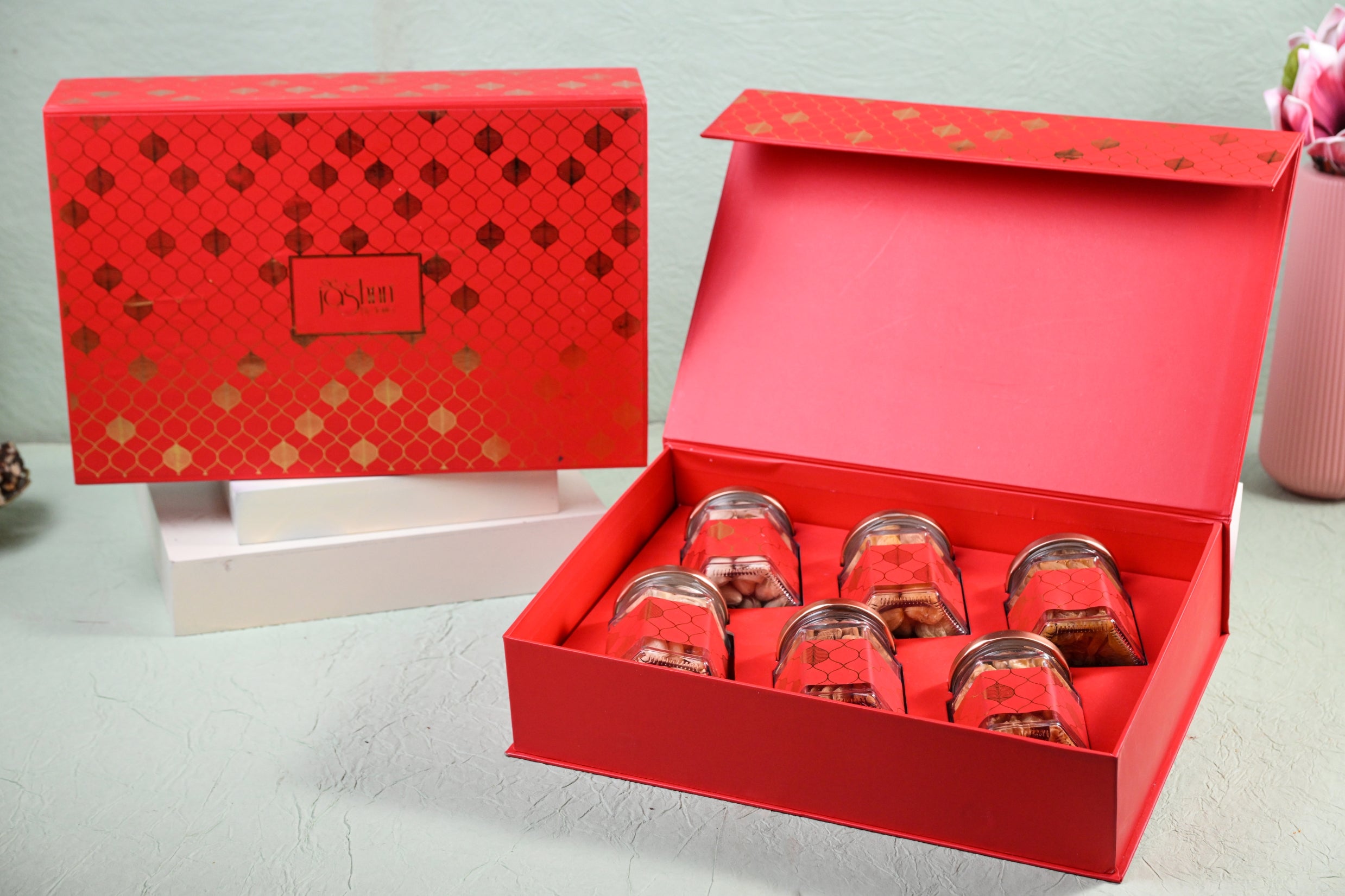
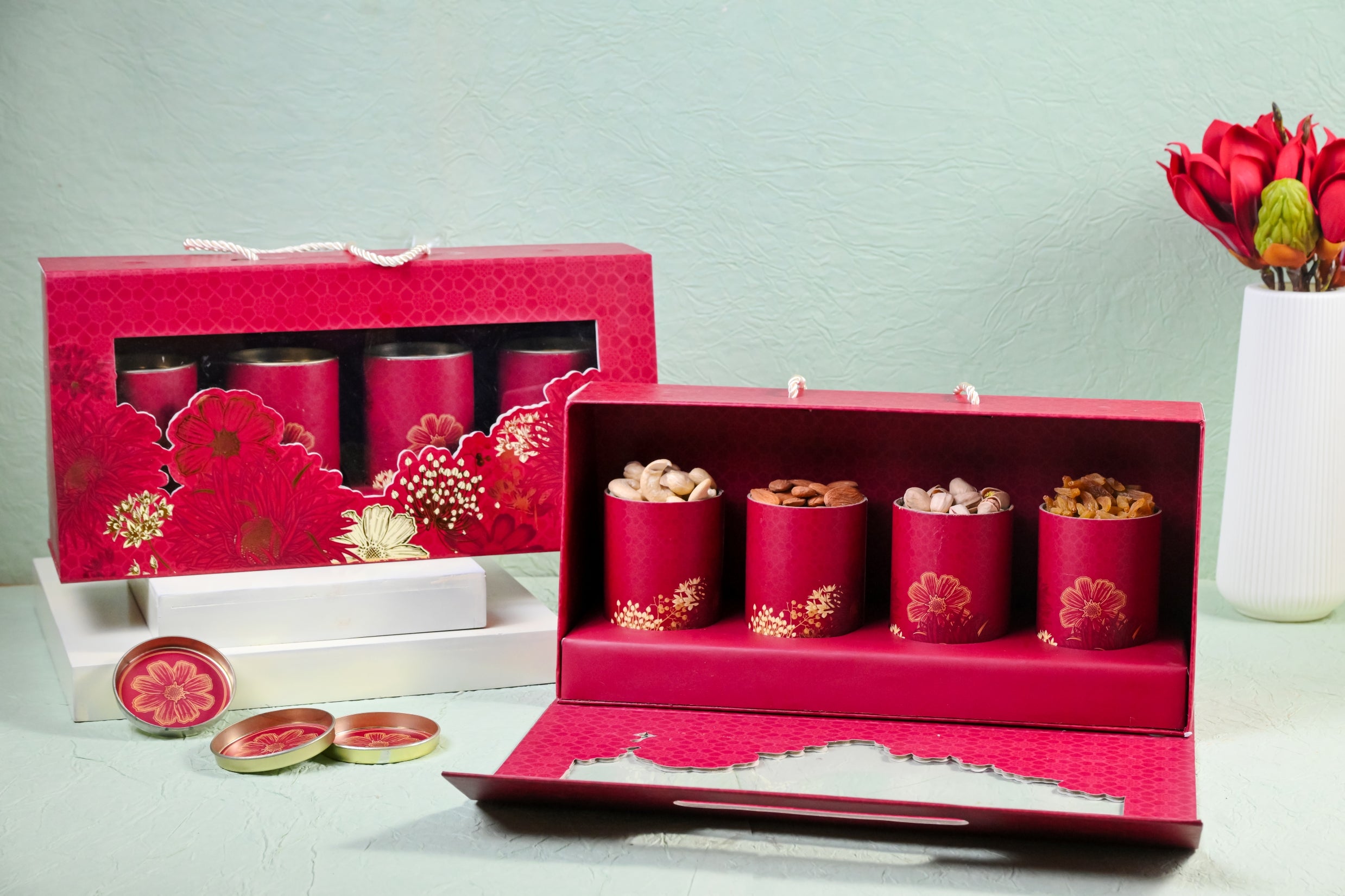
Many sweet shops also create festive packaging and special collections that celebrate traditional values while appealing to contemporary consumers. In doing so, they bridge the gap between heritage and modern lifestyles.
The continued popularity of traditional sweets during celebrations demonstrates how sweet shops contribute to preserving customs that remain deeply embedded in Indian culture.
-
Preserving Regional Culinary Heritage
India's regional diversity is one of its greatest strengths, and sweet shops play an essential role in safeguarding this rich culinary landscape.
Every region has signature sweets that tell a story about local history, ingredients, and traditions. These recipes often originated centuries ago and have become symbols of regional pride.
For example, certain regions are renowned for milk-based sweets, while others specialise in delicacies made from flour, jaggery, coconut, or lentils. Local ingredients and preparation techniques create distinctive flavours that cannot easily be replicated elsewhere.
Traditional sweet shops act as custodians of these regional recipes, ensuring that they continue to be prepared using authentic methods. This preservation is particularly important at a time when global food trends can sometimes overshadow local culinary traditions.
By maintaining regional specialities, sweet shops help communities celebrate their unique cultural identities while introducing visitors to the diversity of Indian cuisine.
-
Supporting Traditional Craftsmanship
The art of sweet making requires a remarkable level of skill, patience, and attention to detail. Many traditional sweets are still crafted by hand, using techniques that have been refined over generations.
From kneading dough and shaping sweets to carefully controlling temperatures during cooking, every stage requires expertise. The process often combines science, artistry, and intuition in equal measure.
Experienced sweet makers devote years to mastering their craft. Many begin learning at a young age, gradually developing the skills necessary to produce sweets of consistent quality.
Traditional sweet shops support this craftsmanship by providing opportunities for training and mentorship. Younger workers learn directly from experienced artisans, ensuring that specialised knowledge is not lost.
This commitment to preserving traditional skills helps maintain the authenticity and quality that customers associate with established sweet shops.
-
Strengthening Community Bonds
Indian sweet shops have long served as important social and cultural institutions within their communities.
For many families, visiting a trusted sweet shop is a tradition in itself. Generations of customers often return to the same establishments, creating strong relationships built on familiarity and trust.
Sweet shops frequently become gathering places where people celebrate milestones, share stories, and strengthen social connections. They play an important role during weddings, family functions, religious events, and community celebrations.
In many neighbourhoods, sweet shop owners are well-known figures who have served locals for years. Their businesses become part of the community's collective memory and cultural identity.
These longstanding relationships contribute to the preservation of traditions by creating continuity across generations. Customers often introduce younger family members to the same sweets and shops they enjoyed growing up, helping cultural practices endure over time.
-
Adapting Tradition for Modern Consumers
While preserving tradition remains their primary strength, successful sweet shops have also demonstrated an impressive ability to adapt to changing consumer preferences.
Today's customers often seek healthier options, convenient purchasing experiences, and premium gifting solutions. In response, many sweet shops have introduced low-sugar varieties, innovative packaging, and online ordering services.
Digital platforms have allowed traditional businesses to reach wider audiences without compromising their heritage. Customers can now enjoy authentic sweets delivered to their homes while still supporting long-established family businesses.
Many sweet shops have also embraced modern presentation techniques, creating elegant gift boxes and customised assortments that appeal to contemporary consumers.
Importantly, the most successful businesses achieve a balance between innovation and authenticity. They modernise aspects of their operations while preserving the recipes, craftsmanship, and values that define their identity.
-
Contributing to Local Economies and Cultural Continuity
The influence of traditional sweet shops extends beyond cultural preservation. They also make significant contributions to local economies and communities.
Sweet shops support a wide network of suppliers, including dairy farmers, sugar producers, spice merchants, and packaging businesses. This ecosystem creates employment opportunities and helps sustain local industries.
In addition, many renowned sweet shops attract visitors interested in experiencing authentic regional cuisine. Food tourism has become increasingly popular, with travellers seeking traditional culinary experiences that reflect local culture.
By maintaining traditional recipes and preparation methods, sweet shops contribute to cultural continuity while generating economic value for their communities.
Their success demonstrates that preserving heritage and supporting economic development can go hand in hand.
Conclusion
Indian sweet shops are much more than places to purchase desserts. They are living repositories of culture, history, and tradition. Through the preservation of family recipes, regional specialities, artisanal techniques, and community customs, they play an essential role in safeguarding India's rich cultural heritage.
As the country continues to evolve, these establishments demonstrate that tradition and innovation can coexist. By adapting to modern consumer needs while remaining rooted in authenticity, sweet shops ensure that treasured culinary practices continue to be enjoyed by future generations.
Supporting traditional sweet shops is not simply a matter of purchasing sweets; it is a way of celebrating and preserving the cultural legacy that makes India's culinary heritage so unique. Their enduring presence serves as a reminder that food is far more than nourishment—it is a powerful expression of identity, memory, and community.
Frequently Asked Questions – FAQs
1. Why are Indian sweet shops considered guardians of tradition?
Indian sweet shops preserve authentic recipes, regional flavors, and time-honored preparation methods that have been passed down through generations, keeping India's rich culinary heritage alive.
2. How do Indian sweet shops celebrate festivals?
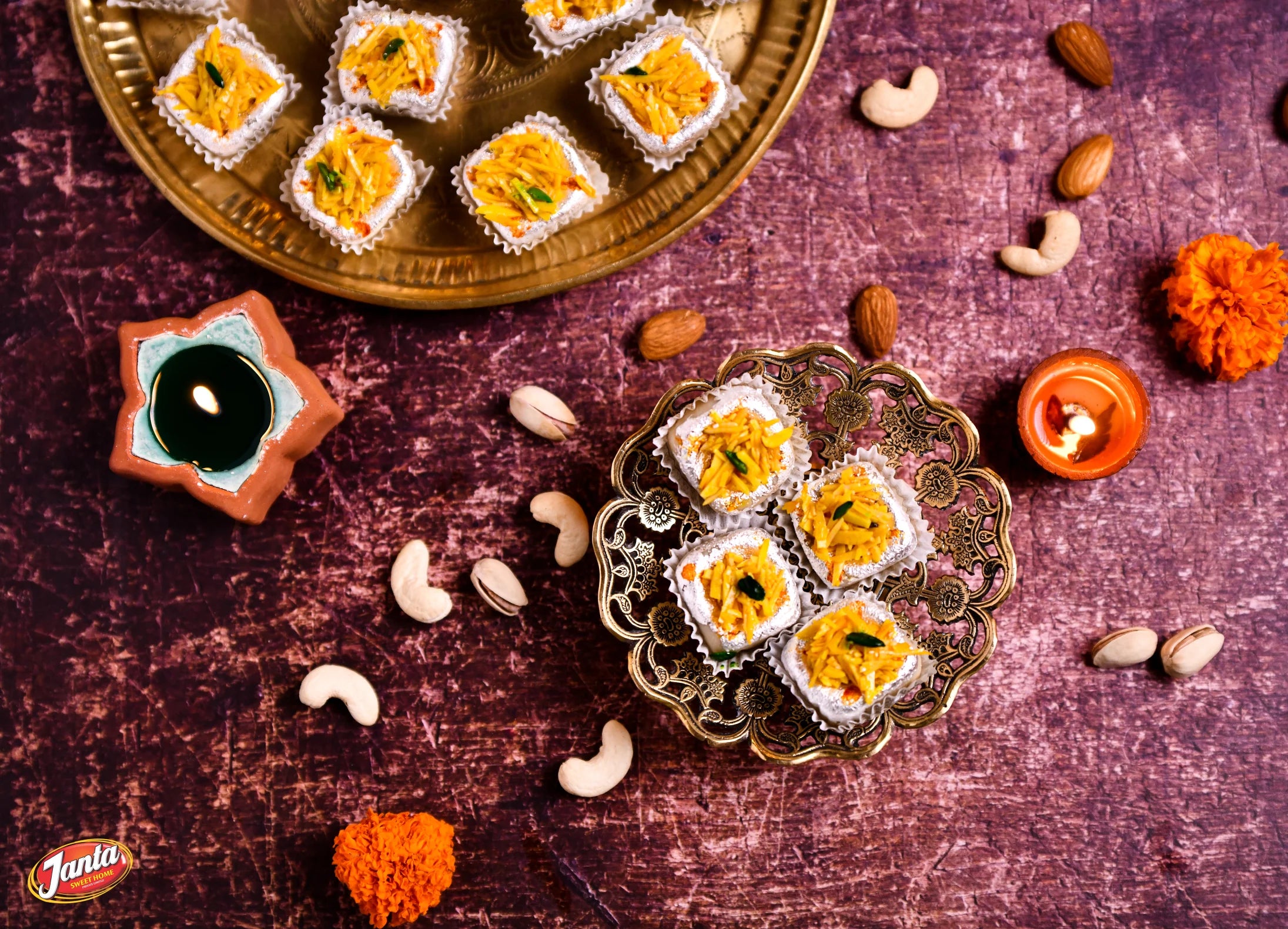
During festivals like Diwali, Holi, and Raksha Bandhan, Indian sweet shops prepare traditional sweets such as laddoos, barfi, and kaju katli, making celebrations more meaningful and culturally connected.
3. Are traditional Indian sweets still handmade?
Yes. Many renowned Indian sweet shops continue to prepare sweets by hand using traditional techniques and premium ingredients, ensuring authentic taste and quality.
4. Why do people prefer local Indian sweet shops over packaged sweets?
Local Indian sweet shops offer freshly made sweets, personalized service, authentic flavors, and trusted quality, making them a preferred choice for festivals, weddings, and special occasions.
5. How do Indian sweet shops balance tradition with modern preferences?
Many Indian sweet shops now offer sugar-free, low-calorie, and premium gift options while preserving traditional recipes, allowing customers to enjoy classic Indian sweets with contemporary choices.


