

Cart
0
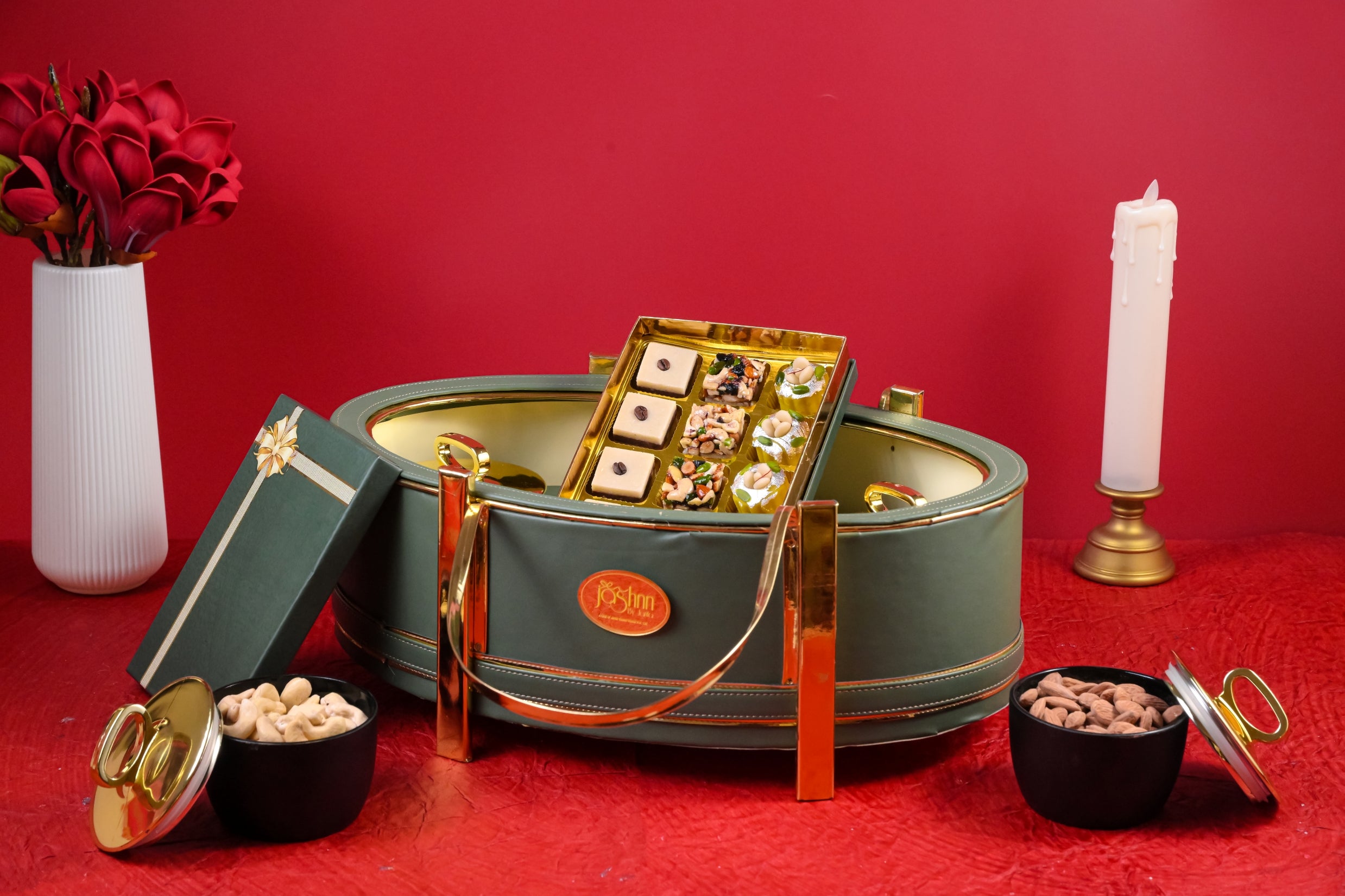
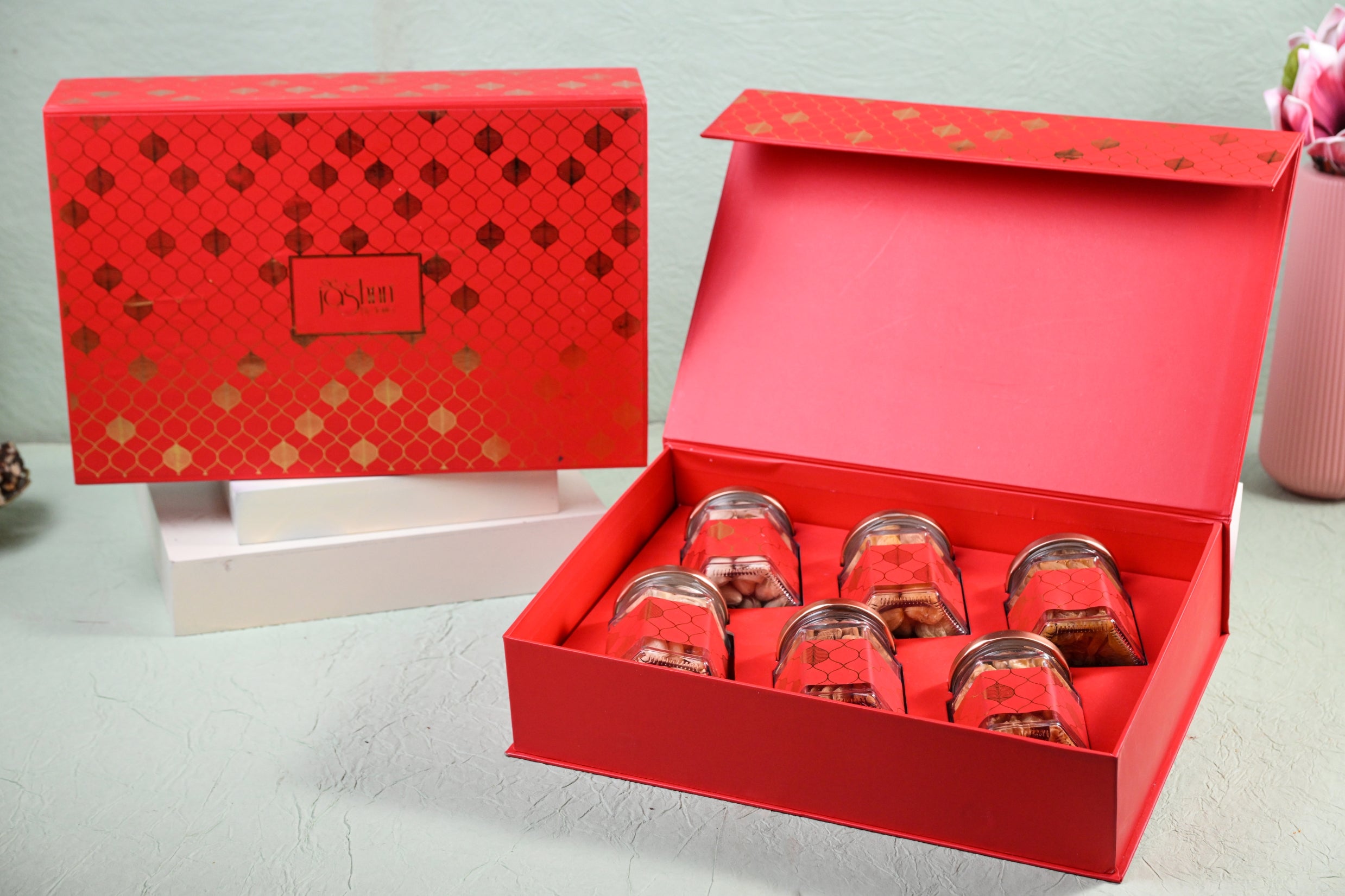
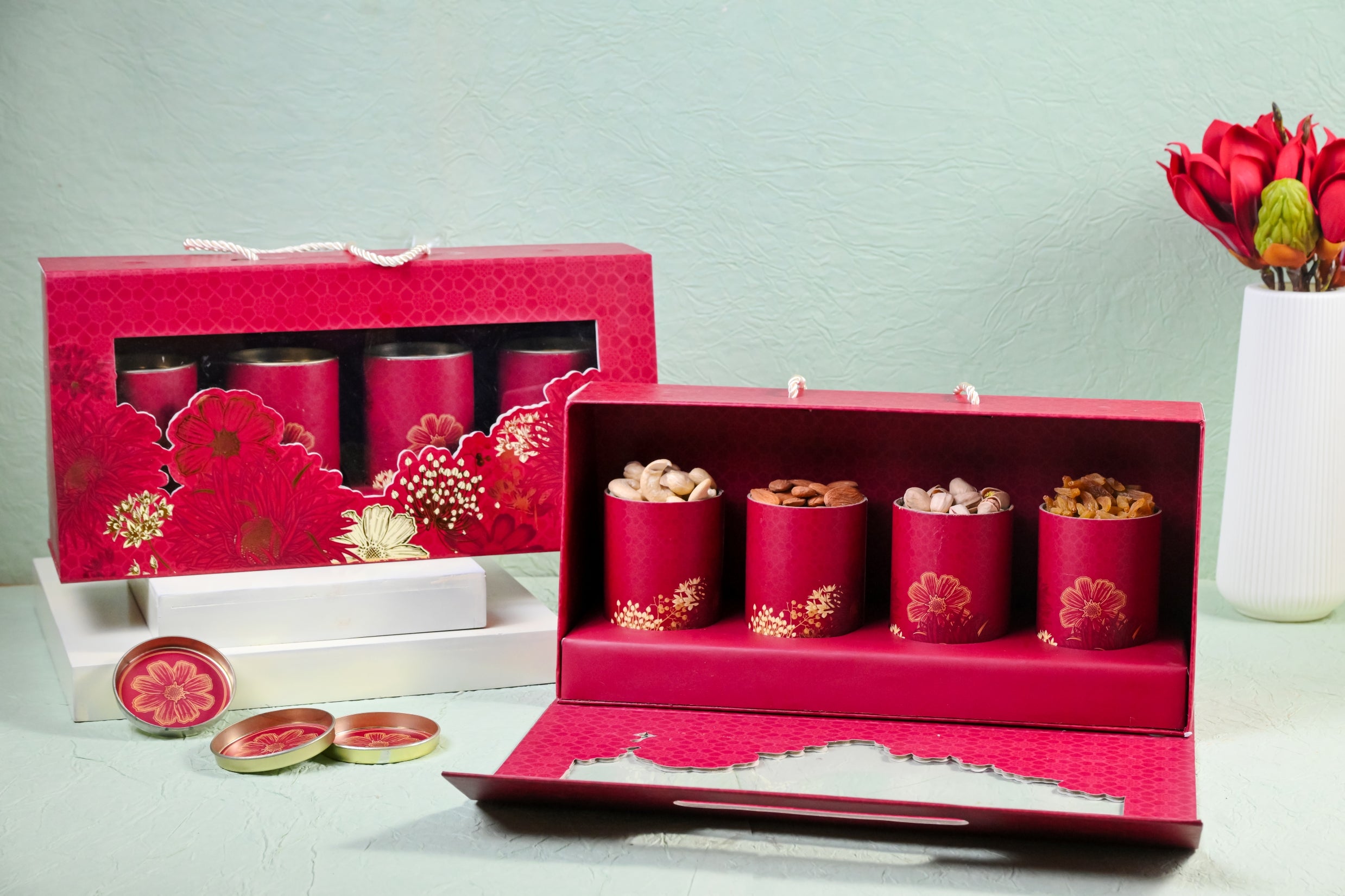
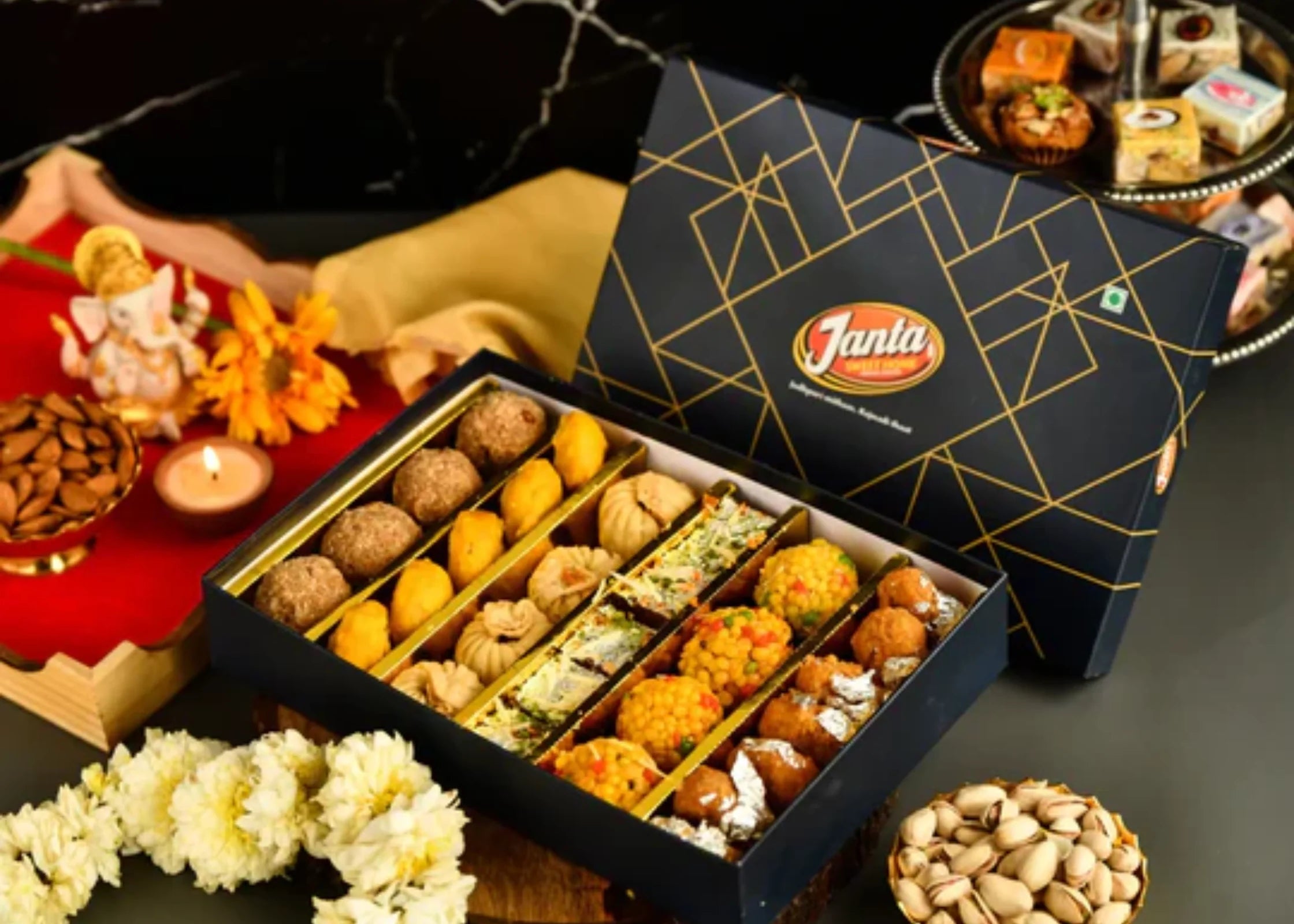
There’s something timeless about gifting sweets in India. Whether it’s a box of traditional mithai during any festive season, chocolates on birthdays, or homemade desserts shared with loved ones, sweets have always carried emotions far beyond their taste. Across cultures and generations, people naturally associate sweetness with happiness, celebration, warmth, and connection.
But have you ever wondered why sweets hold such emotional value?
The act of gifting sweets goes far beyond offering something delicious. Psychologically, sweetness is deeply connected to feelings of comfort, trust, warmth, and happiness. A simple sweet treat can express emotions that words sometimes fail to communicate. It can mend relationships, strengthen bonds, and make life’s important moments feel even more meaningful.
In this blog, we explore the psychology of gifting sweets and discover why sweetness continues to build stronger relationships across families, friendships, communities, and even professional spaces.
The Psychology Behind Gifting Sweets
-
Sweetness and Positive Emotions
There is genuine scientific evidence for our emotional connection to sweets.
Sweet foods activate pleasure centres in the brain and trigger the release of dopamine, often referred to as the “feel-good” chemical. This creates feelings of comfort, satisfaction, and happiness. As a result, sweets naturally become associated with positive emotional experiences.
From childhood onwards, many people develop emotional memories around desserts and treats. We often receive sweets as rewards, during celebrations, or in moments of comfort. Over time, the brain begins linking sweetness with love, care, and joy.
This psychological association is one of the key reasons why gifting sweets feels so emotionally meaningful.
-
Sweets as Symbols of Affection
Food has always been a powerful expression of love, and sweets hold a particularly special place within that connection.
When someone gifts sweets, they are not simply offering food. They are offering warmth, kindness, and thoughtfulness. A carefully selected box of sweets shows effort and consideration. It reflects the desire to make another person feel valued and appreciated.
This is why sweets in India are often exchanged during emotional milestones, such as weddings, anniversaries, births, festivals, and reunions. They help express feelings that may otherwise be difficult to articulate.
Even something as small as sharing a dessert with a friend can strengthen emotional closeness.
-
The Power of Reciprocity
Psychologists often discuss the principle of reciprocity and the natural human tendency to respond positively when kindness is shown to us.
Receiving sweets creates feelings of gratitude and connection. It encourages emotional openness and often inspires people to return the gesture. This simple exchange helps build trust and strengthen social relationships over time.
In many ways, gifting sweets acts as a social bridge. It creates moments of interaction, appreciation, and emotional warmth, deepening human connections.
The Emotional Science of Sharing Food
-
Food and Human Connection
Food has always been far more than simple nourishment. Across cultures and generations, sharing meals has been a meaningful way for people to connect emotionally and socially. Anthropologists and psychologists agree that communal eating strengthens relationships, builds trust, and creates a sense of belonging.
From family dinners to festive celebrations, food naturally brings people together. Sitting around a table encourages conversation, laughter, and emotional closeness. It creates an environment where people feel accepted and valued.
Among all types of food, sweets hold a particularly special place in human emotions. Sweet flavours are psychologically associated with happiness, reward, pleasure, and celebration. When someone offers sweets to another person, the gesture symbolises kindness, affection, and generosity. It becomes more than simply sharing food — it becomes an expression of care and emotional warmth.
In many traditions, sweets are exchanged during festivals, weddings, birthdays, and special milestones because they represent positivity and good wishes. This deep emotional symbolism explains why sweet gifting continues to remain timeless across cultures.
-
Nostalgia and Emotional Memories
Sweets also have a unique ability to evoke powerful memories and emotions. The taste of a traditional dessert or the aroma of freshly prepared sweets can instantly transport people back to cherished childhood moments, family gatherings, and festive celebrations.
These nostalgic experiences create emotional comfort and familiarity. Many traditional sweets are closely tied to family recipes and cultural heritage, making them emotionally meaningful rather than just enjoyable treats.
For example, a simple bite of homemade mithai may remind someone of festive evenings with grandparents or celebrations during childhood. These emotional associations make sweet gifting deeply personal and memorable.
When people gift traditional sweets, they are often sharing more than flavour — they are sharing stories, memories, culture, and emotional connection. This emotional depth is one of the key reasons sweets continue to hold such importance in gifting traditions around the world.
-
Comfort and Emotional Security
During stressful or emotionally difficult times, many people naturally turn to comfort foods, and sweets are often at the top of that list. Sweet treats can temporarily boost mood and provide feelings of emotional relief and reassurance.
Sharing sweets during emotional moments strengthens this comforting effect. Whether visiting a loved one, celebrating good news, or supporting someone through challenging times, offering sweets communicates empathy, support, and emotional sensitivity.
This is why sweets are commonly present during both joyful and emotional occasions. They help create a sense of togetherness and emotional security. Even a small sweet gesture can make someone feel remembered, cared for, and emotionally supported.
-
Universally Loved
One of the biggest reasons sweets remain such popular gifts is their universal appeal. Unlike many gifts that depend on highly specific personal preferences, sweets are enjoyed by people of all ages and backgrounds.
Whether it is traditional mithai, gourmet chocolates, artisanal desserts, or festive delicacies, there is always something suitable for every taste and occasion. Their versatility makes them ideal for celebrations, corporate gifting, family gatherings, and personal gestures alike.
-
Meaningful Yet Simple
Sweets perfectly balance simplicity and emotional significance. Even a modest box of sweets can express gratitude, affection, celebration, or appreciation sincerely and elegantly.
Often, the most meaningful gestures are the simplest ones. A thoughtfully chosen sweet gift can create lasting emotional impact without needing extravagance.
-
Beautiful Presentation and Personalisation
Modern sweet gifting has evolved significantly in recent years. Luxury packaging, customised hampers, premium handcrafted sweets, and personalised assortments have transformed traditional gifting into a sophisticated experience.
Today, people can select sweets based on dietary preferences, festive themes, flavours, or personal tastes. This added layer of customisation makes sweet gifts feel even more thoughtful, memorable, and emotionally meaningful.
Tips for Choosing the Right Sweets for Gifting
-
Match the Occasion
Different celebrations call for different types of sweets. Traditional mithai works beautifully for festivals and weddings, while gourmet chocolates may suit corporate or modern gifting occasions.
Choosing appropriately shows thoughtfulness and cultural understanding.
-
Consider Dietary Preferences
Being mindful of dietary needs reflects care and attention. Sugar-free, vegan, or gluten-free options ensure that everyone can enjoy the gesture comfortably.
-
Prioritise Quality and Freshness
Freshness plays a major role in the gifting experience. Choosing trusted sweet brands and high-quality ingredients ensures the gift feels premium and memorable.
Presentation also matters. Elegant packaging can enhance the emotional impact of even the simplest sweets.
Conclusion
The tradition of gifting sweets is much more than a cultural habit; it is deeply rooted in human psychology and emotional connection.
Sweetness symbolises joy, affection, generosity, and celebration. It creates positive emotions, strengthens relationships, and helps people feel connected. Whether shared during festivals, personal milestones, family gatherings, or professional interactions, sweets carry a universal language of warmth and happiness.
In a world where genuine human connection is increasingly valuable, even a simple sweet gesture can leave a lasting emotional impression.
Because sometimes, the sweetest relationships begin with something sweet shared between people.
Frequently Asked Questions – FAQs
1. Which sweet is most famous in Jodhpur?
Mawa Kachori is one of the most famous sweets in Jodhpur and a must-try for every visitor. This royal dessert features a crispy deep-fried pastry filled with rich mawa (khoya), dry fruits, and cardamom. After frying, it is dipped in sugar syrup, giving it a perfectly sweet and indulgent flavour. The combination of crunchy texture and creamy filling makes it a unique Rajasthani delicacy loved across India.
2. What are the traditional sweets of Rajasthan?
Rajasthan is famous for a wide variety of traditional sweets that reflect its royal culinary heritage. Popular desserts include Ghewar, Malpua, Rabri, Besan Chakki, Gulab Halwa, and Motichoor Laddu. These sweets are commonly prepared using desi ghee, milk solids, saffron, gram flour, and dry fruits. Many of them are closely associated with festivals, weddings, and cultural celebrations.
3. When is the best time to enjoy sweets in Jodhpur?
The best time to enjoy traditional sweets in Jodhpur is during festivals such as Diwali, Holi, Teej, and Raksha Bandhan. During these occasions, sweet shops prepare fresh festive specialities in large quantities. Winter is also a great season to enjoy rich desserts like Rabri and Gulab Halwa.
4. Are traditional Jodhpur sweets very sweet?
Most traditional sweets from Jodhpur have a rich and sweet flavour because they are made using sugar syrup, ghee, and milk-based ingredients. However, the addition of saffron, cardamom, rose petals, and dry fruits balances the sweetness and enhances the overall taste.
5. Can tourists carry Jodhpur sweets while travelling?
Yes, tourists can easily carry many Jodhpur sweets while travelling. Dry sweets like Besan Chakki and Motichoor Laddu have a longer shelf life and are ideal for travel. Many local sweet shops also offer vacuum-sealed and travel-friendly packaging to keep sweets fresh for longer durations.


