

Cart
0
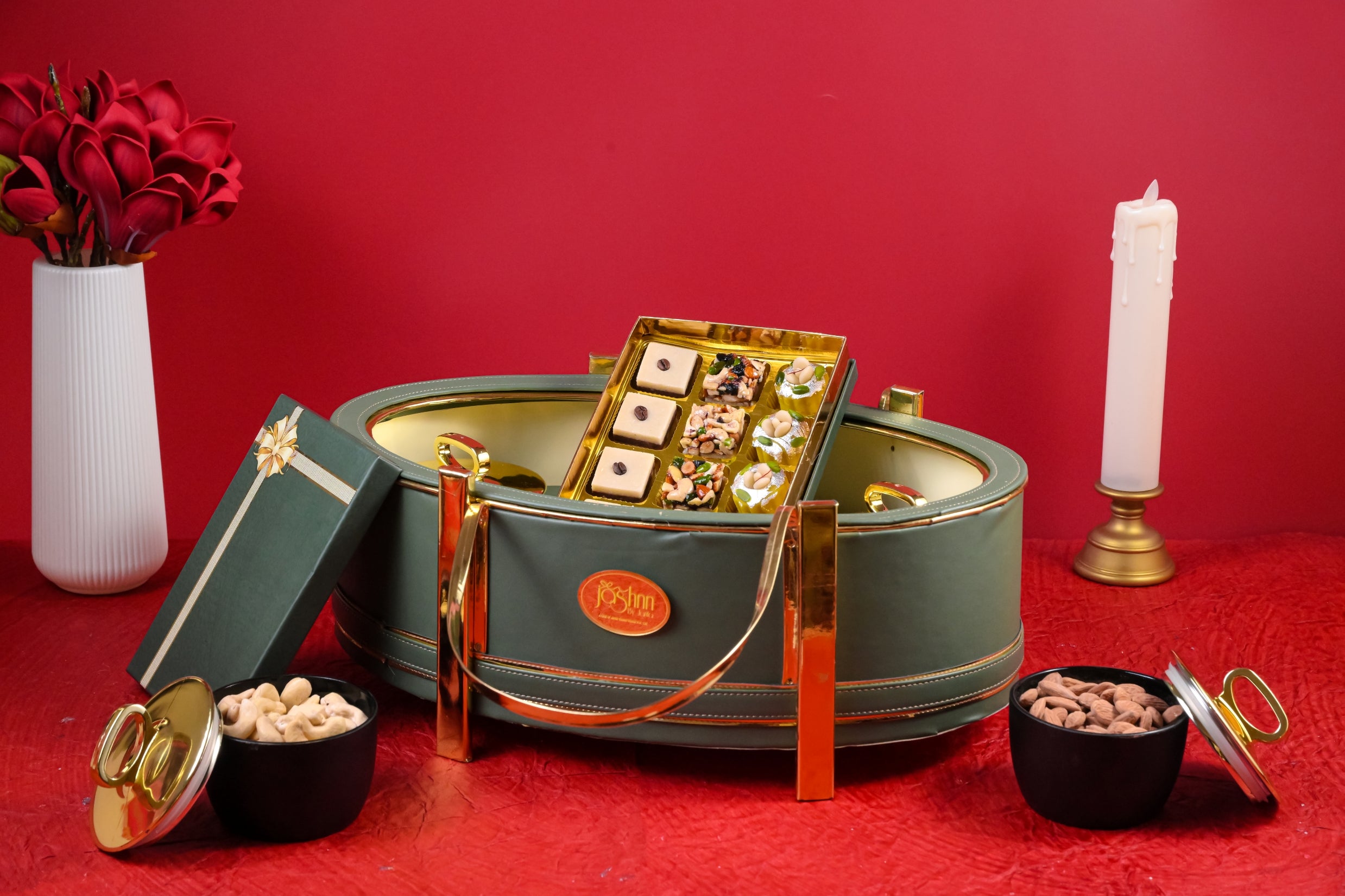
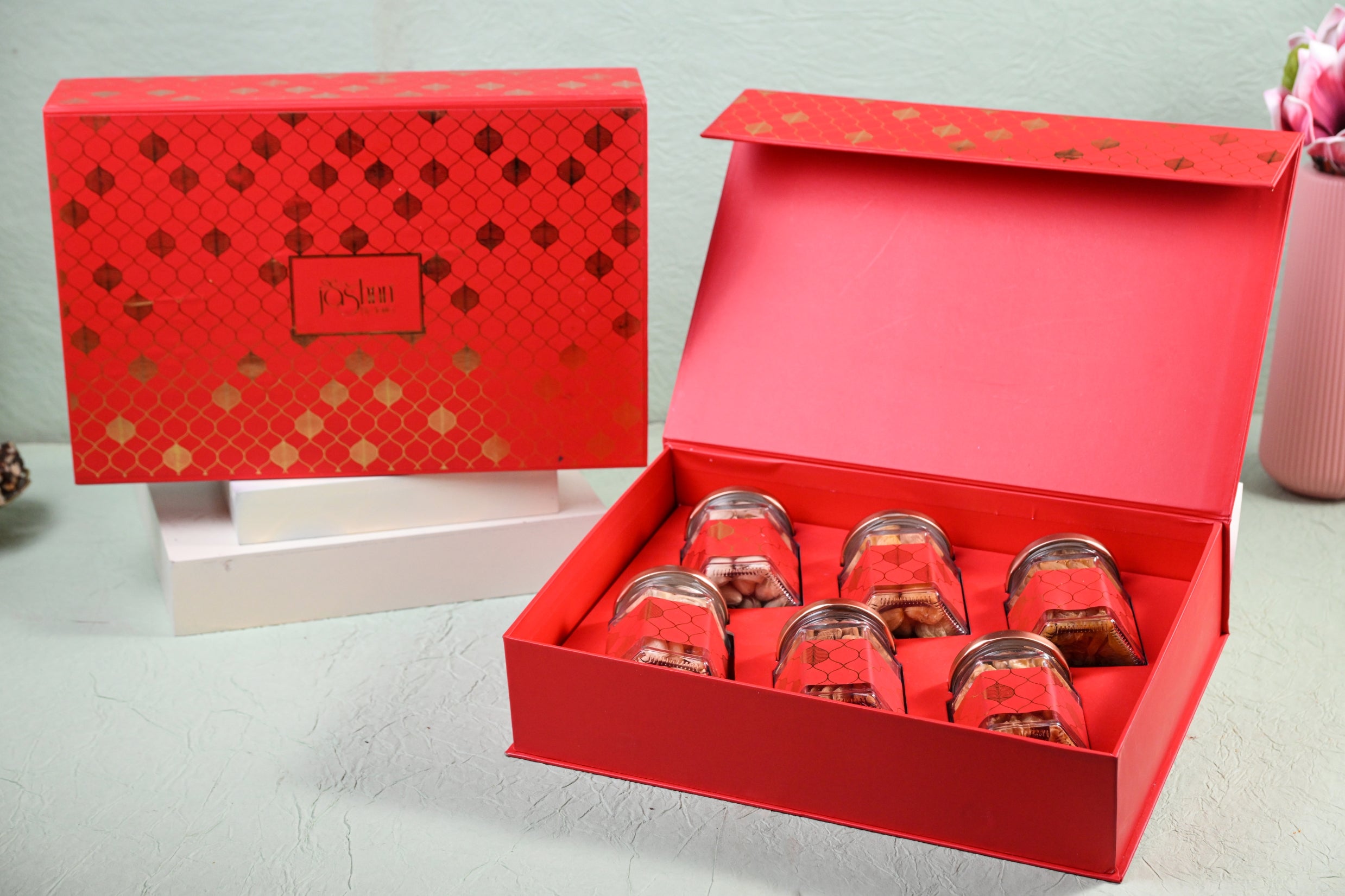
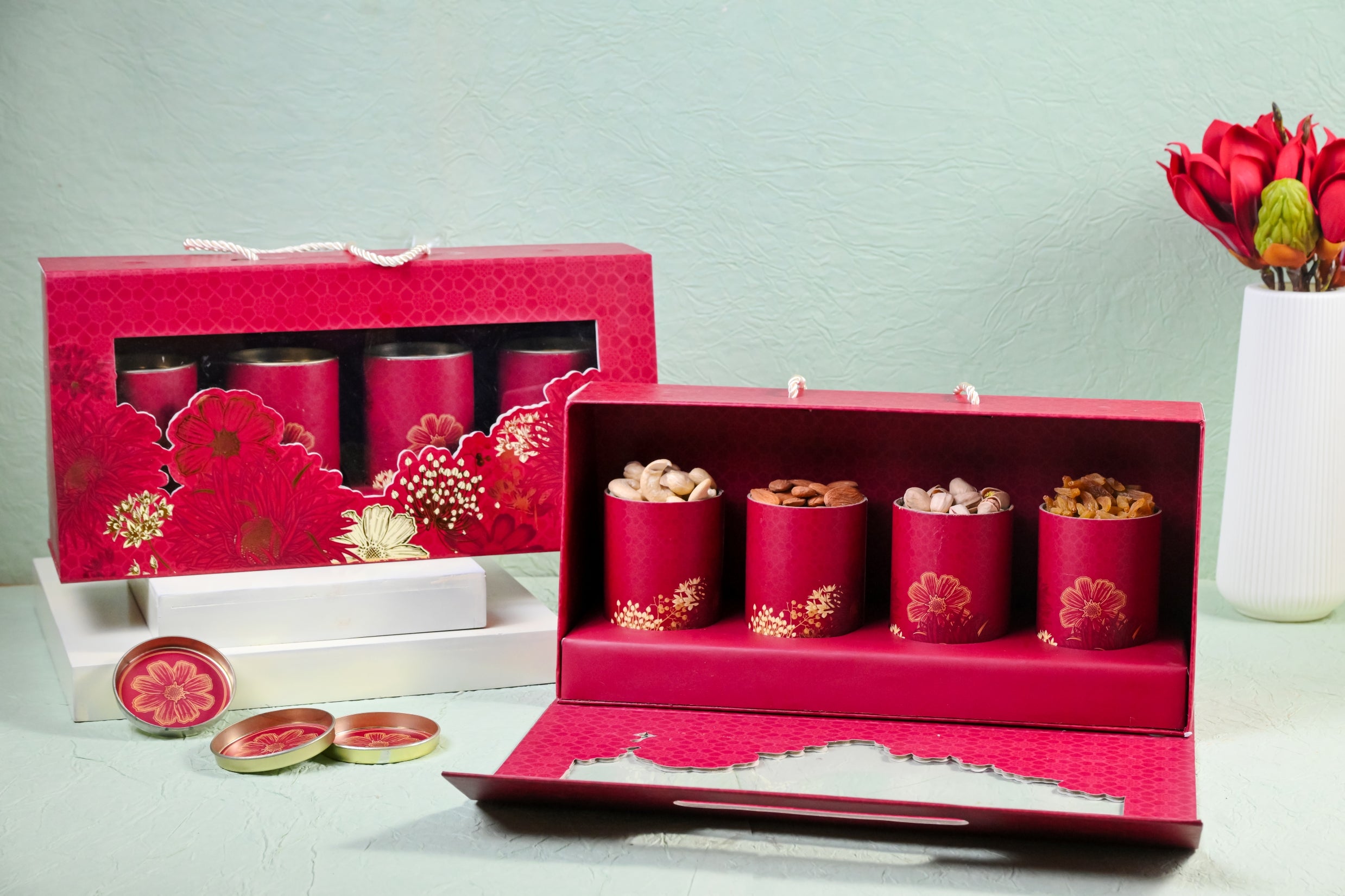
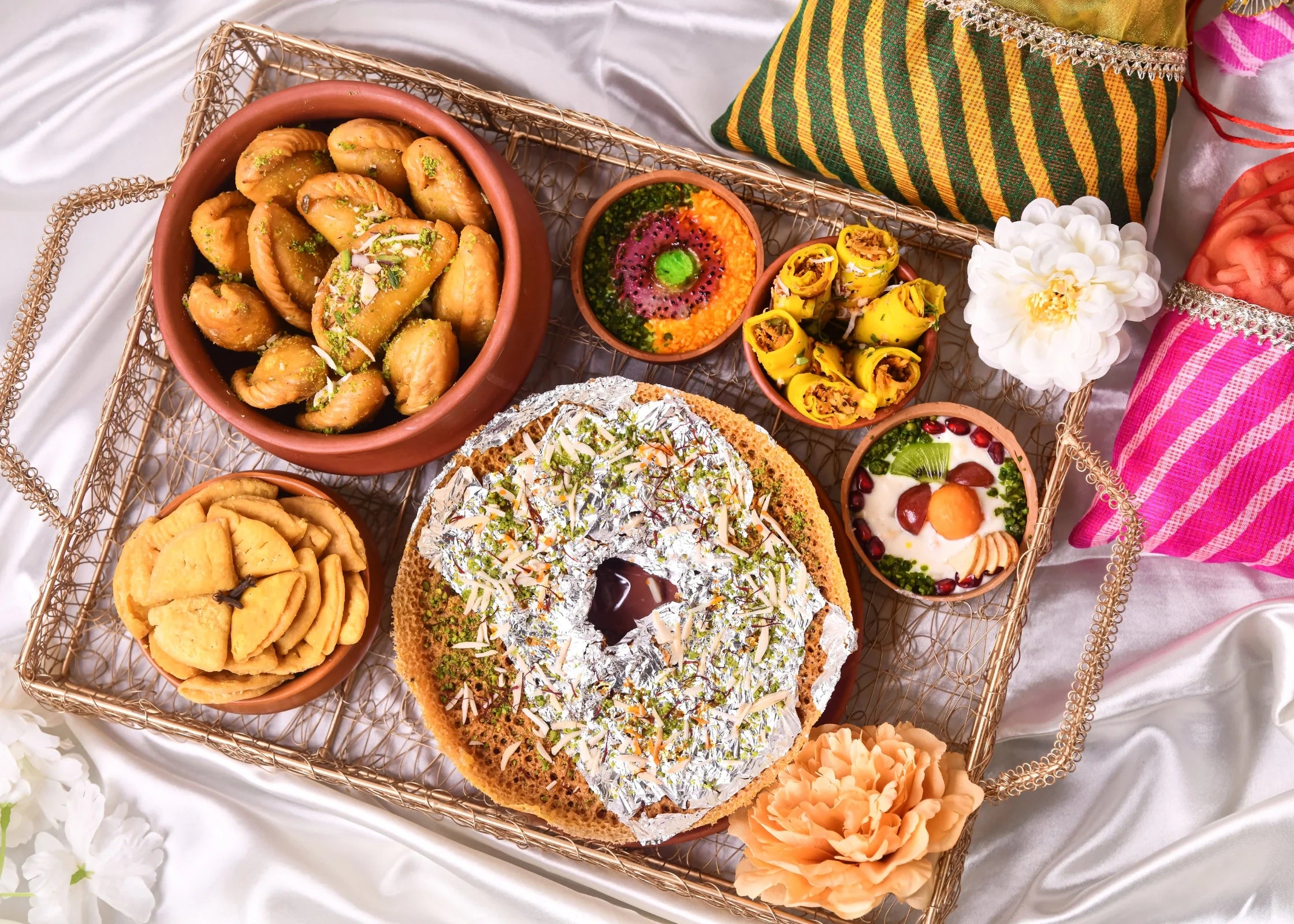
The fragrance of freshly roasted gram flour drifting through a narrow street, the rhythmic sound of a ladle moving through simmering milk, and the sight of silver-coated sweets carefully arranged behind a glass counter. For many of us, sweets are far more than indulgence. They are memories wrapped in sugar and tradition.
Across India, sweets have always held a special place in celebrations, festivals, weddings, and even everyday moments. A box of mithai is not merely food; it is a gesture of warmth, affection, and hospitality. Yet, as lifestyles have become faster and markets more commercialised, the world of sweets has changed dramatically. Today, alongside traditional sweet shops curating delicacies by hand like special hampers, supermarket shelves are lined with brightly packaged, factory-made alternatives designed for convenience and longer shelf life.
This shift has sparked an important conversation: what truly separates handmade sweets from mass-produced sweets?
At first glance, the difference may appear to be only about price or packaging. However, the contrast goes much deeper, touching upon ingredients, craftsmanship, flavour, freshness, nutrition, and even cultural authenticity. For consumers who are becoming increasingly conscious about what they eat, understanding these distinctions matters more than ever.
In this detailed guide, we explore the real difference between handmade and mass-produced sweets, helping you make informed choices for festive gifting, personal indulgence, and family celebrations.
What Are Handmade Sweets?
Handmade sweets are delicacies prepared manually using traditional techniques, often passed down through generations of skilled halwais and confectioners. Unlike factory-made products produced on assembly lines, handmade sweets are crafted in smaller batches with careful attention to texture, aroma, and flavour.
The process itself is deeply rooted in artistry. Whether it is kneading khoya to perfection for peda or patiently roasting flour for laddoos, handmade sweets require precision, experience, and patience, and actually all the love efforts.
Characteristics of Handmade Sweets
-
Fresh Ingredients
Handmade sweets are deeply rooted in the use of fresh, high-quality ingredients that bring out authentic flavours and aromas. Unlike mass-produced confectionery that often depends on preservatives and artificial flavouring, traditional handmade sweets are prepared using fresh milk, pure desi ghee, handpicked nuts, saffron strands, aromatic cardamom, jaggery, and seasonal produce. Many sweet makers source ingredients locally and prepare their sweets fresh every day, ensuring that every bite tastes rich, wholesome, and naturally flavourful. The freshness of these ingredients not only enhances the taste but also gives handmade sweets their signature softness, fragrance, and melt-in-the-mouth quality.
-
Traditional Preparation Methods
The beauty of handmade sweets lies in the traditional techniques passed down through generations. These recipes are often inspired by regional culinary heritage and family traditions, preserving authentic methods that machines cannot fully recreate. From slow-cooking milk for hours to achieve the perfect consistency to carefully roasting ingredients by hand for deeper flavour, every step requires patience, precision, and craftsmanship. Skilled artisans rely on experience and intuition rather than automated measurements, which allows each sweet to carry a unique character and homemade warmth. These age-old methods contribute to flavours that feel nostalgic, comforting, and deeply connected to culture.
-
Limited Production
Handmade sweets are typically produced in smaller batches, which allows artisans to maintain exceptional quality and attention to detail. Unlike factory-made sweets that prioritize speed and volume, handmade production focuses on care, consistency, and perfection in every piece. Smaller quantities mean that ingredients can be monitored closely, textures can be perfected, and flavours can be balanced with greater precision. This hands-on approach ensures that every sweet receives individual attention, resulting in superior freshness and a more premium experience for consumers. The limited production process also preserves the authenticity and exclusivity that handmade sweets are known for.
-
Rich Taste and Texture
One of the most distinctive qualities of handmade sweets is their rich taste and unique texture. Because they are crafted by hand rather than moulded by machines, slight variations in shape, texture, and appearance naturally occur — and these imperfections add to their authenticity and charm. Handmade sweets often have a softer bite, richer aroma, and deeper flavour profile that make them feel indulgent and satisfying. The careful roasting, stirring, and slow cooking techniques allow flavours to develop naturally, creating layers of sweetness and richness that are difficult to replicate through industrial production. Every piece feels thoughtfully made, offering a more personal and memorable culinary experience.
Popular Handmade Indian Sweets
India’s culinary heritage is filled with handcrafted sweet delicacies, including:
-
Kaju Katli
-
Motichoor Laddoo
-
Ghewar
-
Milk Cake
-
Peda
-
Mysore Pak
-
Balushahi
-
Soan Papdi is made traditionally every time.
Each region contributes its own signature craftsmanship, making handmade sweets a reflection of India’s diverse food culture.
What Are Mass-Produced Sweets?
Mass-produced sweets are manufactured in large quantities using automated machinery and industrial processes. These sweets are designed primarily for scalability, consistency, and longer shelf life.
Factories producing packaged sweets follow standardised recipes to ensure uniformity across every batch. While this approach supports large-scale distribution and affordability, it often changes the sensory and nutritional qualities of the final product.
Characteristics of Mass-Produced Sweets
Automated Manufacturing
Machines handle mixing, shaping, packaging, and processing, significantly reducing manual involvement.
Extended Shelf Life
To survive transportation and storage, many factory-made sweets contain preservatives, stabilisers, and artificial flavour enhancers.
Uniform Appearance
Every piece is designed to look identical, prioritising consistency over individuality.
Wide Availability
Mass-produced sweets are easily available in supermarkets, airports, retail chains, and online stores.
Examples of Mass-Produced Sweets
-
Vacuum-sealed gulab jamuns
-
Packaged rasgullas in tins
-
Factory-made barfis
-
Commercial chocolate-based mithai
-
Branded festive sweet boxes
These products are especially popular for convenience and large-scale festive demand.
Key Differences Between Handmade and Mass-Produced Sweets
Although both types satisfy a sweet craving, the differences between them are substantial.
-
Ingredient Quality
Perhaps the most significant distinction lies in the ingredients used.
Handmade sweets typically prioritise freshness and purity. Skilled sweet makers often use fresh khoya, real saffron, pure ghee, natural sweeteners, and handpicked nuts. Since production is smaller, maintaining ingredient quality becomes easier.
Mass-produced sweets, however, are built around scalability and shelf stability. To ensure products remain intact during transportation and extended storage, manufacturers may include preservatives, artificial essences, synthetic colours, emulsifiers, and stabilising agents.
As a result, the ingredient list for packaged sweets is often considerably longer than that of handmade alternatives.
-
Taste and Flavour
Taste is where handmade sweets truly distinguish themselves.
Traditional methods allow ingredients to develop flavour gradually. Slow roasting, careful caramelisation, and manual mixing create complexity that cannot easily be replicated through industrial shortcuts.
Handmade sweets often have:
-
Richer aroma
-
Softer textures
-
Balanced sweetness
-
Distinct regional flavour profiles
Mass-produced sweets prioritise consistency instead. While they may taste pleasant, the flavour is usually more standardised and less nuanced.
For many people, the difference becomes immediately noticeable in classics such as laddoo, peda, or milk cake, where texture and freshness play a crucial role.
-
Freshness
Freshness dramatically influences the quality of sweets.
Handmade sweets are usually prepared in smaller batches and sold quickly, meaning consumers enjoy them at their peak flavour and texture.
Mass-produced sweets are engineered for a longer shelf life. This often requires packaging technology and preservatives that inevitably affect freshness.
A freshly made kaju katli from a traditional sweet shop melts differently in the mouth compared to a packaged version that has spent weeks in transit and storage.
-
Craftsmanship and Cultural Value
Handmade sweets carry a cultural and emotional dimension that industrial production cannot easily imitate.
The preparation of traditional mithai is deeply connected to Indian heritage. Recipes are refined over decades, sometimes centuries, and often reflect regional customs and festive rituals.
In contrast, factory-made sweets focus largely on efficiency and market demand. While this makes sweets more accessible, it can dilute the authenticity associated with traditional confectionery.
Buying handmade sweets often supports local artisans and family-run sweet shops that preserve these culinary traditions.
-
Nutritional Considerations
Neither handmade nor mass-produced sweets should be viewed as health foods, but there are still nutritional differences worth noting.
Handmade sweets may contain:
-
Fewer additives
-
More natural ingredients
-
Lower dependence on artificial preservatives
Mass-produced sweets may include:
-
Refined stabilisers
-
Artificial flavouring
-
Excessive sugar for preservation
-
Hydrogenated fats in some cases
Consumers increasingly concerned about clean eating often gravitate towards handcrafted sweets for this reason.
-
Appearance and Consistency
Mass-produced sweets excel in uniformity. Every piece looks identical, making them visually appealing for retail shelves and large-scale gifting.
Handmade sweets, meanwhile, may vary slightly in shape, colour, or texture. Interestingly, these subtle imperfections are often signs of authenticity rather than flaws.
The human touch naturally introduces variation — and many consumers now appreciate this as part of the artisanal experience.
Why Handmade Sweets Are Becoming Popular Again?
In recent years, handmade sweets have witnessed a remarkable resurgence in popularity, particularly among consumers seeking authenticity, quality, and meaningful culinary experiences. While mass-produced confectionery once dominated the market due to convenience and accessibility, modern buyers are now rediscovering the charm of traditionally prepared sweets crafted with care, heritage, and genuine ingredients. This growing appreciation reflects a wider shift in consumer behaviour towards mindful eating, artisanal products, and cultural preservation.
-
Growing Preference for Authentic Food
Today’s consumers are increasingly drawn towards food that feels authentic and emotionally connected to tradition. In an era where industrial production often prioritises speed and uniformity, handmade sweets offer something far more personal and distinctive. Every handcrafted mithai carries a sense of craftsmanship, regional identity, and cultural storytelling that factory-made products often lack.
People now value food that appears genuine, locally produced, and rooted in heritage. Handmade sweets fulfil this expectation beautifully by preserving age-old recipes and preparation techniques that have been passed down through generations. Whether it is freshly rolled laddoos, slow-cooked barfis, or delicately layered sweets prepared by skilled artisans, these products evoke nostalgia and familiarity, creating a deeper emotional connection with consumers.
-
Increased Awareness About Ingredients
Another major reason behind the renewed popularity of handmade sweets is the growing awareness surrounding ingredients and food quality. Modern consumers are paying closer attention to what they consume, carefully reading labels and avoiding products filled with artificial additives, preservatives, and synthetic flavourings.
Health-conscious families, in particular, are becoming more selective about their food choices. Handmade sweets often stand out because they are freshly prepared using recognisable ingredients such as pure ghee, nuts, saffron, jaggery, cardamom, and fresh milk. The absence of excessive processing and chemical preservatives makes these sweets appear more trustworthy and wholesome.
Additionally, many artisanal sweet makers are adapting to changing dietary preferences by offering refined sugar-free options, organic ingredients, and healthier variations without compromising on traditional flavours. This balance between indulgence and mindful consumption strongly appeals to contemporary buyers.
-
Evolution of Premium Gifting Trends
Festive gifting habits have also evolved significantly in recent years. Consumers no longer view sweets merely as obligatory gifts; instead, they seek products that create memorable and luxurious experiences. As a result, handcrafted mithai boxes have emerged as highly desirable gifts during festivals, weddings, and corporate celebrations.
Elegant packaging, gourmet flavour combinations, and beautifully curated assortments elevate handmade sweets into premium gifting products. Consumers appreciate the thoughtfulness and exclusivity associated with artisanal confectionery, particularly during occasions such as Diwali and family celebrations. Handmade sweets communicate warmth, effort, and sophistication in a way that generic packaged products often fail to achieve.
-
Supporting Local Businesses and Culinary Heritage
The growing popularity of handmade sweets is also closely linked to the increasing desire to support local businesses and preserve traditional craftsmanship. Consumers today are more conscious about where their purchases originate and how they impact communities.
By choosing handmade sweets, people contribute towards sustaining family-run sweet shops, regional artisans, and local economies. More importantly, this support helps protect traditional recipes and culinary practices that industrialisation and large-scale manufacturing frequently threaten. In many ways, buying handmade sweets is not merely a purchasing decision; it is an effort to celebrate culture, heritage, and the artistry of traditional food-making.
As consumers continue to seek authenticity, quality, and meaningful experiences, the demand for handmade sweets is likely to grow even further, reinforcing their timeless appeal in modern markets.
Which Is Better for Festivals and Gifting?
The answer depends largely on the purpose.
-
Handmade Sweets for Premium Occasions
For weddings, close family celebrations, and festive gifting, handmade sweets often create a more memorable experience. Their freshness, richness, and authenticity add emotional value to the gesture.
A beautifully prepared box of handcrafted mithai feels personal and celebratory.
-
Mass-Produced Sweets for Bulk Requirements
For large corporate events, travel-friendly gifting, or situations requiring extended storage, mass-produced sweets may be more practical and economical.
-
Factors to Consider Before Buying
When choosing between handmade and factory-made sweets, consider:
-
Freshness requirements
-
Budget
-
Shelf life
-
Occasion
-
Ingredient quality
-
Packaging needs
The ideal choice often depends on balancing authenticity with practicality.
How to Identify High-Quality Handmade Sweets?
Not all sweets labelled “handmade” necessarily offer superior quality. Here are some indicators to look for:
Check Ingredient Transparency
Reputable sweet makers are usually transparent about ingredients, preparation methods, and freshness.
Observe Aroma and Texture
Fresh handmade sweets typically have:
-
Natural fragrance
-
Softer textures
-
Richer mouthfeel
-
Balanced sweetness
Artificially flavoured sweets often smell overly synthetic or excessively sugary.
Buy from Trusted Sweet Shops
Established sweet shops with strong reputations generally maintain better quality standards and consistency.
Verify Freshness
Always check preparation dates, especially during festivals when demand surges and inventory turnover becomes rapid.
Fresh sweets should never feel overly dry, oily, or hardened.
Are Handmade Sweets Worth the Higher Price?
For many consumers, the answer is yes.
The higher cost of handmade sweets reflects:
-
Skilled labour
-
Time-intensive preparation
-
Premium ingredients
-
Smaller batch production
-
Traditional craftsmanship
Beyond flavour, handmade sweets also deliver emotional and cultural value. They connect people to heritage, nostalgia, and celebration in a way that mass-produced products rarely achieve.
When prepared well, handcrafted sweets transform from simple desserts into experiences.
Conclusion
The debate between handmade and mass-produced sweets is ultimately about more than convenience versus tradition. It reflects changing consumer values around authenticity, craftsmanship, health consciousness, and cultural preservation.
Mass-produced sweets undoubtedly offer practicality, affordability, and accessibility. They suit modern lifestyles where convenience matters greatly.
Yet handmade sweets continue to hold a unique emotional and culinary appeal. Their freshness, depth of flavour, artisanal preparation, and cultural authenticity create an experience that industrial production struggles to replicate.
In a world increasingly driven by speed and standardisation, handmade sweets remind us that some traditions are worth preserving one carefully crafted bite at a time.
Frequently Asked Questions – FAQs
What are handmade sweets?
Handmade sweets are crafted in small batches using traditional techniques and carefully selected ingredients. They are often prepared by skilled confectioners who focus on flavour, texture, and presentation rather than large-scale production.
How are mass-produced sweets different?
Mass-produced sweets are made using automated machinery in large quantities. The process is designed for speed, consistency, and longer shelf life, allowing products to be distributed widely across supermarkets and retail stores.
Do handmade sweets taste different from factory-made sweets?
Yes, handmade sweets often have a fresher and richer taste because they are usually made with high-quality ingredients and fewer preservatives. Their texture and flavour can feel more authentic and unique.
Why are handmade sweets more expensive?
Handmade sweets require more time, skilled labour, and premium ingredients. Since they are produced in smaller batches, the overall production cost is higher compared to factory-made sweets.
Are mass-produced sweets lower in quality?
Not necessarily. Mass-produced sweets maintain consistent quality and are made under strict manufacturing standards, though they may include preservatives or artificial flavouring to improve shelf life.
Which type is best for gifting?
Handmade sweets are often preferred for gifting because of their artisanal appearance, premium packaging, and personalised touch.


