

Cart
0
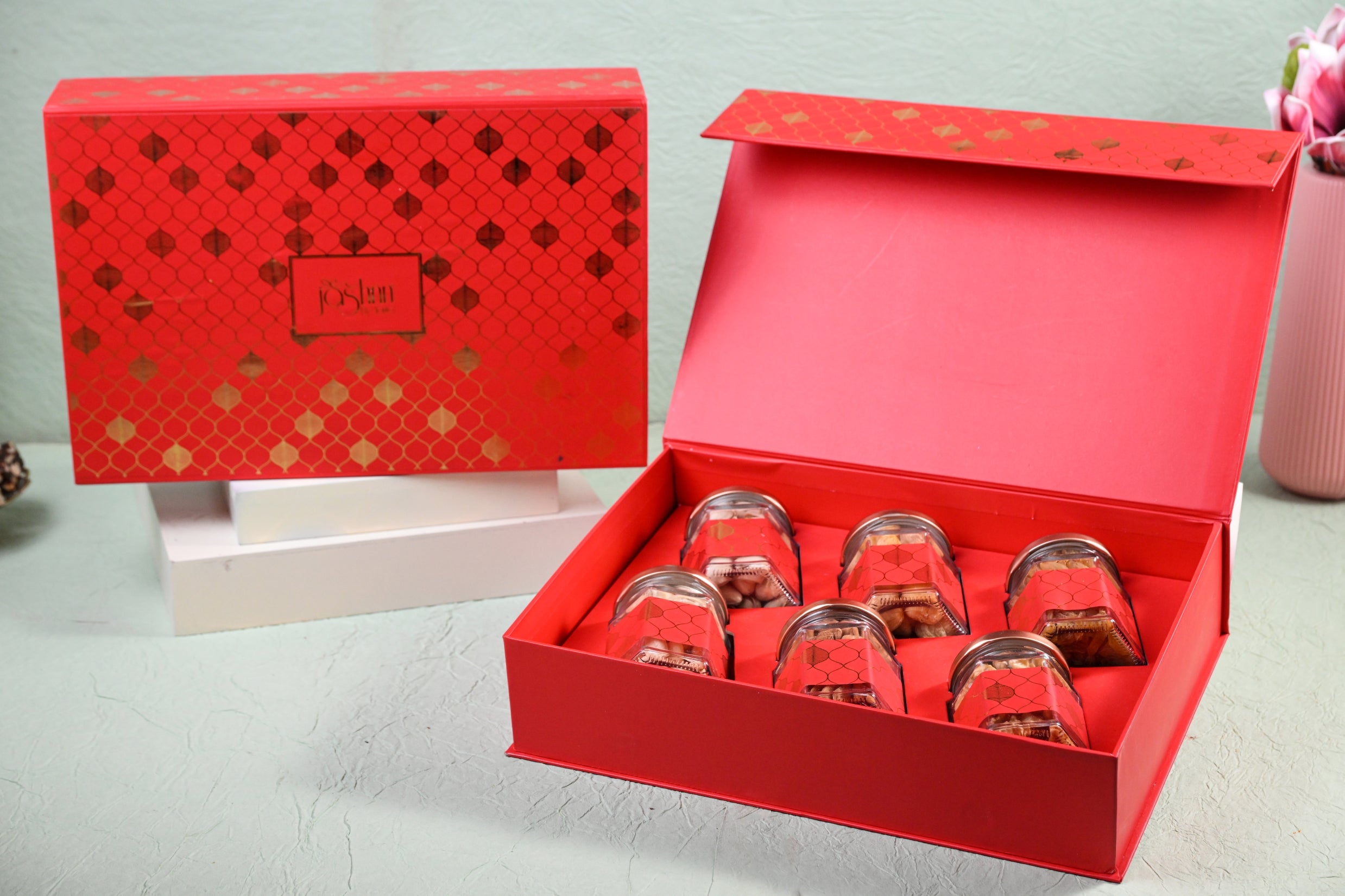
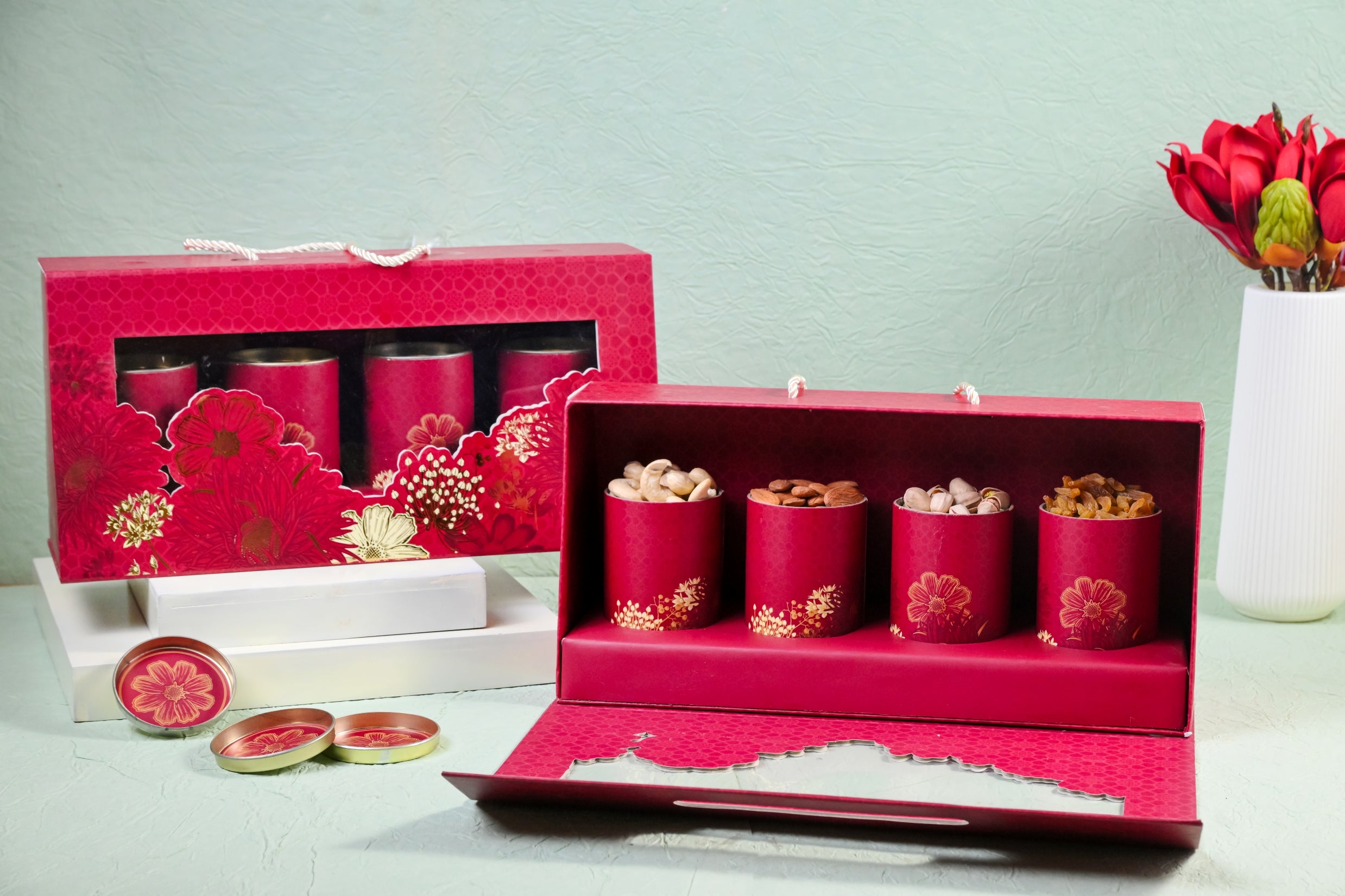
Ten years ago, the Diwali gifting conversation was often:
“Kya bhejna hai?”
What should we send?
Today, the more interesting question is:
“Aisa kya bhejein jo unhe yaad rahe?”
What can we send that they will actually remember?
That one change explains a lot about modern Diwali gifting.
A box is no longer only a container for sweets.
It is presentation.
Taste.
Personality.
Thoughtfulness.
Sometimes even brand identity.
Before the recipient eats anything, the gift has already said something about the sender.
Which is why the modern Diwali box has quietly become a kind of visiting card.
And with Diwali falling on November 8 in 2026, October is when that decision-making begins.
We Have Entered the Era of the Unboxing
There was a time when the most important question about a mithai box was:
What's inside?
Today there is another question before that:
What does it feel like to open?
The texture of the box.
The typography.
The ribbon.
The arrangement.
The card.
The first reveal.
None of these replaces the food.
If the mithai isn't good, beautiful packaging only delays disappointment.
But when excellent food and thoughtful presentation meet, the gift becomes an experience.
This is why premium gifting has grown more design-conscious.
People are not only sending products.
They are creating a moment of discovery.
Bigger Is No Longer Automatically Better
Festive gifting spent years equating premium with abundance.
Larger box.
More compartments.
More products.
More decoration.
More gold.
More everything.
But contemporary luxury is moving in another direction.
Curation.
A smaller selection of genuinely good things can feel more premium than an enormous hamper filled simply to occupy space.
This is the same shift visible across fashion, interiors and hospitality.
Confidence does not always need to shout.
A refined Diwali gift can say:
We chose these things deliberately.
Nothing is here merely because there was an empty compartment.
Quiet Luxury Has Entered Indian Gifting
“Quiet luxury” became a major aesthetic conversation in fashion, but its underlying idea translates beautifully to festive gifting.
Fewer decorative elements.
Better materials.
Sophisticated typography.
Restrained colours.
Attention to detail.
Products that speak for themselves.
For Indian gifting, however, restraint should not mean losing warmth.
Diwali is not a beige corporate conference.
It is light.
Family.
Celebration.
Generosity.
The opportunity is to balance the two:
Indian festivity without visual chaos.
That is a powerful design territory for Jasshn.
Your Gift Is Saying Something About You
Imagine receiving three corporate Diwali gifts.
The first has a huge logo across everything.
The second contains fifteen unrelated products.
The third is beautifully curated, includes a thoughtful note, carries subtle personalisation and gives you something you genuinely want to eat.
Which company do you remember?
That is why gifting is a branding exercise whether the sender intends it or not.
A gift can communicate:
Taste.
Generosity.
Attention.
Creativity.
Cultural awareness.
Or, unfortunately:
“Procurement finalised this yesterday.”
The recipient can usually tell.
The Death of the Generic Hamper
Not literally.
Generic hampers will always exist because convenience matters.
But memorable gifting increasingly requires a point of view.
Why these sweets?
Why this combination?
Why this packaging?
Why is this right for this person?
A hamper becomes more meaningful when the answer is stronger than:
“Because these six things fit inside the box.”
This is where curation becomes storytelling.
Regional Is Becoming Premium Again
For years, premium gifting sometimes meant making everything feel international.
Imported chocolates.
Western desserts.
Generic luxury aesthetics.
Those still have a place.
But something interesting has happened.
Regional Indian food has regained prestige.
A beautifully presented traditional mithai can feel more distinctive than another predictable box of imported confectionery.
A Jodhpuri speciality sent to someone in Mumbai or Bengaluru has a story.
A seasonal Indian sweet has context.
A regional savoury creates conversation.
Local is no longer the opposite of luxury.
When presented intelligently, local can be the reason something feels exclusive.
For Janta, this is a major advantage.
Jodhpur is not simply where the brand is located.
It is part of the flavour vocabulary.
The Best Diwali Gift Might Contain Something They Recognise
Novelty gets attention.
Familiarity creates comfort.
The best festive hampers often understand both.
Include something surprising.
But anchor the experience with something the recipient immediately understands.
Kaju Katli.
A traditional laddoo.
A regional speciality.
A favourite savoury.
Something that makes them say:
“Oh, I love this.”
That reaction is valuable.
The gift does not need to educate the recipient before they can enjoy it.
Personalisation Has Moved Beyond Printing a Name
Putting someone's name on a box is personalisation.
But it is the most obvious form.
Deeper personalisation asks:
What do they actually like?
Where are they from?
Is this for a family or an individual?
Do they prefer sweet or savoury?
Is the relationship formal or close?
Does the gift need to travel?
Would regional food mean something to them?
Should the branding be prominent or discreet?
A truly personalised hamper can look completely unpersonalised on the outside.
The thought is in the selection.
Corporate Diwali Gifting Has a Logo Problem
Corporate gifts understandably need to identify the sender.
But there is a difference between branding a gift and turning the gift into merchandise.
If the recipient feels they have received an advertisement, emotional value falls immediately.
A more sophisticated approach uses branding as a signature.
A tasteful sleeve.
A card.
A subtle mark.
A personalised message.
Let the gift feel like a gift first.
Let the brand receive credit second.
Ironically, subtle branding can make the sender more memorable because it communicates confidence.
Stop Sending Things People Don't Want
This sounds obvious.
Yet gifting regularly ignores it.
Novelty objects.
Decorative items with no place in the recipient's home.
Generic merchandise.
Products selected because they look impressive in a catalogue rather than because anyone wants them.
Food has one enormous advantage:
It can disappear.
And that is a compliment.
A great mithai box does not become clutter.
It becomes an evening.
It gets opened.
People gather.
Everyone chooses something.
Someone takes the last piece.
The gift completes its purpose.
The Best Packaging Has a Second Life — or Knows When to Leave
Premium packaging creates a tension.
Beautiful boxes feel valuable.
But excessive packaging can also become waste.
A thoughtful gifting strategy therefore asks whether the package has a useful second life or whether it can achieve premium presentation without unnecessary material.
Reusable rigid boxes can become storage.
Well-designed smaller formats can reduce excess.
The goal should not be to create the heaviest box.
It should be to create the most considered one.
Instagram-Worthy vs Actually Worth Receiving
There is nothing wrong with photogenic gifting.
Diwali is visual.
People enjoy sharing beautiful things.
But there is a dangerous point where a hamper is designed entirely for the photograph.
The bow is perfect.
The products are colour coordinated.
The box looks extraordinary.
Then nobody wants half the things inside.
The best gifting works in both worlds.
It photographs beautifully.
And five minutes after the photograph, people actually want to eat it.
Mithai Still Has an Advantage No Trend Can Replace
Despite all the changes in festive gifting, traditional mithai continues to work.
Why?
Because Diwali is not a neutral occasion.
It already has an emotional vocabulary.
Light.
Home.
Family.
New beginnings.
Visiting.
Sharing.
Sweetness belongs naturally within that vocabulary.
You do not have to explain why you sent mithai for Diwali.
The recipient already understands.
The innovation can therefore happen around it:
The curation.
The presentation.
The combinations.
The personalisation.
The story.
From Janta to Jasshn
This is where the relationship between Janta Sweet Home and Jasshn becomes particularly interesting.
Janta brings the credibility of familiar flavours and a relationship with food built across generations.
Jasshn can take that emotional foundation and translate it into a contemporary gifting experience.
Not tradition versus modernity.
Tradition, presented for today.
A classic mithai can sit inside contemporary packaging.
A Jodhpuri speciality can become a premium corporate gift.
A family favourite can be curated into an elegant wedding or festive hamper.
The flavour remembers where it came from.
The presentation understands where it is going.
Before Choosing a Diwali Hamper, Ask These Five Questions
Not:
“How many items can we fit?”
Instead:
1. Who is receiving this?
A client, employee, friend and close family member should not automatically receive the same thing.
2. What will they actually enjoy?
Design matters. Consumption matters more.
3. Is there a story?
Regionality, tradition, seasonality or thoughtful curation can give the gift identity.
4. Is our branding tasteful?
The recipient should feel appreciated, not advertised to.
5. Will they remember it after Diwali?
That is the real test.
The New Luxury Is Thoughtfulness
Anyone can add another product.
Thoughtfulness requires editing.
Remove the thing nobody wants.
Choose the better mithai.
Add the regional speciality.
Write the personal note.
Make the box easier to open.
Use branding with restraint.
Think about what happens after it arrives.
That is what turns gifting from procurement into hospitality.
This Diwali, Don't Just Send a Box
Send something that represents you well.
Something people want to open.
Something the family gathers around.
Something with enough familiarity to feel festive and enough personality to feel chosen.
Because the most memorable Diwali gift is rarely the one with the highest number of items.
It is the one that makes the recipient think:
“They actually thought about this.”
That is the opportunity for modern Indian gifting.
Not replacing tradition.
Refining it.
Not making mithai less Indian.
Making its Indianness part of the luxury.
And not simply sending another Diwali box—
but sending a little Jasshn before the celebration even begins.
Frequently Asked Questions
When is Diwali in 2026?
Diwali/Lakshmi Puja falls on Sunday, November 8, 2026, according to the referenced Rajasthan festival calendar.
What makes a Diwali gift feel premium?
Quality products, thoughtful curation, refined packaging, useful personalisation and attention to the recipient generally create a stronger premium experience than simply increasing the number of items.
Are mithai hampers suitable for corporate Diwali gifting?
Yes. Traditional mithai can work particularly well for corporate gifting when freshness, presentation, recipient preferences, delivery logistics and subtle branding are considered.
How should a company personalise Diwali gifts?
Personalisation can include recipient-specific selections, cards, sleeves, names, regional products or thoughtful combinations rather than relying only on prominent logo placement.
What can be included in a premium Diwali hamper?
Depending on the recipient, a hamper can combine premium mithai, regional specialities, dry fruits, savouries, chocolates and other carefully selected festive products.


