

Cart
0
Diwali has an official date. Indian families have their own starting signal.
It might be the first message in the family WhatsApp group: ‘Is baar sab kab aa rahe ho?’
It might be the moment someone takes out last year's decorations. Or when the house suddenly develops a cleaning schedule nobody remembers agreeing to.
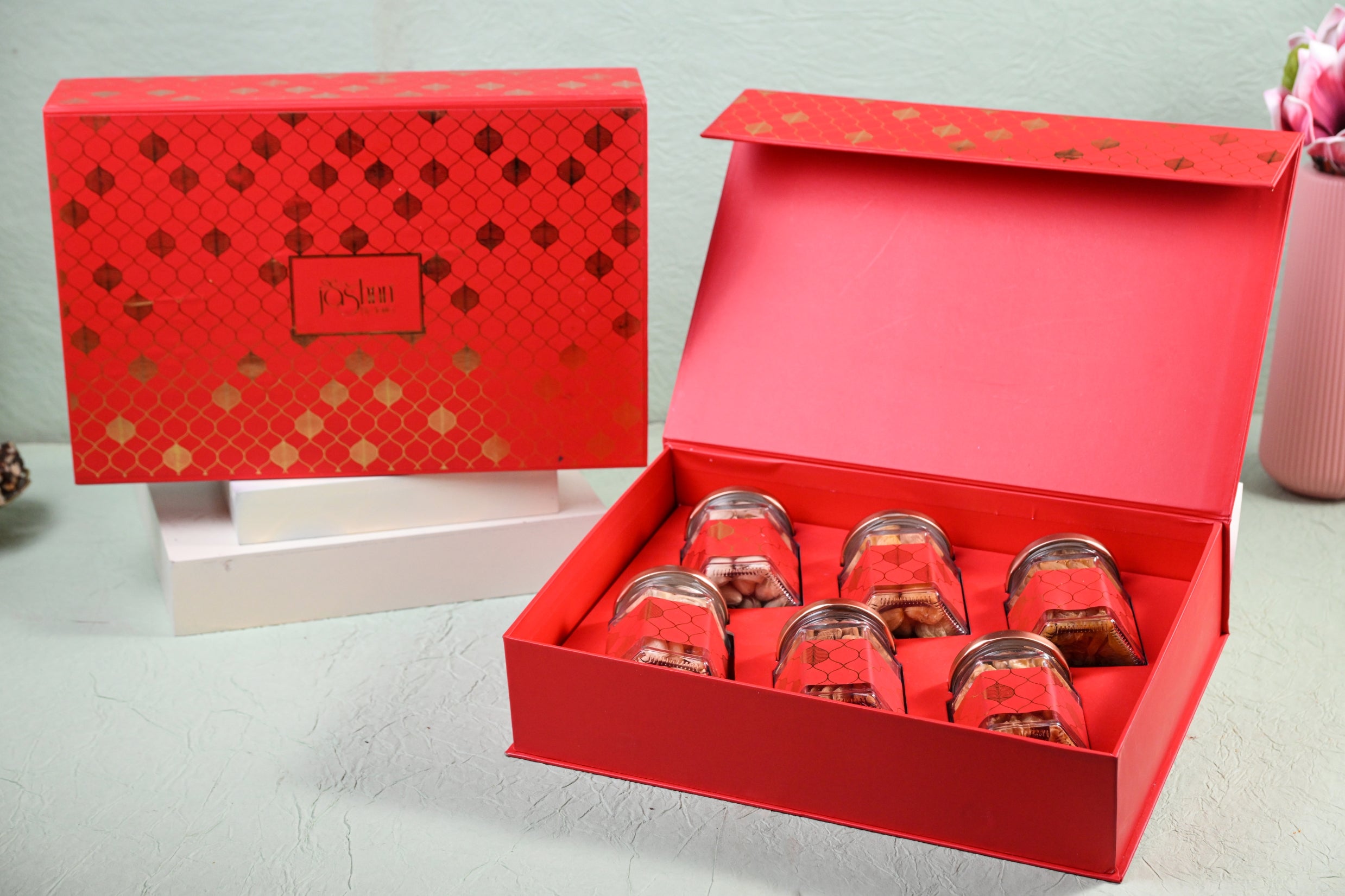
Sometimes the signal is even simpler: the first festive mithai box appears on the dining table, and everyone knows the season has begun.
The countdown is not just preparation. In many homes, it is half the celebration.
Stage One: The Family WhatsApp Group Wakes Up
For much of the year, the family group circulates greetings, forwards and the occasional blurry photograph. Then festival season arrives, and it becomes a planning headquarters.
‘Who is coming?’ ‘What time is the puja?’ ‘Did you book tickets?’ ‘Which day are we meeting?’
There are polls nobody answers, decisions nobody remembers and at least one relative who announces their arrival after the plan is final.
But beneath the chaos is something lovely: people are making room for one another.
Stage Two: The Great Cleaning Negotiation
Every Indian home seems to have a moment when Diwali cleaning becomes unavoidable.
Cupboards are opened. Forgotten objects are rediscovered. Someone finds last year's lights tangled beyond repair. Someone else insists the old boxes may still be useful.
The funny part is that the house begins to change before a single diya is lit. Clearing space becomes a physical way of saying that something special is coming.
Even those who complain about the cleaning often love the feeling when everything is finally ready.
Stage Three: “Iss Baar Kya Naya Karen?”
Festivals thrive on familiar rituals, yet every year someone wants one small change.
A different rangoli. New lights. A fresh outfit. A new family photograph. A better way to arrange the gifts.
This is the balance that keeps Diwali interesting: we want it to feel exactly like Diwali, but we also want this year's Diwali to feel like ours.
Food follows the same pattern. Traditional favourites stay, while a new savoury, sweet or gift assortment joins the table.
The Shopping List That Keeps Growing
A Diwali shopping list begins confidently with a few essentials. Then it expands.
Something for the puja. Something for the house. Something for guests. Something for the office. Something for the relatives who might drop by. Something for the people you almost forgot.
And inevitably, someone says, ‘Mithai extra le lena. Koi bhi aa sakta hai.’
The list is not simply about products. It is a map of the relationships that make the festival meaningful.
Why the First Mithai Box Feels Like a Starting Bell
There is a particular energy when the first festive sweet box arrives before Diwali.
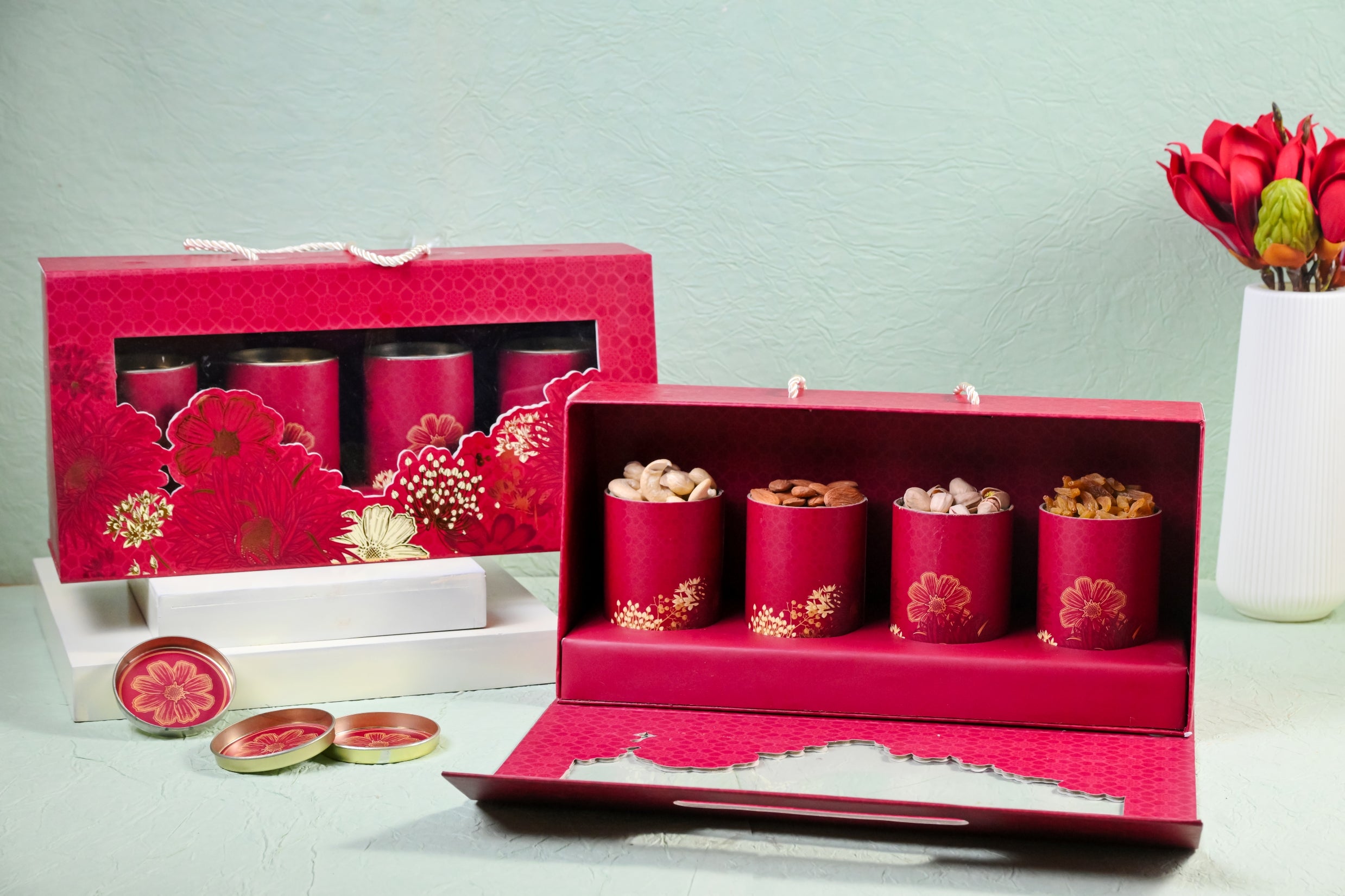
It may be a gift from a colleague, something brought home after shopping or a box purchased for visitors. The lid opens and suddenly the house has a festive centrepiece.
Nobody needs a formal announcement. People gather, ask what's inside and negotiate favourites.
That small shared moment can make the festival feel real long before the main day.
The Unexpected Guest Season
Festive calendars rarely survive contact with actual relatives.
Someone drops by on their way home. Neighbours visit for ten minutes and stay for an hour. A friend arrives with a box and leaves with a plate of snacks.
This is why sweets and savouries are so closely connected with Indian hosting. They turn an ordinary visit into an occasion without requiring a complicated menu.
In Jodhpur, regional favourites can also become a point of pride when out-of-town guests arrive.
Outfit Decisions Are a Group Project
There is always one person who plans their festive look weeks ahead and another who remembers the day before.
The conversation travels from shopping to tailoring to jewellery to ‘Are we all wearing the same colour?’
Photographs are planned. Then real life happens: someone blinks, someone moves, and a child escapes the frame.
These imperfect moments become the photographs everyone laughs about next year.
The Office Countdown Has Its Own Personality
At work, the festival arrives through desk decorations, team plans, holiday schedules and the annual conversation about gifts.
A corporate gift can feel routine when selected without thought. But a well-chosen edible gift creates a shared experience: a team opens it, people compare favourites and something gets passed around the office.
That is why the best festive gifting should consider what happens after the box is delivered, not only how it looks when handed over.
From Festival Prep to Festival Content
Today, the countdown is documented almost as much as the celebration itself.
A reel of the decorations going up. A photograph of the rangoli in progress. A story of the mithai selection. A family group selfie before everyone is ready.
But there is a reason these posts connect: the build-up is relatable. Almost everyone recognises the excitement, small disagreements and happy chaos.
The trend is not merely to show a perfect festival. It is to show the moments that make it feel lived-in.
The Jodhpur Version of the Countdown
Every city has its own festive rhythm, and Jodhpur brings distinctive flavours to the table.
For families here, a local sweet or savoury can be as much a part of the season as the lights and decorations. A familiar Janta Sweet Home box may be opened for visitors, carried to a family gathering or shared at home after a long day of preparation.
The role of a heritage food brand is not to manufacture the emotion. It is to be ready for the moments in which people already want to share something good.
And Then, Suddenly, It Is Diwali
After weeks of lists, errands, messages and small preparations, the day finally arrives.
The lights are on. The house is full. Someone is still looking for the matches. Somebody is arranging the sweets. Someone else has already eaten the piece they were told to save.
For a moment, everything that felt chaotic becomes a memory in progress.
And when the festival ends, what people remember is rarely the exact order in which things were completed.
They remember who came home. Who made everyone laugh. What they ate together. What was shared.
The Best Part of Diwali May Be Everything Before It
Perhaps the countdown is so enjoyable because anticipation gives ordinary days a festive purpose.
A shopping trip becomes a family outing. A box of sweets becomes a reason to gather. A casual visit becomes an evening worth remembering.
At Janta Sweet Home, that is the part of the season worth celebrating too—not only the grand day, but the small moments leading up to it.
So when someone asks, ‘Diwali kab hai?’ there is the calendar answer.
And then there is the answer every Indian household understands:
‘Bas, shuru ho gayi.’
Frequently Asked Questions
When should I start preparing for Diwali?
The ideal timeline depends on travel, shopping, home preparation and gifting needs. Many families begin planning several weeks before the festival.
What makes pre-Diwali celebrations special?
Family planning, home preparations, visiting, festive food and the anticipation of meeting loved ones all contribute to the build-up.
What sweets and snacks work for festive guests?
A mix of traditional mithai and savouries works well; choose based on freshness, preferences and your household traditions.
How can corporate Diwali gifts feel more thoughtful?
Choose products recipients will enjoy, keep branding tasteful and consider presentation, sharing and delivery logistics.


