

Cart
0
Introduction
In India, mangoes are more than just a fruit; they are an emotion. Fondly called the “King of Fruits,” mangoes hold a special place in Indian culture, cuisine, and memories. From childhood summers spent devouring juicy slices to family gatherings centred around aamras and puris, mangoes symbolise warmth, joy, and indulgence.
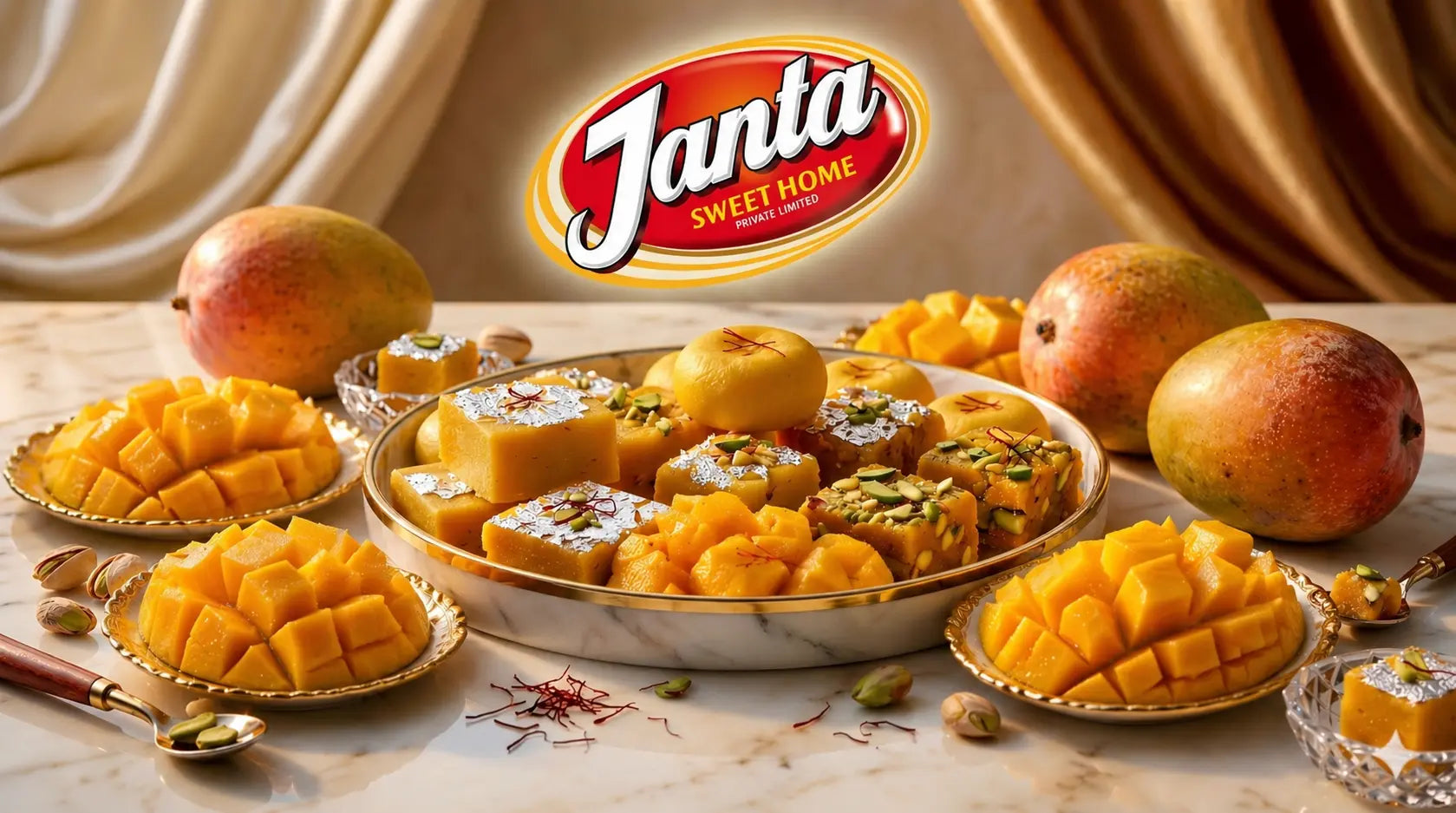
This deep-rooted love naturally extends into desserts. As temperatures rise, sweet shops across the country begin showcasing vibrant, golden-hued mango sweets that instantly capture attention. These mango sweets in India are not just desserts; they are a seasonal celebration. Known widely as aam mithai, these treats combine the richness of traditional Indian sweets with the refreshing, tropical flavour of mangoes.
Unlike many global desserts that use mango as a complementary ingredient, Indian mithai embraces it fully, transforming classic recipes into irresistible summer delights. Whether it’s a creamy barfi or a syrupy indulgence, summer Indian sweets infused with mango offer a perfect blend of nostalgia and innovation.
The Rise of Mango in Indian Mithai
Indian mithai has always been rooted in tradition, but it has also evolved beautifully with time. Over the years, sweet shops have experimented with flavours, textures, and ingredients to keep up with changing tastes. Mango, with its naturally sweet and aromatic profile, has emerged as a favourite addition to this evolution.
Traditionally, sweets like peda, barfi, and ladoo were made using milk solids, sugar, and nuts. Today, these classics are being reinvented with mango pulp, creating a fusion that appeals to both traditional and modern palates. Regional influences have also played a role in West Bengal’s love for fruit-based sweets, which led to mango sandesh, while Rajasthan’s iconic ghewar has found a new identity with mango toppings.
The rise of social media has further fueled the popularity of mango mithai. Bright yellow sweets, beautifully garnished and packaged, are highly “Instagram-worthy,” making them a hit among younger audiences. At the same time, the gifting culture in India has expanded, with consumers seeking unique, seasonal options. Mango sweets fit perfectly into this trend, offering exclusivity and freshness.
Popular Mango Sweets in India
Aam Barfi (Mango Barfi)
Aam Barfi is one of the most loved mango sweets in India. Made using rich khoya (milk solids), fresh mango pulp, and sugar, this dessert has a soft, melt-in-the-mouth texture that appeals to all age groups.
The sweetness of mango reduces the need for excessive sugar, making it a balanced indulgence. Often garnished with pistachios or silver leaf (varq), aam barfi looks as delightful as it tastes. Different regions add their own twist; some prefer a denser texture, while others make it softer and creamier.
Its elegant appearance and universal appeal make it a popular choice for gifting, especially during summer celebrations and festivals.
Mango Ghewar
Ghewar, a traditional Rajasthani sweet, gets a refreshing makeover with mango. Known for its honeycomb-like texture, ghewar is typically soaked in sugar syrup and topped with rabri. The addition of mango pulp or mango-flavoured rabri elevates this dessert to a whole new level.
Mango ghewar beautifully combines the richness of traditional mithai with the freshness of seasonal fruit. It is especially popular during festivals like Teej and Raksha Bandhan, which often coincide with the mango season.
Its visual appeal, bright mango layers over a delicate, crispy base, makes it a standout dessert, perfect for festive tables and social media feeds alike.
Mango Ladoo
Simple yet indulgent, mango ladoo is a versatile sweet that can be enjoyed in many forms. Made using ingredients like coconut, condensed milk, or khoya combined with mango pulp, these bite-sized treats are both convenient and delicious.
One of the biggest advantages of mango ladoo is its adaptability. It can be made at home with minimal ingredients or crafted into premium versions by sweet makers using dry fruits and exotic flavours. Coconut mango ladoos, for instance, are particularly popular for their tropical taste and chewy texture.
These ladoos are ideal for small gatherings, festive occasions, or even as everyday treats during the mango season.
Other Trending Mango Mithai
Beyond the classics, several innovative mango sweets are gaining popularity across India:
-
Mango Kalakand: A grainy, milk-based sweet infused with mango pulp for a rich flavour.
-
Mango Sandesh: A Bengali delicacy that combines paneer with mango for a light, refreshing dessert.
-
Mango Rasgulla: Soft, spongy rasgullas soaked in mango-flavoured syrup.
-
Mango Modak: A festive favourite, especially during Ganesh Chaturthi, with a fruity twist.
These variations showcase the versatility of mango and how it can transform traditional recipes into modern delights.
Why Mango Elevates Mithai
Flavour Profile
Mangoes bring a natural sweetness that enhances desserts without overpowering them. Their rich, tropical flavour adds depth and complexity, making each bite more satisfying. This allows sweet makers to create desserts that are indulgent yet balanced.
Texture & Versatility
The smooth consistency of mango pulp blends seamlessly with dairy-based ingredients like khoya, paneer, and condensed milk. This makes it suitable for a wide range of sweets from dry barfis to syrupy desserts like rasgullas.
Visual Appeal
One of the most striking features of mango sweets is their vibrant colour. The golden-yellow hue instantly makes desserts look more appetising and premium. In a market where presentation plays a crucial role, mango mithai stands out effortlessly.
Emotional & Seasonal Connect
Mangoes are deeply tied to Indian summers, evoking feelings of nostalgia and joy. Because they are seasonal, mango sweets carry a sense of exclusivity. This emotional connection makes them more than just desserts; they become more than just experiences.
Seasonal & Premium Appeal of Mango Sweets
Limited-Time Exclusivity
Mango sweets are primarily available during the summer months, from April to July. This limited availability creates a sense of urgency among consumers, encouraging them to indulge while the season lasts.
Premium Ingredient Positioning
High-quality mango sweets often use premium varieties like Alphonso or Kesar mangoes. These varieties are known for their sweetness, aroma, and rich flavour, which significantly enhance the quality of the mithai.
As a result, mango sweets are often positioned as premium products, with slightly higher pricing that reflects their superior ingredients and craftsmanship.
Gifting Trend
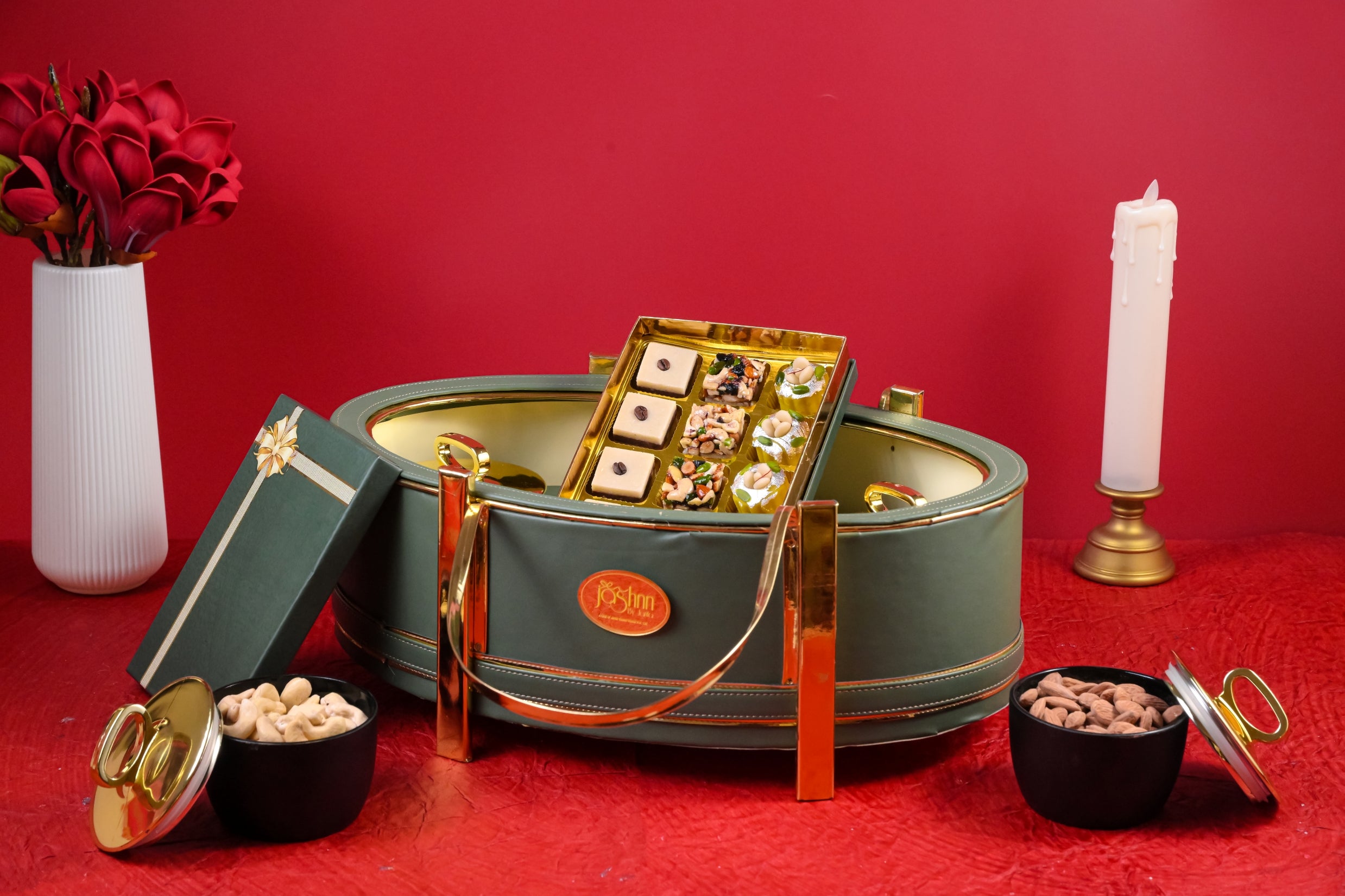
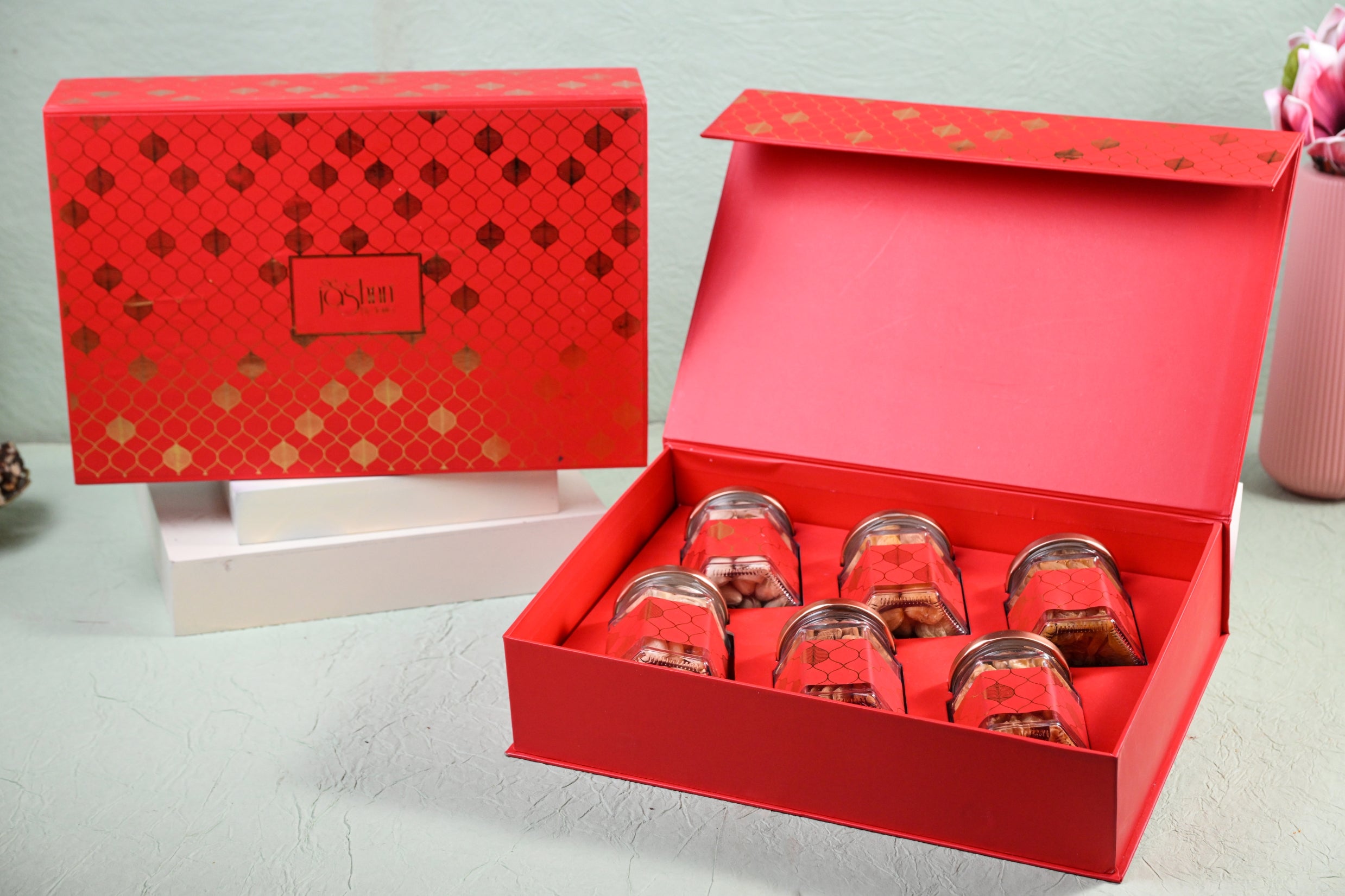
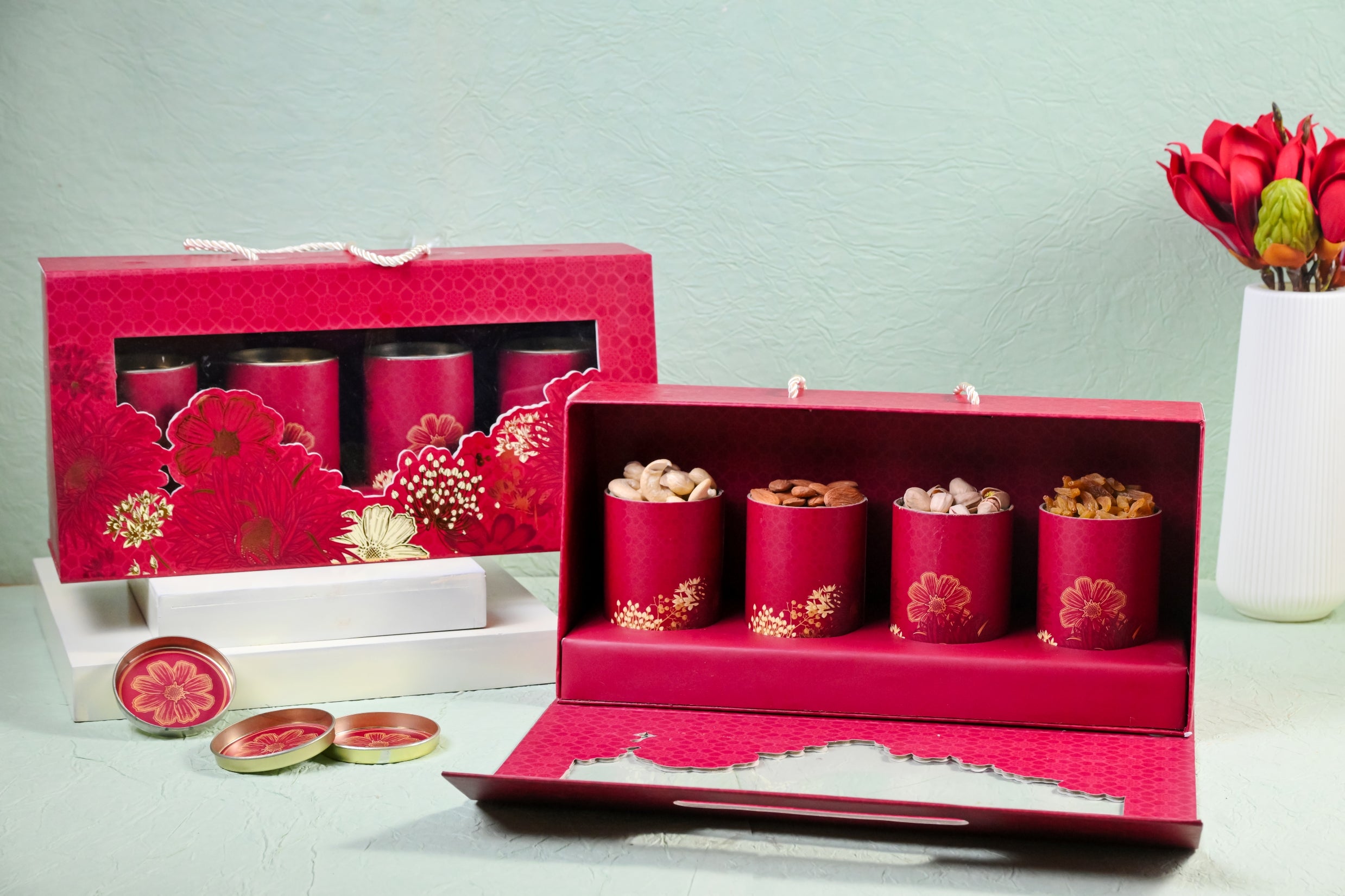
In recent years, mango sweets have become a popular choice for gifting. Beautifully curated hampers featuring a variety of mango mithai are ideal for festivals, weddings, and corporate gifting.
Modern packaging, ranging from eco-friendly boxes to luxurious designer cases, adds to their appeal. The combination of taste, presentation, and seasonality makes mango hampers a thoughtful and impressive gift.
Mango Sweets in Modern Indian Gifting Culture
The concept of gifting in India has evolved significantly, with consumers looking for unique and personalised options. Mango sweets perfectly align with this shift. They offer something different from traditional year-round mithai, making them more special and memorable.
Online sweet delivery platforms have made it easier than ever to send mango hampers across cities. Customisation options, such as selecting specific sweets or adding personalised messages, further enhance the gifting experience.
Younger consumers, in particular, are drawn to these modern offerings. For them, mango sweets are not just about taste; they represent style, thoughtfulness, and seasonal indulgence.
Here’s a clean comparison table you can directly use:
|
Aspect |
Mango Sweets (Aam Mithai) |
Traditional Mithai |
|
Key Ingredient |
Made using fresh mango pulp (often from varieties like Alphonso or Kesar) along with milk, sugar, or khoya |
Primarily made from milk, khoya, sugar, gram flour, nuts, and ghee |
|
Flavor Profile |
Fruity, tropical, refreshing, and naturally sweet with a tangy twist |
Rich, creamy, sweet, and often enhanced with cardamom, saffron, or rose |
|
Seasonality |
Highly seasonal & mostly available during summer (April–July) when mangoes are in peak season |
Available throughout the year, especially during festivals and celebrations |
|
Variety |
Includes mango barfi, mango ladoo, mango rasgulla, mango sandesh, mango shrikhand |
Includes gulab jamun, kaju katli, laddoos, barfi, peda, rasgulla, jalebi, etc. |
|
Texture |
Usually soft, juicy, and smooth due to mango pulp; often lighter in feel |
Varies widely—can be dense (barfi), syrupy (rasgulla), or crispy (jalebi) |
|
Nutritional Value |
Contains vitamins like Vitamin C and A from mangoes; relatively lighter depending on preparation |
Rich in calories due to ghee, sugar, and dry fruits; more indulgent and heavy |
|
Aroma & Appeal |
Fresh, fruity aroma that feels vibrant and summery |
Warm, rich aroma from ghee, cardamom, saffron, and roasted ingredients |
|
Cultural Significance |
Modern twist on classic sweets; popular in urban and experimental dessert trends |
Deeply rooted in Indian traditions, festivals, rituals, and celebrations |
|
Shelf Life |
Shorter shelf life due to fresh fruit content; best consumed quickly |
Longer shelf life, especially dry sweets like barfi and ladoo |
|
Occasions |
Ideal for summer parties, seasonal gifting, and refreshing desserts |
Perfect for festivals like Diwali, weddings, religious functions, and celebrations |
|
Innovation Factor |
High chefs constantly experiment with fusion desserts and modern presentations |
Moderate—traditional recipes remain largely unchanged, preserving authenticity |
|
Visual Appeal |
Bright yellow/orange hues make them visually attractive and Instagram-worthy |
Classic look with silver varq, nuts, and traditional presentation styles |
How to Choose the Best Mango Mithai
When selecting mango sweets, quality matters. Here are a few tips to ensure you get the best:
-
Check for real mango pulp: Authentic sweets use natural mango rather than artificial flavouring.
-
Look at freshness: Since mango sweets are seasonal, they should be consumed fresh.
-
Consider brand reputation: Trusted sweet makers are more likely to maintain quality and hygiene.
-
Evaluate packaging: Good packaging ensures freshness and makes the sweets suitable for gifting.
Explore Mango Hampers This Summer
As the mango season arrives in full swing, it brings with it a delightful opportunity to savour some of India’s most loved seasonal treats. Mango, often referred to as the “king of fruits,” holds a special place in Indian cuisine, and its transformation into delectable sweets makes the season even more exciting. Whether you are celebrating a festival, hosting a gathering, or simply indulging your sweet tooth, mango mithai offers a perfect blend of tradition, flavour, and freshness.
From the rich and creamy aam barfi to the soft and aromatic mango peda, each sweet captures the essence of ripe, juicy mangoes. These traditional delicacies are crafted using time-honoured recipes, often enhanced with ingredients like khoya, saffron, and dry fruits, creating a luxurious taste experience. In recent years, confectioners have also introduced innovative fusion desserts such as mango cheesecakes, chocolate-coated mango bites, and mango-flavoured laddoos, adding a modern twist to classic favourites.
What makes mango sweets even more special is their seasonal exclusivity. Available primarily during the summer months, they carry the freshness and natural sweetness of freshly harvested mangoes. Popular varieties like Alphonso and Kesar are often used, known for their rich pulp, vibrant colour, and irresistible aroma. This ensures that every bite is packed with authentic flavour and indulgence.
For those looking to elevate their gifting game, curated mango hampers have become an increasingly popular choice. These thoughtfully assembled boxes often include an assortment of premium mango sweets, dried mango treats, and sometimes even fresh mangoes. They make for elegant and memorable gifts, perfect for festivals, corporate occasions, or personal celebrations. Not only do they reflect seasonal charm, but they also showcase a sense of sophistication and care.
As the season is short-lived, now is the perfect time to explore and enjoy these delightful creations. Whether you choose to treat yourself or surprise your loved ones, mango mithai is a celebration of flavour that shouldn’t be missed. Embrace the magic of mango season and indulge in these irresistible sweets before they disappear for the year.
Frequently Asked Questions – FAQs
1. What are the most popular mango sweets in India?
India’s love for mango-based desserts shines through classics like aam barfi, mango ghewar, mango ladoo, mango sandesh, and mango rasgulla. These sweets combine traditional recipes with the rich, tropical flavour of mango, making them a seasonal favourite across the country.
2. Are mango sweets available year-round?
Mango sweets are typically seasonal and widely available from April to July, during peak mango harvest. However, some premium sweet shops and online brands may offer them year-round using preserved pulp.
3. Which mango is best for mithai?
The most preferred varieties for mango sweets are Alphonso (Hapus) and Kesar mangoes. Their natural sweetness, smooth texture, and vibrant aroma enhance the taste and quality of mithai.
4. Are mango sweets good for gifting?
Absolutely! Mango sweets are perfect for gifting due to their seasonal exclusivity, rich flavour, and premium appeal. Their bright colour and unique taste make them ideal for festivals, celebrations, and summer hampers.


